A bootloop after update is one of the most disruptive issues across all types of devices—from smartphones and laptops to smart TVs and tablets. It occurs when your device gets stuck in a repeating cycle: it powers on, attempts to load the operating system (OS), crashes, restarts, and repeats the process endlessly, never reaching a usable home screen or desktop. This problem often arises after installing a major OS upgrade, security patch, or firmware update, even when the download appeared to complete successfully. For users relying on their devices for work, communication, or entertainment, resolving this bootloop quickly is critical, and most solutions don’t require specialized technical skills.
Immediate Pre-Repair Checks to Rule Out Trivial Issues
Before diving into complex fixes, start with simple, quick checks to eliminate non-update-related causes of bootloops, which can save you time and frustration. Many times, a bootloop has nothing to do with the update itself—instead, it stems from a loose component or temporary power glitch. For example, a smartphone with a dying battery might restart unexpectedly during an update, leading to a stuck cycle, or a USB drive left plugged in might interfere with a desktop’s boot process.
Inspect Physical Connections and Power
For smartphones with removable batteries (e.g., older Samsung Galaxy or LG G series), power off the device, pop out the battery for 30 seconds, reinsert it, and try turning the device on again. For non-removable models (like iPhones, Google Pixel, or OnePlus devices), perform a forced restart: hold the power and volume down buttons simultaneously for 10–15 seconds until the brand logo appears. For laptops, disconnect all external peripherals (USB drives, printers, monitors) and ensure the charging cable is securely connected. If the bootloop stops after these steps, the issue was a temporary power or connection error, not a failed update.
Verify Update File Integrity
Corrupted update files are a leading cause of bootloops after an update. If you downloaded the update over an unstable Wi-Fi signal, the file may have missing or damaged data that disrupts the installation. For Android devices, boot into recovery mode (press and hold power + volume up + home buttons during startup) and select the option to “Verify Update Package” to check for file integrity. For Windows laptops, open Command Prompt as an administrator and run the sfc /scannow command to scan and repair corrupted system files. For macOS, use Disk Utility to run First Aid on your startup disk to fix any errors that might have occurred during the update.
Core Fixes for Bootloops After an OS or Firmware Update
Once you’ve ruled out minor issues, focus on fixes tailored to resolve conflicts from incomplete or misconfigured updates. These steps work across most device types and are designed to address the root causes of update-related bootloops, such as incompatible drivers, leftover temporary files, or third-party app conflicts.
- Boot into Safe Mode to Isolate App Conflicts: Safe Mode loads only essential system software, disabling all third-party apps and drivers. For Android, hold the power button, long-press the “Power Off” option, and select “Safe Mode” when prompted. For Windows, press F8 during startup to access Advanced Boot Options and choose Safe Mode. If the bootloop stops in Safe Mode, a recently installed app or outdated driver is to blame—uninstall any apps added before the update, then restart normally to confirm the fix.
- Clear the System Cache Partition: Temporary update files stored in the system cache can become corrupted, leading to bootloops. Clearing this partition removes these files without deleting personal data. For Android, this is done via recovery mode (select “Wipe Cache Partition”). For Windows, use the Disk Cleanup tool to delete temporary system files, or for macOS, run
sudo purgein Terminal to clear cached data that may interfere with boot processes. - Reinstall the Update Manually: If the initial update file was corrupted, downloading and installing it again can resolve the issue. For smartphones, visit the manufacturer’s website to download the official firmware file for your exact device model, then follow the step-by-step guide to install it via recovery mode. For desktop OS, use the official OS media (e.g., Windows installation USB or macOS recovery drive) to perform a fresh update, ensuring the file is uncorrupted and matches your device’s specifications.
Advanced Solutions for Persistent Bootloops
If basic fixes don’t resolve the bootloop, the issue is likely a deeper system conflict that requires more targeted steps. These advanced solutions should be approached with care, as some can erase data if not executed properly.
Factory Reset as a Last Resort
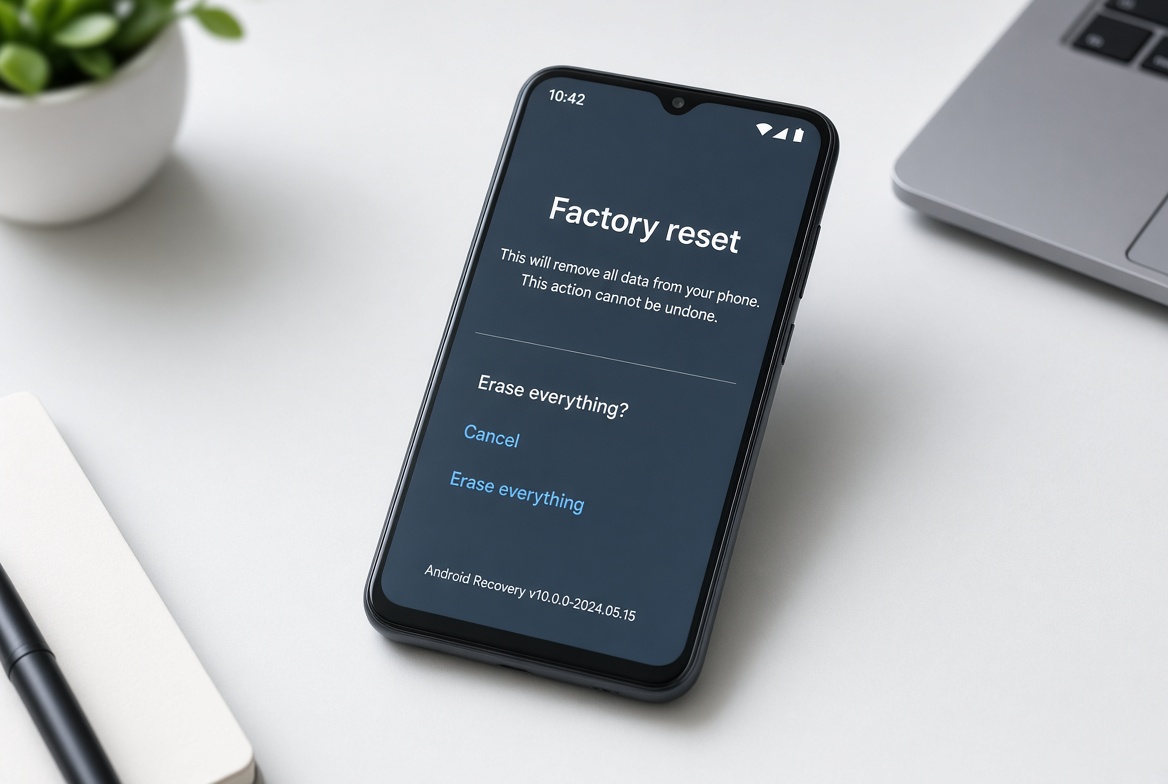
A factory reset restores your device to its original out-of-the-box settings, eliminating all leftover update conflicts, incompatible software, or misconfigured system files. Before proceeding, ensure you have a recent backup of your data—use cloud services like Google Drive or iCloud, or a local backup tool, to save photos, contacts, and app data. For Android, perform the reset via recovery mode (select “Wipe Data/Factory Reset”). For Windows, use the Recovery Environment to reset your PC, and for macOS, use the macOS Recovery to erase the startup disk and reinstall the OS. Note that this will erase all user data, so only do this if other fixes fail.
Re-Flash Firmware or BIOS for Hardware Devices
For desktop computers, laptops, or smart home devices (like smart TVs or speakers), a bootloop after a BIOS or firmware update may require re-flashing the firmware. This process involves downloading the official firmware file from the manufacturer’s support page, placing it on a formatted USB drive, and updating the device’s firmware via a recovery mode or dedicated tool. Follow the manufacturer’s instructions exactly—using the wrong firmware file can “brick” your device (render it unresponsive), so double-check that the file matches your exact model number and OS version.
Fixing a bootloop after an update requires a systematic approach: start with simple checks to rule out external factors, then move to targeted fixes like safe mode scans or cache wipes, and finally use advanced steps like factory resets or firmware re-flashing if needed. The key is to avoid skipping pre-repair steps, as many bootloops are caused by trivial issues rather than severe system damage. Always back up your data regularly to minimize the impact of such problems, and verify update files before installation to reduce the risk of corruption. By following these steps, most users can resolve their update-related bootloop without professional help, getting their devices back to working order in no time.
Everything above about “bootloop after update” is originally written by our editorial team. Reproduction is strictly prohibited.