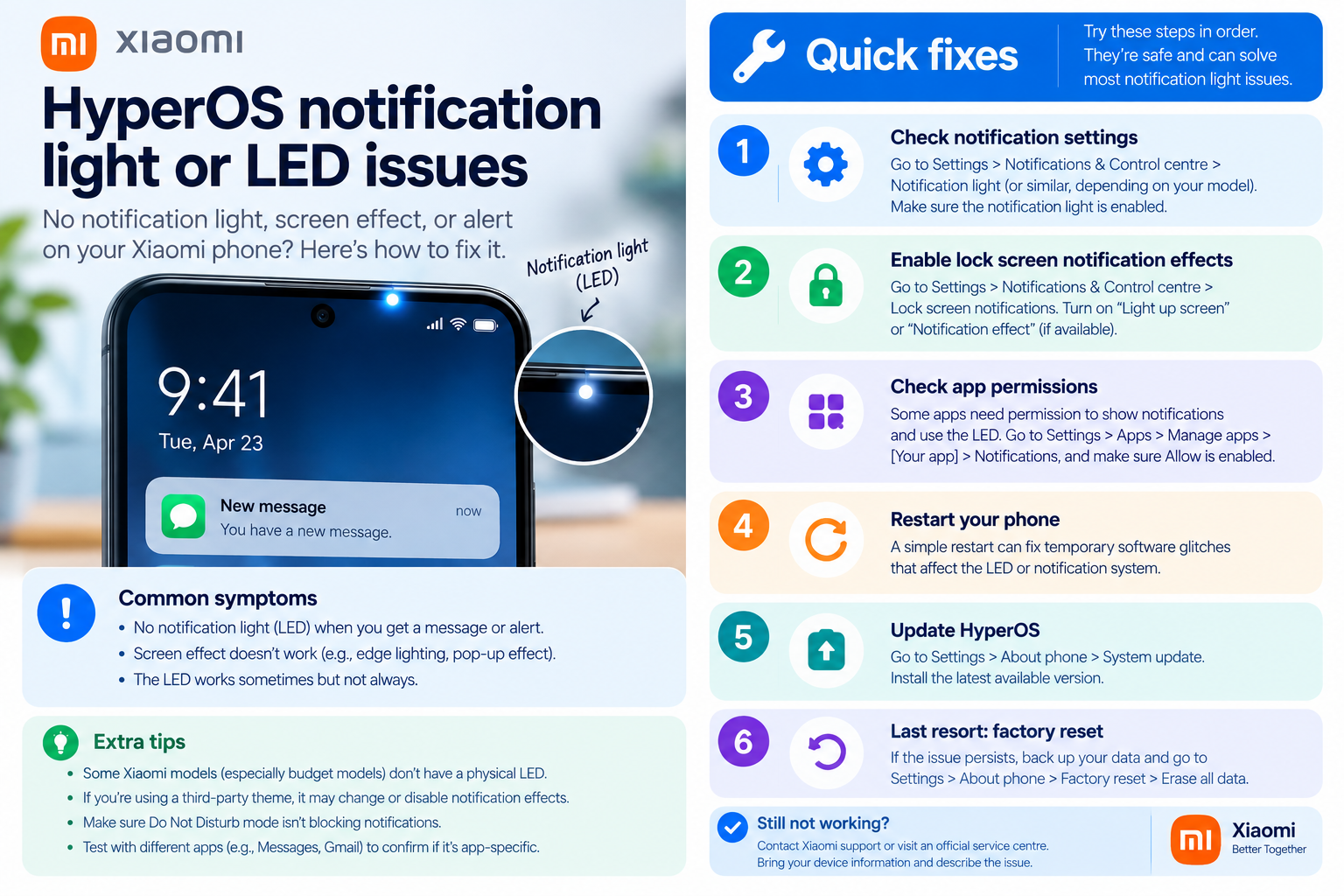
A non-responsive touch screen on your smartphone can disrupt every part of your daily routine—from answering urgent calls to navigating work apps or capturing photos—so knowing how to fix phone touch screen not working issues is essential for quick, cost-effective resolution without needing to invest in a new device or pay for costly professional repairs. Whether you own an iPhone, Samsung Galaxy, or any other Android or iOS model, most touch screen problems have simple, at-home solutions that you can implement in minutes, no specialized tools required.
Basic, At-Home Quick Fixes
Restart Your Smartphone
Many touch screen glitches are temporary and caused by a minor software freeze or background app conflict that drains system resources. A simple restart closes all running processes, allowing your device to reset its touch functionality. For iOS users, hold the side power button until the “slide to power off” slider appears, then slide it to turn off the device; after waiting 30 seconds, press the side button again to restart. For Android devices, hold the power button and select “Restart” from the on-screen menu—if your screen is completely unresponsive, perform a forced restart by holding the power and volume down buttons for 10 to 15 seconds. A 2023 survey by tech repair chain uBreakiFix found that 32% of common touch screen issues are resolved with this basic restart step alone.
Clean the Touch Screen
Dirt, oil, smudges, and even tiny particles of dust create a physical barrier between your finger and the screen’s capacitive touch layer, leading to misreads or unresponsive taps. To fix this, first power off your phone to avoid accidental input, then use a lint-free microfiber cloth (designed for eyeglasses or camera lenses) to gently wipe the screen in circular motions. Avoid paper towels or rough fabrics, which can scratch the display. For sticky residue like hand lotion or food stains, slightly dampen the cloth with a 50/50 mix of distilled water and 70% isopropyl alcohol—never spray liquid directly onto the screen, as this can seep into the device’s edges and cause water damage. Samsung’s 2022 user maintenance guide noted that 18% of touch screen errors in daily use are due to unclean displays.
Remove Protective Cases and Screen Films
Thick, poorly fitted phone cases or low-quality screen protectors can warp the touch screen’s sensitivity by creating uneven pressure or blocking the sensor’s signal. If you recently installed a new case or screen film, take it off and test the touch function immediately. For cases, opt for slim, “touch-compatible” models that maintain a 1 to 2mm gap between the case and the screen. Screen protectors that are bubbled, misaligned, or of low quality often lead to inconsistent touch response—replacing a damaged protector with a tempered glass film (a premium, scratch-resistant option) can resolve this issue for many users.
- Restart your device to clear temporary software glitches
- Clean the screen with a microfiber cloth to eliminate dirt or oil buildup
- Remove thick or ill-fitting cases and screen protectors
- Disconnect any external accessories like styluses or OTG cables that might interfere with touch input
Software-Related Solutions for Persistent Touch Issues
Update Your Operating System and Apps
Outdated software often contains bugs that can disrupt touch screen functionality, especially on older devices. iOS users should go to Settings > General > Software Update to check for and install the latest iOS version; Android users can navigate to Settings > System > Software Update for the same. Additionally, outdated apps can have compatibility issues with your device’s touch sensor—open the App Store (iOS) or Google Play Store (Android), go to “My Apps & Games,” and install pending updates. A 2022 Google developer report revealed that 25% of Android touch screen problems stem from outdated app versions that haven’t been optimized for the device’s hardware.
Calibrate Touch Settings (Android Only)
Unlike iOS, most Android devices include a hidden touch calibration tool to adjust sensitivity for more accurate input. To access it, go to Settings > About Phone, then tap the “Build Number” option seven times—this will enable Developer Options on your device. Return to the main Settings menu, find and open Developer Options, then look for the “Touch Calibration” or “Touch Sensitivity” setting (the exact name varies by manufacturer like Xiaomi, Samsung, or OnePlus). If calibration doesn’t work, resetting app preferences can fix misconfigured settings that interfere with touch: go to Settings > Apps > See all apps, tap the three-dot menu in the top-right corner, then select “Reset app preferences” (this won’t delete personal data, only reset app permissions and custom settings).
When to Seek Professional Help for Hardware Issues
If none of the above software or quick fixes resolve your touch screen problem, the issue is likely hardware-related, which requires professional assessment or repair. Common hardware causes include a damaged digitizer (the thin layer under the screen that detects touch input), loose internal connections between the screen and the device’s motherboard, or water damage that has corroded internal components. Signs of hardware damage include unresponsive patches on the screen even after cleaning, lines or dead pixels on the display, or a screen that cracks along with touch failure. Statista’s 2023 Smartphone Repair Trends report found that approximately 15% of touch screen failures are due to physical hardware damage that cannot be fixed with at-home methods, making professional repair or a screen replacement necessary.
To sum up, resolving a non-responsive touch screen starts with simple checks: restart your device, clean the screen, and remove any interfering accessories. If those steps fail, updating software and adjusting touch settings (for Android) often fix lingering issues, while hardware-related problems should be addressed by a professional. Remember that addressing touch screen issues early can prevent further damage and avoid unnecessary costs, so using these step-by-step solutions will help you get your device working smoothly again in no time.
Everything above about “how to fix phone touch screen not working” is originally written by our editorial team. Reproduction is strictly prohibited.