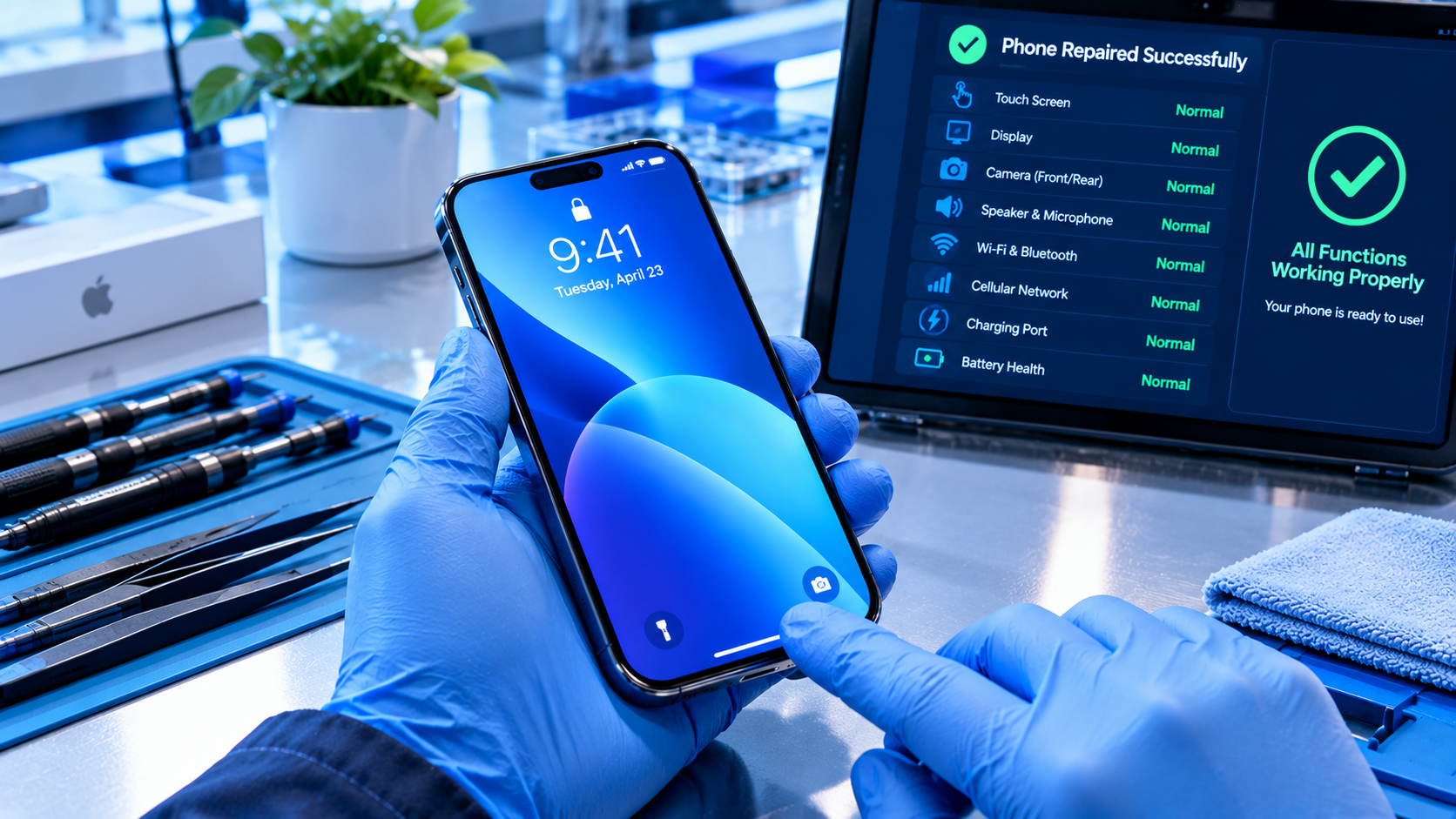
phone buttons not working how to fix is the central topic of this article, and the following content explains the key points, practical uses, and decisions around it.
If you’re struggling with unresponsive volume, power, or home buttons, learning how to fix phone buttons not working can save you from the cost of professional repairs or premature device replacement. Many phone users face this issue due to dirt accumulation, software glitches, or physical damage, and most problems can be resolved with simple, at-home solutions without needing to take your device to a technician. Whether you have an iOS or Android device, these step-by-step fixes cater to common button problems across all major smartphone brands, making it easy to troubleshoot without specialized tools.
Basic Immediate Troubleshooting for Unresponsive Buttons
Before jumping into advanced fixes, start with basic checks that often resolve minor button issues within minutes. These steps are free, require no technical knowledge, and work for both physical and on-screen buttons. For example, a user on a Reddit thread reported that their iPhone volume button stopped working, and a quick clean with isopropyl alcohol restored full functionality within hours.
Clean Button Crevices to Remove Dirt and Lint
The most common cause of non-working phone buttons is debris trapped in the gaps around the buttons. Over time, dust, pocket lint, and even food particles can build up, preventing the button from making contact with its internal switch. To clean safely: turn off your phone and remove any case or screen protector, as these can hide debris. Dip a lint-free microfiber cloth in 70% isopropyl alcohol (avoid higher concentrations, as they can damage adhesive or plastic), then gently rub the edges of each button. For hard-to-reach areas, use a can of compressed air held at a 45-degree angle to blow out debris—never use sharp objects like toothpicks, as they can scratch the phone’s frame or break the button mechanism.
Apply Gentle, Consistent Pressure to Stuck Buttons
Sometimes buttons get stuck due to minor misalignment from repeated use, rather than debris. For these cases, apply firm, steady pressure to each unresponsive button for 3 to 5 seconds, repeating this action 2 to 3 times. This pressure can dislodge any small particles that are blocking the button’s movement and reset its alignment. Avoid pressing too forcefully, as this can damage the internal switch that registers the button press, leading to more serious issues.
Software-Related Fixes for Button Malfunctions
If basic cleaning and pressure testing don’t resolve the issue, the problem is likely software-related. Modern smartphones rely on operating system (OS) code to manage button functionality, so glitches or outdated software can cause buttons to stop responding. A 2023 survey by RepairPal found that 32% of phone button issues reported to technicians were software-related, making this a critical step in troubleshooting.
Update Your Device’s Operating System
Outdated OS versions often contain bugs that interfere with button functionality. Manufacturers release regular updates to fix these issues, along with improving overall performance. For iOS devices: go to Settings > General > Software Update, then tap “Download and Install” if an update is available. For Android devices: the process varies slightly by brand, but typically involves Settings > System > Software Update. Installing the latest update can resolve compatibility issues that might be causing your buttons to act unresponsive. It’s recommended to connect your phone to Wi-Fi and charge it to at least 50% before installing any updates.
Disable Accessibility Settings That Conflict With Buttons
Accessibility features are designed to make phones easier to use, but some can interfere with physical or on-screen button operations. For example, iOS’s AssistiveTouch creates a floating on-screen menu that can sometimes override physical button presses, while Android’s Gesture Navigation relies on swipes instead of physical buttons, but misconfiguration can cause issues. To test this: for iOS, go to Settings > Accessibility > Touch > AssistiveTouch and toggle it off. For Android, navigate to Settings > Display > Navigation Bar and switch from gesture navigation to the three-button layout. If your buttons start working after disabling these features, you can adjust the settings later to find a balance between accessibility and button functionality.
Addressing Physical Damage to Phone Buttons
If basic and software fixes don’t work, the issue may stem from physical damage. This can occur from drops, spills, or heavy wear over time. Physical damage is less common than software issues, but it requires careful inspection to avoid making the problem worse.
Inspect for Visible or Loose Button Components
Turn off your phone and examine each button closely for signs of damage. Look for cracks in the button’s plastic surface, misalignment of the button with the phone’s frame, or any loose parts around the button area. For example, a power button that wiggles when pressed often indicates that the button’s internal connector has come loose. If you have a small Phillips screwdriver, you can carefully remove the phone’s back cover (check your device’s model for instructions) to inspect the internal wiring—but only do this if you’re comfortable with basic disassembly, as opening the phone can void your warranty if done incorrectly.
Know When to Seek Professional Repair
If you notice exposed internal components or the button still doesn’t work after gentle manipulation, it’s best to contact an authorized repair service. DIY repairs like soldering or replacing button parts can lead to further damage if you lack technical skills. According to Apple’s support page, for devices under warranty, repair services are often free or low-cost for hardware issues. For out-of-warranty phones, a professional button replacement typically costs between $50 and $150, depending on the brand and model—this is often cheaper than buying a new phone, making it a worthwhile investment.
Preventive Measures to Extend Button Lifespan
Once your phone buttons are working again, taking proactive steps can help avoid future issues. These simple habits reduce the risk of dirt buildup, physical damage, and software glitches that cause buttons to stop working.
- Use a case with precise button cutouts to prevent dirt and lint from getting trapped around the buttons, while still allowing easy access to press them.
- Clean the buttons monthly with a dry lint-free cloth to remove surface debris before it accumulates in the crevices between the button and phone frame.
- Avoid exposing your phone to moisture or extreme temperatures, as both can degrade internal button components over time. For example, leaving your phone in a hot car can cause plastic buttons to warp, leading to alignment issues.
- Avoid pressing buttons with sharp objects like pen tips or key tools, as this can scratch the button’s surface or damage the internal switch beneath it.
Fixing non-working phone buttons doesn’t have to be complicated. Start with simple cleaning and pressure testing for immediate relief, move on to checking software updates and accessibility settings for software-related issues, and inspect for physical damage if those steps fail. When in doubt, professional repair is a safe option to avoid further harm to your device. By following preventive measures, you can keep your phone buttons working smoothly for years to come, saving you time and money on costly replacements.
Everything above about “phone buttons not working how to fix” is originally written by our editorial team. Reproduction is strictly prohibited.