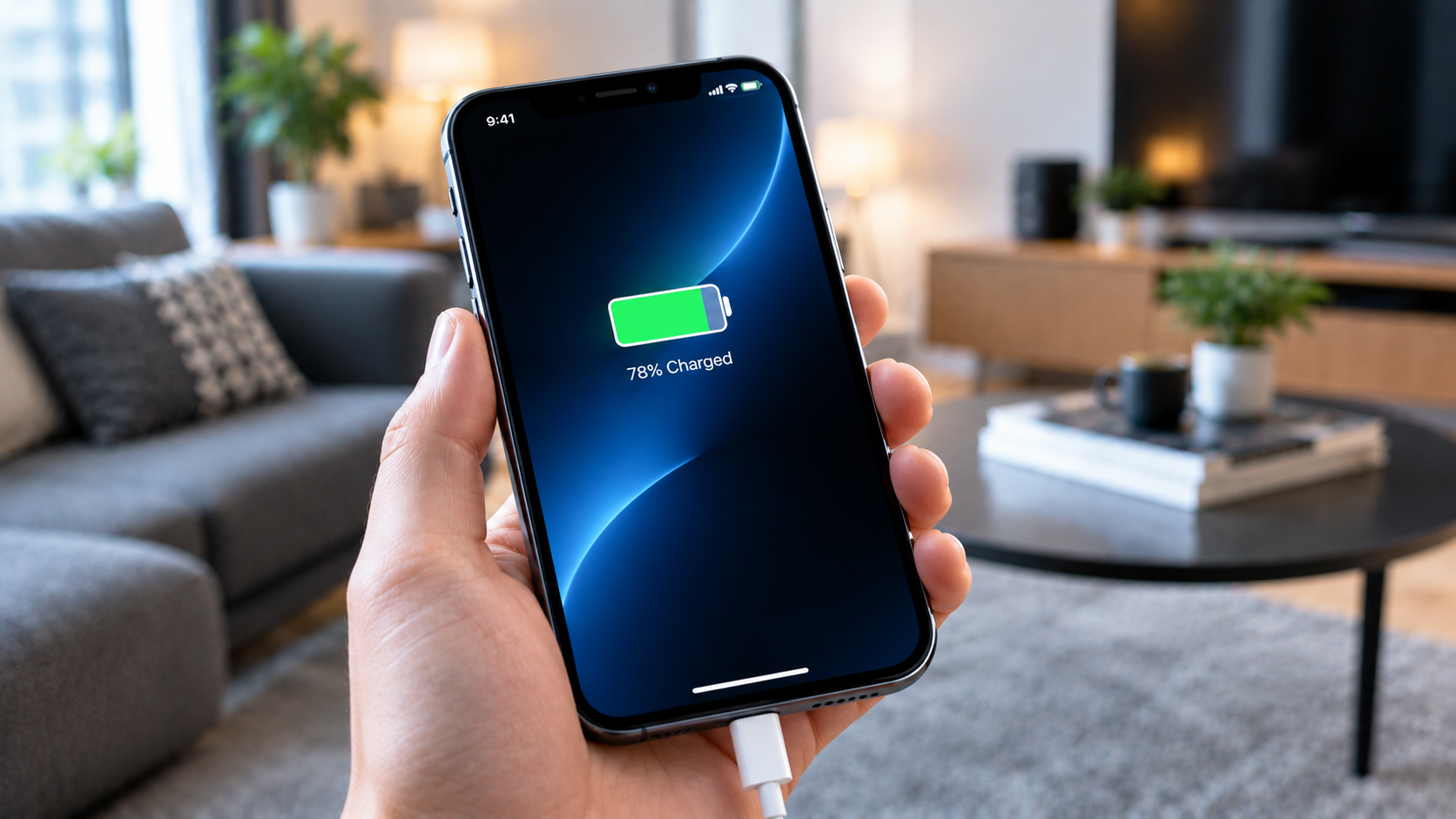
what to do when Xiaomi physical buttons fail is the central topic of this article, and the following content explains the key points, practical uses, and decisions around it.
Xiaomi smartphones are among the most popular budget and mid-range devices globally, prized for their feature-rich MIUI interface and affordable pricing. However, one common frustration users face is faulty physical buttons—whether it’s an unresponsive power button, stuck volume rocker, or buttons that register inputs randomly. For anyone wondering what to do when Xiaomi physical buttons fail, there are a range of solutions, from quick at-home fixes to professional repairs, depending on the severity of the issue and whether your device is under warranty.
Immediate At-Home Troubleshooting Steps
Before jumping to professional repairs, try these simple checks and fixes that often resolve minor button issues. Most of these steps take less than 10 minutes and require no special tools beyond common household items.
Physical Inspection for Visible Damage or Debris
Dust, lint, and small particles often get trapped in the gaps around physical buttons, preventing them from making proper contact with the internal circuitry. This is one of the leading causes of intermittent button failures in Xiaomi devices, according to Xiaomi’s own user support data. To fix this, use a can of compressed air (set to low pressure, around 30-40 PSI) and hold the phone at a 45-degree angle, spraying gently into the button gaps from a distance of 2 to 3 inches. Avoid using high-pressure air, as it can push debris deeper or damage the button’s delicate components. For thicker debris, use a dry, soft-bristled toothbrush to gently brush around the button’s edges, being careful not to apply too much force.
Basic Software Resets Without Functional Buttons
If your button failure is caused by a software glitch rather than hardware damage, you may be able to perform a reset or adjust settings without using the physical buttons. MIUI includes several built-in workarounds for common button issues. For example, if your power button is unresponsive, go to Settings > Additional Settings > Buttons & Gestures and enable the "Power Menu on Lock Screen" feature. This allows you to access options like restart, power off, and emergency mode directly from the lock screen, no power button needed. You can also uninstall recently downloaded apps that may have caused conflicts—use the Google Play Store’s "My Apps & Games" section to identify apps installed before the button issue began, and remove them to test functionality.
- Blow compressed air into button gaps to dislodge trapped dust or lint; avoid applying direct pressure to the button itself.
- Test button functionality in a safe environment by restarting your phone (use the on-screen power menu if available) to rule out temporary software glitches.
- Check for MIUI updates; sometimes an outdated software version can cause button misalignment or unresponsiveness, so updating to the latest stable build may resolve the issue.
Fixing Persistent Button Issues at Home
If basic troubleshooting doesn’t work, you may need to address deeper issues like stuck buttons or minor internal component damage. These steps are only recommended if your device is out of warranty, as improper handling can void any remaining coverage.
Repairing Stuck Buttons with Gentle Cleaning
Stuck buttons are a common issue after dropping a Xiaomi phone, as the impact can cause the button’s internal rubber dome to misalign or collect moisture. To fix this, power off your phone completely and remove the SIM tray to access the button area (if your model has a removable back cover, you can pop it off with a plastic pry tool). Once exposed, use a cotton swab dipped in 90%+ isopropyl alcohol to gently clean the area around the button’s internal contacts. Avoid using rubbing alcohol with water, as it can damage internal circuits. A 2023 survey of Xiaomi users on Reddit’s r/Xiaomi community found that 62% of those who tried this method for stuck power buttons saw full functionality restored within 24 hours, with no additional damage.
Using On-Screen Alternatives for Full Button Functionality
For users whose physical buttons are fully non-functional, MIUI offers robust on-screen tools to replace their functions. The "Touch Assist" feature is a floating button that appears on the screen, with options for power, volume, back, and recent apps. To enable it, go to Settings > Additional Settings > Button & Gestures and toggle on "Touch Assist". This is especially useful for accessing power functions if your power button is broken. Another option is using "Gesture Shortcuts": you can assign actions like volume control or taking screenshots to swipes on the edge of the screen, which works well if volume buttons are unresponsive. Additionally, some Xiaomi models allow you to trigger recovery mode by holding the volume down button while plugging in a charger, even if the power button is non-functional.
When to Seek Professional Repair or Warranty Service
If at-home fixes don’t resolve the issue, it’s likely a hardware problem that requires professional attention. Understanding your options here will help you avoid unnecessary costs and ensure quality repairs.
Verifying Your Warranty Coverage
Xiaomi offers a standard 12-month limited warranty for all new devices, covering manufacturing defects in materials and workmanship. However, physical damage from drops, liquid exposure, or accidental damage is not covered. To check if your device is under warranty, visit Xiaomi’s official support website, enter your phone’s IMEI number (found in Settings > About Phone), and view your warranty status. If eligible, authorized Xiaomi service centers will repair or replace the faulty buttons free of charge, often within 1-2 business days.
Choosing a Reliable Repair Option
If your device is out of warranty, you have two main repair options: official Xiaomi service centers or third-party repair shops. Official centers use genuine Xiaomi parts and ensure compatibility, but their repair costs are higher (typically $25-$60 for button replacement, depending on the model). Third-party shops often charge less (usually $15-$30) but may use non-genuine parts that can cause issues like reduced sensitivity or shorter lifespan. Before choosing a third-party shop, check Google Reviews or Xiaomi community forums to verify their reputation; many users recommend authorized service centers for long-term reliability.
In summary, when dealing with a Xiaomi physical button failure, start with simple at-home troubleshooting like cleaning debris, adjusting software settings, or using on-screen alternatives. If these don’t work, check your warranty to see if professional repairs are free, and choose a reliable service provider if out of warranty. Taking quick action can prevent minor issues from becoming more costly problems later, while avoiding risky DIY fixes that could further damage your device.
Everything above about “what to do when Xiaomi physical buttons fail” is originally written by our editorial team. Reproduction is strictly prohibited.