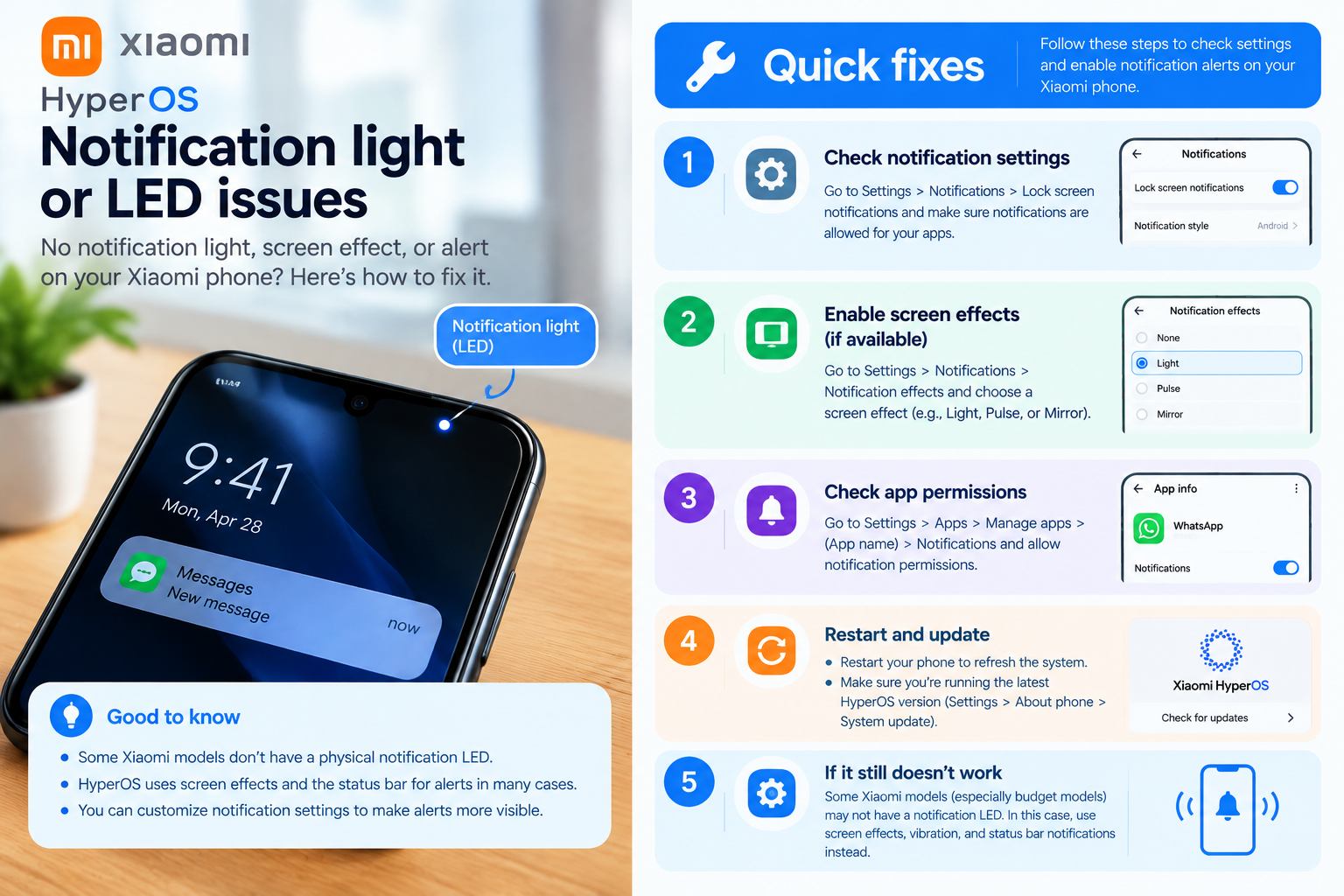
phone calendar notifications not showing how to fix is the central topic of this article, and the following content explains the key points, practical uses, and decisions around it.
If you’re one of the millions of smartphone users relying on calendar apps (Google Calendar, Apple Calendar, or Samsung Calendar) to track meetings, birthdays, and critical events, there’s nothing more disruptive than when phone calendar notifications not showing how to fix becomes an urgent question—especially when you miss a work presentation, a family dinner, or a doctor’s appointment. Whether you use an Android or iOS device, this common issue can stem from a range of settings, app glitches, or system permissions, and resolving it requires step-by-step troubleshooting to get your alerts working again without losing any of your important scheduled events.
Check Core Notification Settings on Your Device
The most common causes of missing calendar notifications lie in basic device settings that users often overlook, especially after software updates or focus mode changes. Many times, notifications are accidentally disabled for the calendar app, or a silent mode is active that suppresses all alerts unless explicitly allowed. Before diving into more complex fixes, start with these foundational checks to rule out simple errors.
Verify Calendar App Notification Permissions
For Android users, navigate to Settings > Apps & notifications > See all apps, then select your default calendar app (e.g., Google Calendar). Tap Notifications to ensure all relevant toggles—including “Event Reminders,” “All-Day Events,” and “Birthday Notifications”—are switched on. On iOS, go to Settings > Notifications > Calendar, and confirm that “Allow Notifications” is toggled on. You should also set the Alert Style to “Banners” or “Alerts” rather than “None,” and ensure “Sounds” and “Badges” are enabled to receive both audible and visual alerts.
Disable Do Not Disturb or Focus Modes
Do Not Disturb (DND) on Android and Focus modes on iOS are designed to block non-essential notifications, but they can inadvertently mute calendar alerts. To check, swipe down from the top of your screen to open the Quick Settings panel and look for the DND or Focus icon—if it’s highlighted, tap it to turn it off temporarily, then test a calendar event to see if notifications return. For a more permanent fix, go to your device’s Settings, select DND (Android) or Focus (iOS), and add your calendar app to the “Allowed Notifications” list so alerts come through even when the mode is active.
- Ensure “Time Sensitive Notifications” are enabled for Calendar in iOS Focus settings to bypass quiet modes and receive urgent alerts immediately.
- On Android, confirm that calendar notifications are not marked as “Silent” in the app’s notification channel settings, which can be found under Settings > Apps > [Calendar App] > Notifications > App notifications.
- For Samsung devices, check the “App notifications” section to ensure Calendar isn’t set to “Block all,” which would prevent any alerts from appearing.
Fix Calendar App-Specific Glitches
If adjusting device settings doesn’t resolve the issue, the problem may be isolated to the calendar app itself. Corrupted cached data, outdated software, or broken app installations can all interfere with notification delivery, even when system settings are configured correctly. These app-focused fixes target issues unique to your calendar application rather than global device settings.
Clear App Cache and Data (Android)
Cached files are temporary data that apps use to run smoothly, but over time, they can become corrupted, leading to notification errors. For Android, you can clear the cache without losing any personal events: go to Settings > Apps > [Your Calendar App] > Storage, then tap “Clear Cache.” If this doesn’t work, you can clear the app data, but note that this will remove all local events stored on your device—so ensure your events are synced to your Google or Samsung cloud account before proceeding. Clear data will reset the app to its original state, often resolving hidden bugs.
Update or Reinstall the Calendar App
Outdated calendar apps frequently contain bugs that prevent notifications from triggering, especially after OS updates. For iOS, open the App Store, tap your profile icon, and scroll to the “Pending Updates” section to check for calendar app updates. For Android, open the Google Play Store, search for your calendar app, and tap “Update” if available. If updating doesn’t work, uninstall the app (long press the app icon and select “Uninstall” on Android, or delete it from iOS Settings) and reinstall it. Always confirm that your cloud account is linked after reinstalling to avoid losing events.
Another common app-specific fix is to ensure calendar sync is enabled. For Google Calendar, open the app, tap the hamburger menu (three lines in the top-left corner), go to Settings > Sync, and toggle on “Sync” to ensure events are backed up and notifications are pushed to your device. For iOS, go to Settings > Calendar > Accounts, and make sure your iCloud or Google account is toggled on to sync all events.
Resolve Sync and Date/Time Misalignment
Calendar notifications rely on accurate time and sync between your device and cloud services, so small misalignments can cause alerts to fail or appear too late. For example, if your device’s time zone is incorrect, a morning meeting might be scheduled in local time but your device is set to a different time zone, leading you to miss the notification entirely. These fixes address issues related to sync and time settings that are easy to overlook.
Adjust Date and Time Settings
Incorrect date or time settings are a top cause of missing calendar notifications, especially when traveling or after a manual time change. On iOS, go to Settings > General > Date & Time, and ensure “Set Automatically” is toggled on to sync your time with your network. On Android, the same path is Settings > System > Date & Time, where you should enable “Use network-provided time” and “Use network-provided time zone” to avoid manual adjustments. If you’re in a different time zone, this automatic setting will ensure your events are scheduled correctly, and notifications will trigger on time.
Force Sync Your Calendar Account
Occasionally, your device may lose connection to your cloud calendar account, meaning new events or reminder settings won’t sync to your device. To force a sync on Google Calendar, open the app, tap the hamburger menu, and select “Settings” > “Sync,” then tap “Sync Now” to pull all updated events to your device. For iOS, go to Settings > Calendar > Sync, and choose a longer sync period (e.g., “1 Year Back”) instead of “1 Month Back” to ensure recent events are included. If sync still fails, toggle your account off and on in the Accounts section to reset the connection, which often resolves sync errors.
Advanced Troubleshooting for Stubborn Notifications
If none of the basic or app-specific fixes work, you may need to dig into more advanced system settings to identify the root cause. These steps are for users comfortable with tweaking device settings and should only be used after trying all prior fixes, as they can affect other app functionality if done incorrectly.
First, check for operating system updates. Both Android and iOS release updates that fix bugs related to notifications and app compatibility. For iOS, go to Settings > General > Software Update, and install any available updates. For Android, go to Settings > System > Software Update, and install the latest OS version, which may patch issues that are causing calendar notifications to fail. If updates don’t help, you can reset app preferences (Android only): go to Settings > Apps > See all apps > Reset options > Reset app preferences. This resets notification permissions, default apps, and other settings to their original state, without deleting personal data like photos or events. Finally, double-check individual events: open the event in your calendar app, tap “Edit,” and ensure “Reminder” is set to at least 1 minute before the event and the “Notify me” toggle is on—sometimes users disable reminders for specific events, leading to missing alerts even when global settings are correct.
Missing calendar notifications can be frustrating, but in most cases, they’re resolved with simple fixes: checking permissions and focus modes, clearing app cache, syncing your account, and updating your apps. Always back up your calendar events to a cloud service before making changes like clearing app data or resetting settings, to avoid losing important events. If all troubleshooting steps fail, reaching out to your device’s support team (Apple Support or Google Support) or your calendar app’s customer service can help identify rare hardware or account-related issues that may be causing the problem. By following these steps, you’ll be able to restore your calendar notifications and stay on top of your schedule.
Everything above about “phone calendar notifications not showing how to fix” is originally written by our editorial team. Reproduction is strictly prohibited.