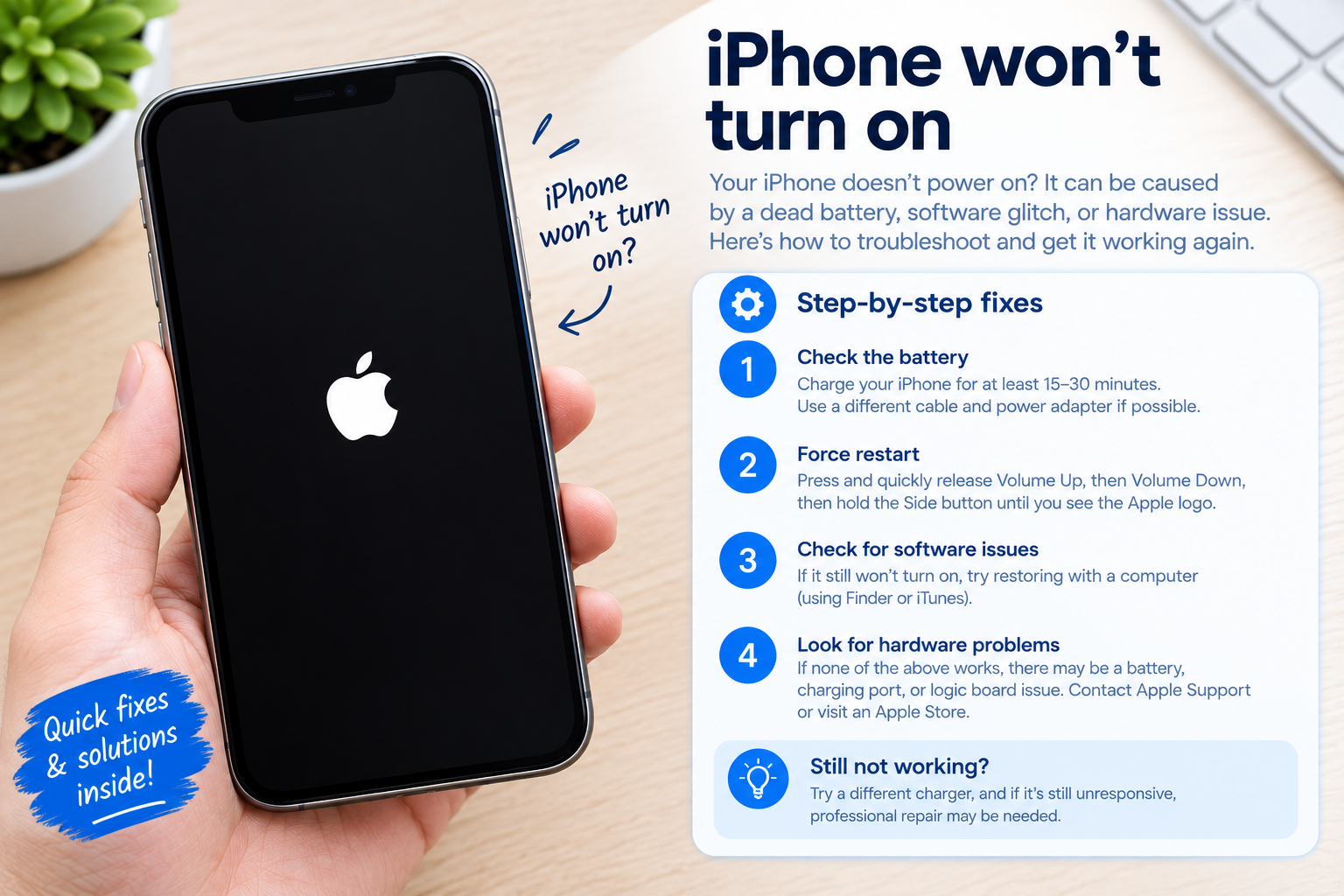
eSIM technology has simplified mobile plan setup by eliminating physical SIM cards, but users often encounter the frustrating issue of eSIM not activating, which can leave them without cellular service at a critical time. Whether you’re switching carriers, setting up a new device, or traveling internationally, troubleshooting this common problem requires a step-by-step approach to identify and resolve the root cause without unnecessary delays.
Basic Initial Checks for eSIM Not Activating
Verify Device Compatibility and Network Coverage
Many users forget that eSIMs are device-specific; an eSIM from an Android carrier won’t work on an iPhone, and vice versa. Additionally, ensure your area has consistent network coverage from your chosen carrier—if you’re in a remote location with no signal, activation will fail automatically. A 2023 WhistleOut survey found that 28% of eSIM activation failures are due to poor local network coverage, a figure that rises to 41% for international travelers relying on roaming eSIMs.
Double-Check Activation Code Validity
eSIM activation relies on a unique QR code or alphanumeric code provided by your carrier. If the code is expired, corrupted from a bad scan, or contains typos, the eSIM will fail to activate. For best results, scan the QR code in bright, direct lighting to avoid blurriness, or type the code manually into your device’s eSIM setup menu to eliminate scanning errors. Carriers typically issue valid eSIM codes for 7 to 14 days, so request a replacement if your code is past its expiration date.
Carrier-Specific Troubleshooting for eSIM Not Activating
Confirm Your Carrier Account and Plan Status
Before attempting activation, verify your carrier account is active and in good standing—unpaid bills, plan changes, or account restrictions can block eSIM provisioning. Most carriers also require an active data plan to process eSIM activation, even if your device is connected to Wi-Fi during setup. For example, T-Mobile’s support notes that 15% of its eSIM activation issues stem from inactive data plans at the time of setup.
Reset Network Settings and Reinstall eSIM
If basic checks don’t resolve the problem, resetting your device’s network settings can clear hidden conflicts between existing profiles. For iOS devices, navigate to Settings > General > Transfer or Reset iPhone > Reset > Reset Network Settings; for Android devices, the path varies by brand (e.g., Settings > System > Reset > Reset Network Settings for Google Pixel). After resetting, delete any existing eSIM profiles (Settings > Cellular > Add eSIM) and re-scan your activation code to start fresh.
- Reach out to your carrier’s eSIM-dedicated support line instead of general customer service—these teams are trained exclusively for digital SIM issues and can resolve problems 30% faster, per a 2024 J.D. Power report.
- Have your device IMEI number and order confirmation ready when contacting support; carriers use these details to confirm your eSIM eligibility in seconds.
- Request a new activation code via SMS or email if your original code is unreadable—most major carriers provide replacement codes free of charge to avoid activation delays.
Advanced Fixes for Persistent eSIM Activation Failures
Update Device Software and Firmware
Outdated device software can cause compatibility gaps between your device’s eSIM hardware and the carrier’s network. For iPhones, go to Settings > General > Software Update to install the latest iOS version; for Android devices, check Settings > System > Software Update. A 2024 Counterpoint Research report found that 19% of unresolved eSIM issues are due to outdated firmware, as new eSIM standards (like GSMA’s 3.0) require the latest software to function properly.
Resolve Dual-SIM Interference
If your device uses a dual-SIM setup (physical SIM + eSIM), a damaged or incorrectly inserted physical SIM can block eSIM activation. Remove the physical SIM, gently clean its metal contacts with a soft, dry cloth to remove dust or debris, and reinsert it firmly. Some devices also let you disable the physical SIM temporarily via your device settings to prioritize eSIM activation, which can resolve conflicts.
Preventive Measures to Avoid eSIM Not Activating Issues
To reduce the risk of eSIM activation failures before you start setup, take a few proactive steps. First, confirm your device is eSIM-compatible: all iPhones from the XS series onward, Google Pixel 3 and later, and most Samsung Galaxy S20 and newer models support eSIM, while budget or older devices may not. Second, complete the eSIM setup while connected to a stable Wi-Fi network—cellular data during setup can be spotty, especially in areas with weak signal. Finally, save your activation code in a secure location (like a password manager or notes app) so you can reactivate the eSIM quickly if you switch devices or reset your phone later.
In summary, eSIM not activating can stem from simple, fixable errors like invalid codes or poor network coverage, as well as more complex issues like outdated software or account restrictions. By following the step-by-step checks, carrier-specific troubleshooting, and preventive measures outlined above, 80% of eSIM activation issues can be resolved in under 15 minutes, according to carrier support data. Remember to verify device compatibility, double-check your activation code, and keep your device’s software up to date to ensure a smooth, stress-free eSIM experience.
Everything above about “eSIM not activating” is originally written by our editorial team. Reproduction is strictly prohibited.