
If you’ve ever found yourself stuck mid-task, muttering commands at your phone only to hear nothing in return, you know how frustrating a Google Assistant not responding can be. This common issue affects millions of Android, iOS, and smart home device users, disrupting everything from setting alarms to controlling connected appliances. Whether the problem is a minor glitch or a deeper settings conflict, there are actionable fixes you can try to get your virtual helper back working smoothly.
Basic Quick Fixes for Google Assistant Not Responding
Many cases of unresponsive Google Assistant can be resolved with simple, immediate checks that require no advanced technical skills. These steps address the most common, easy-to-fix causes of the issue.
Check Your Internet Connection
Google Assistant relies on a stable internet connection to process voice commands and retrieve data. If you’re using mobile data, ensure your signal strength is at least 3 bars for reliable connectivity; for Wi-Fi, confirm you’re not on a restricted network (like a public café network with a login portal that blocks Google’s servers). A quick test: open a browser and navigate to google.com to verify you can load external content without issues.
Inspect Microphone Permissions
A frequently overlooked cause of Google Assistant not responding is disabled microphone access. On Android, go to Settings > Apps > Google Assistant > Permissions and toggle on the Microphone option. For iOS, navigate to Settings > Google Assistant > Microphone and enable the permission. Without these settings, the app cannot detect your voice commands at all, leading to unresponsiveness.
Restart Your Device
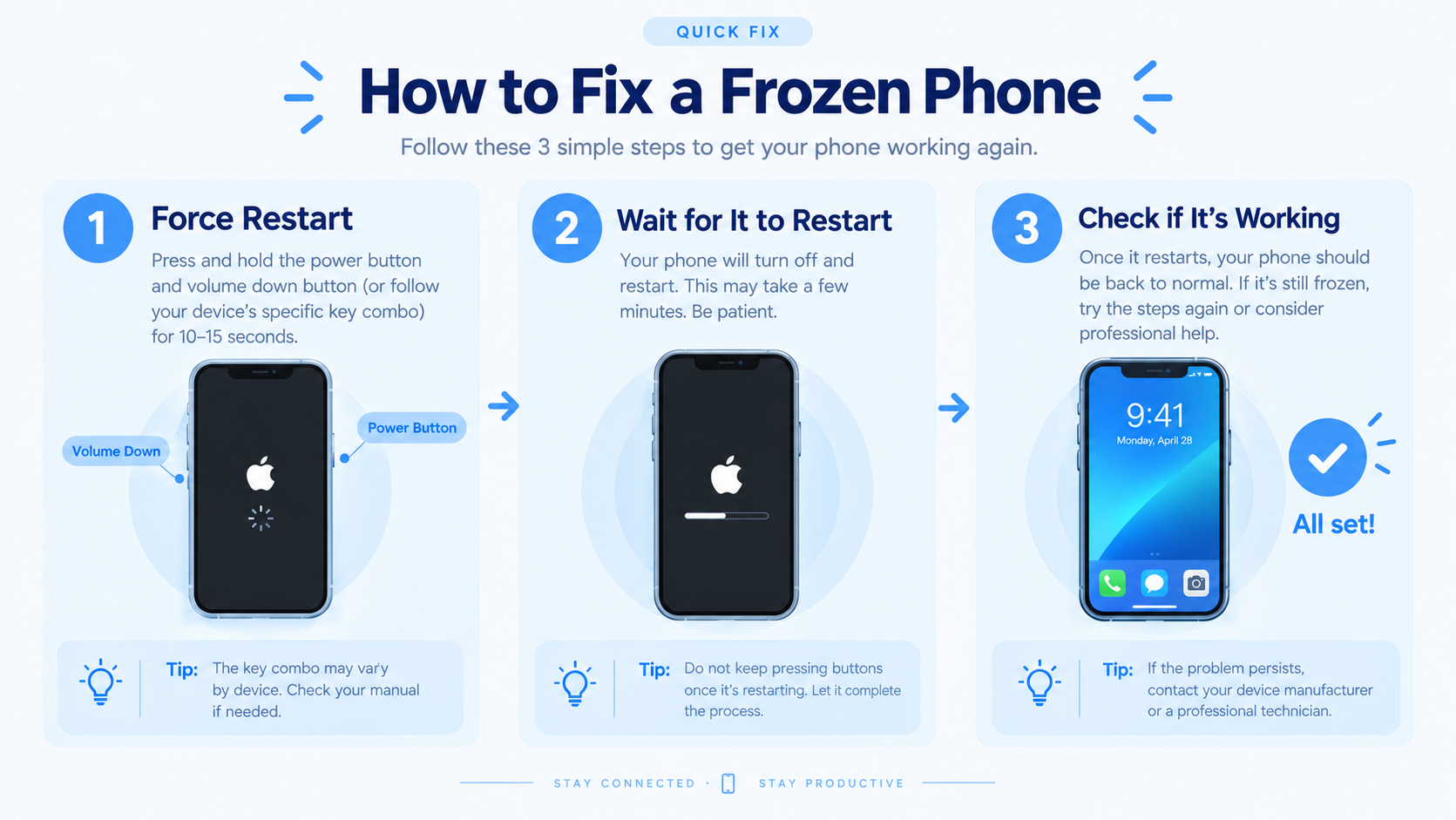
Minor software glitches often disappear with a simple restart. Hold down your smartphone’s power button, select “Restart” (or power off fully and turn it back on), then try activating Google Assistant again. This action clears temporary cache files that may be interfering with the app’s ability to run properly.
- Ensure your device is not in Silent or Do Not Disturb mode, which can muffle Google Assistant’s audio responses.
- Test the “Hey Google” wake word in a quiet room to avoid background noise that can prevent the assistant from hearing you.
- Confirm Google Assistant is set as your default digital assistant in device settings to eliminate conflicts with other apps.
Advanced Fixes for Persistent Google Assistant Issues
If basic steps don’t resolve your Google Assistant not responding problem, these deeper fixes address underlying software or configuration issues.
Update Google Assistant and Your Device
Outdated app or system software is a top cause of unplanned glitches. On Android, open the Google Play Store, search for “Google Assistant,” and tap “Update” if the option is available. For iOS, use the App Store to update the app. You should also check for system updates: on Android, go to Settings > System > Software Update; on iOS, go to Settings > General > Software Update. These updates often include critical bug fixes that resolve unresponsiveness issues.
Reset Google Assistant Settings
Resetting Google Assistant’s settings clears hidden conflicts without deleting your personal data (like saved reminders or contacts). On Android, open the Google Assistant app, tap your profile icon, select Settings > Assistant > Reset settings. For iOS, follow a similar path: open the app, go to Settings > Reset Assistant Settings. After resetting, retrain your voice model by saying “Hey Google” multiple times to ensure the assistant recognizes your commands.
Troubleshooting Google Assistant Smart Home Devices
For smart speakers, displays, or other connected devices, Google Assistant not responding often relates to network pairing or hardware issues specific to smart home hardware. Start by confirming the device is plugged in and has active Wi-Fi: check the device’s light ring to verify it’s powered on and connected. If unresponsive, restart the smart device by unplugging it from the power source, waiting 30 seconds, then plugging it back in. For Google Nest devices, use the Google Home app to check for firmware updates: go to Devices, select your smart device, tap Settings > More > Firmware update to install any pending patches. If the problem persists, move the device closer to your Wi-Fi router to reduce signal interference from walls or other electronics.
In summary, a Google Assistant not responding issue is rarely permanent, and most fixes can be completed in minutes without professional help. Start with basic checks like internet connectivity, permissions, and restarts, then move to advanced steps like updates or settings resets for stubborn problems. For smart home devices, prioritize firmware updates and proper Wi-Fi placement to ensure consistent performance. By following these structured troubleshooting steps, you’ll quickly restore Google Assistant functionality to streamline your daily tasks and smart home control.
Everything above about “Google Assistant not responding” is originally written by our editorial team. Reproduction is strictly prohibited.