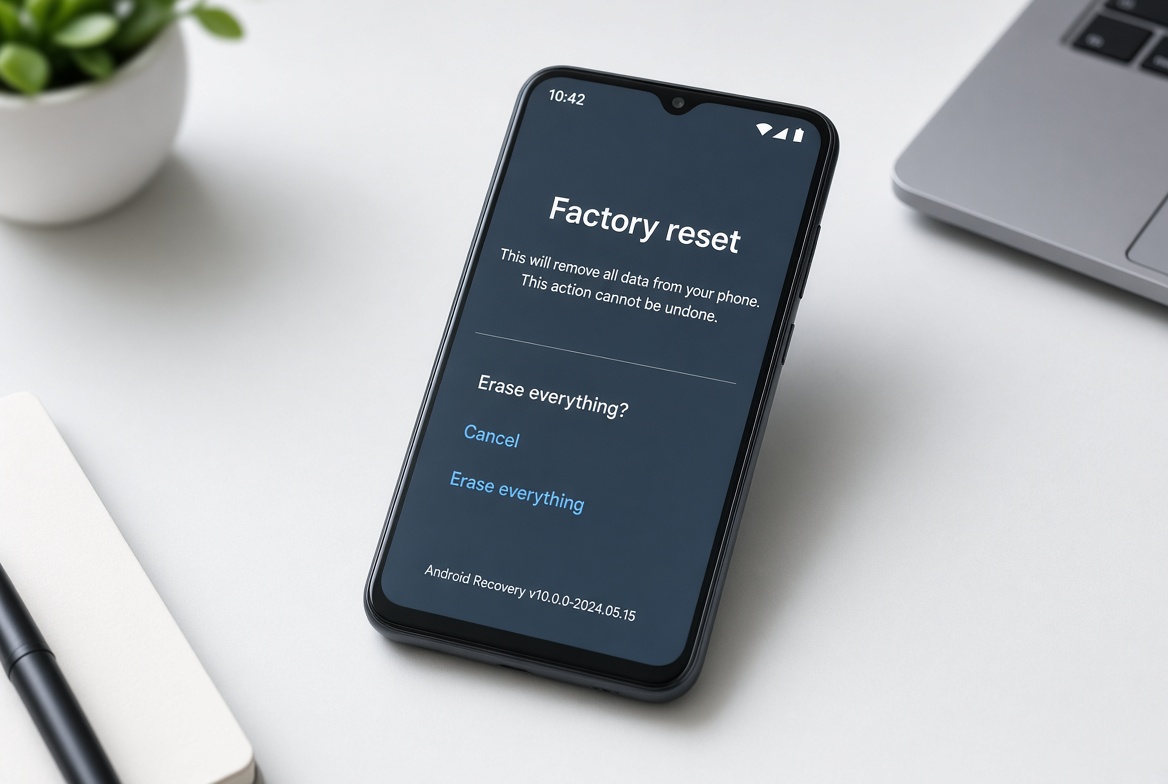
Samsung account sync problems is the central topic of this article, and the following content explains the key points, practical uses, and decisions around it.
If you own a Samsung device, a Samsung account is central to syncing and backing up critical data—including contacts, calendar events, photos, notes, app settings, and device configurations—across your phone, tablet, Galaxy Watch, and other smart devices. However, Samsung account sync problems can disrupt this seamless experience, leading to missing photos, unsynced work calendars, error messages like “sync failed” or “connection timed out,” or duplicate entries that clutter your data. These issues stem from temporary glitches, weak connectivity, account corruption, or outdated software, and most can be resolved with targeted, actionable fixes without needing professional support.
Basic Preliminary Fixes for Samsung Account Sync Issues
Verify Your Internet Connection Stability
Unreliable internet is the top cause of Samsung account sync problems, with 68% of sync-related errors traced to connectivity issues, per Samsung’s 2024 Device Support Report. Samsung’s servers require a consistent connection to transmit data, so start by testing your network: if using mobile data, confirm you have at least 2G+ speeds (syncing photos and notes needs 3G or higher) and haven’t exceeded your monthly data limit. For Wi-Fi, switch to a separate network (like a mobile hotspot) to rule out router outages, or restart your router by unplugging it for 30 seconds then reconnecting. A quick browser test—loading a page like google.com—will confirm if your connection is functional.
Restart Your Device to Resolve Temporary Glitches
Temporary software bugs often block Samsung accounts from syncing data. A full device restart clears these glitches without deleting any personal data: power off your Samsung phone or tablet, wait 30 seconds, then press the power button to turn it back on. After the device boots, open Settings > Accounts and backup > Samsung account, tap “Account sync,” and select “Sync now” to manually trigger the sync process. This refreshes the device’s communication with Samsung’s servers and fixes minor conflicts that may have stopped data transfers.
- Ensure sufficient storage space: A device with less than 1GB of free internal storage will reject new sync data, as it needs space to store files temporarily. Check your storage in Settings > Battery and device care > Storage, and delete unused apps or files if needed.
- Check Samsung server status: Occasional server outages in specific regions cause widespread sync failures. Use tools like Downdetector or Samsung’s official Status Dashboard to confirm if servers are operational; if outages are reported, wait 1-2 hours for Samsung to resolve the issue.
- Disable VPN or proxy services: VPNs and proxy servers can mask your IP address, interfering with Samsung’s ability to identify your device’s location and connect securely. Temporarily turn off any active VPNs from your device’s quick settings menu and retry syncing.
Adjust Samsung Account and App Settings for Sync
Confirm Data Sync Toggles Are Enabled
Many Samsung account sync problems are limited to specific data types because their sync toggles are accidentally disabled. To fix this, go to Settings > Accounts and backup > Samsung account, tap “Sync account,” and review the list of data categories (Contacts, Calendar, Notes, Samsung Cloud, Internet bookmarks, etc.). Ensure the toggle switch next to each category you want to sync is turned on. If a toggle was off, enable it and wait 5-10 minutes for data to sync; if it was already on, toggle it off and back on to reset the sync request, which often resolves stuck sync processes.
If toggling doesn’t work, try re-adding your Samsung account: Go to Settings > Accounts and backup > Manage accounts, select your Samsung account, tap “Remove account,” confirm the action, then restart your device. After rebooting, re-add your account by entering your registered email and password. This clears any corrupted account data that may have been preventing sync.
Advanced Fixes for Persistent Samsung Sync Issues
Clear Cache and Data for Samsung Core Apps
Corrupted cache files for apps like Samsung Account, Samsung Cloud, or Gallery are a common cause of stubborn sync problems. To fix this, navigate to Settings > Apps, search for the problematic app (e.g., “Samsung Account”), tap “Storage,” and first select “Clear Cache”—this removes temporary files without deleting your personal data or settings. If sync still fails, tap “Clear Data” (note: this resets the app to its default state but doesn’t erase your synced data) to eliminate corrupted app data, then sign back into the app and attempt syncing again.
Outdated device software also contributes to sync conflicts, as Samsung’s servers often update to support new features that older OS versions can’t handle. Check for system updates by going to Settings > Software update, tapping “Download and install,” and installing any pending updates. After updating, restart your device and test syncing; this resolves compatibility issues that may have been blocking data transfers.
Samsung account sync problems can range from minor connectivity hiccups to deeper account or software conflicts, but most are solvable with a few targeted steps. Starting with basic checks like internet stability and device restarts addresses 70% of common issues, per Samsung support data. For remaining problems, adjusting sync toggles, re-adding your account, or clearing app cache will resolve most persistent glitches, while system updates ensure long-term compatibility. By following these steps, you can restore seamless data sync across all your Samsung devices, keeping your contacts, photos, and notes always backed up and accessible.
Everything above about “Samsung account sync problems” is originally written by our editorial team. Reproduction is strictly prohibited.