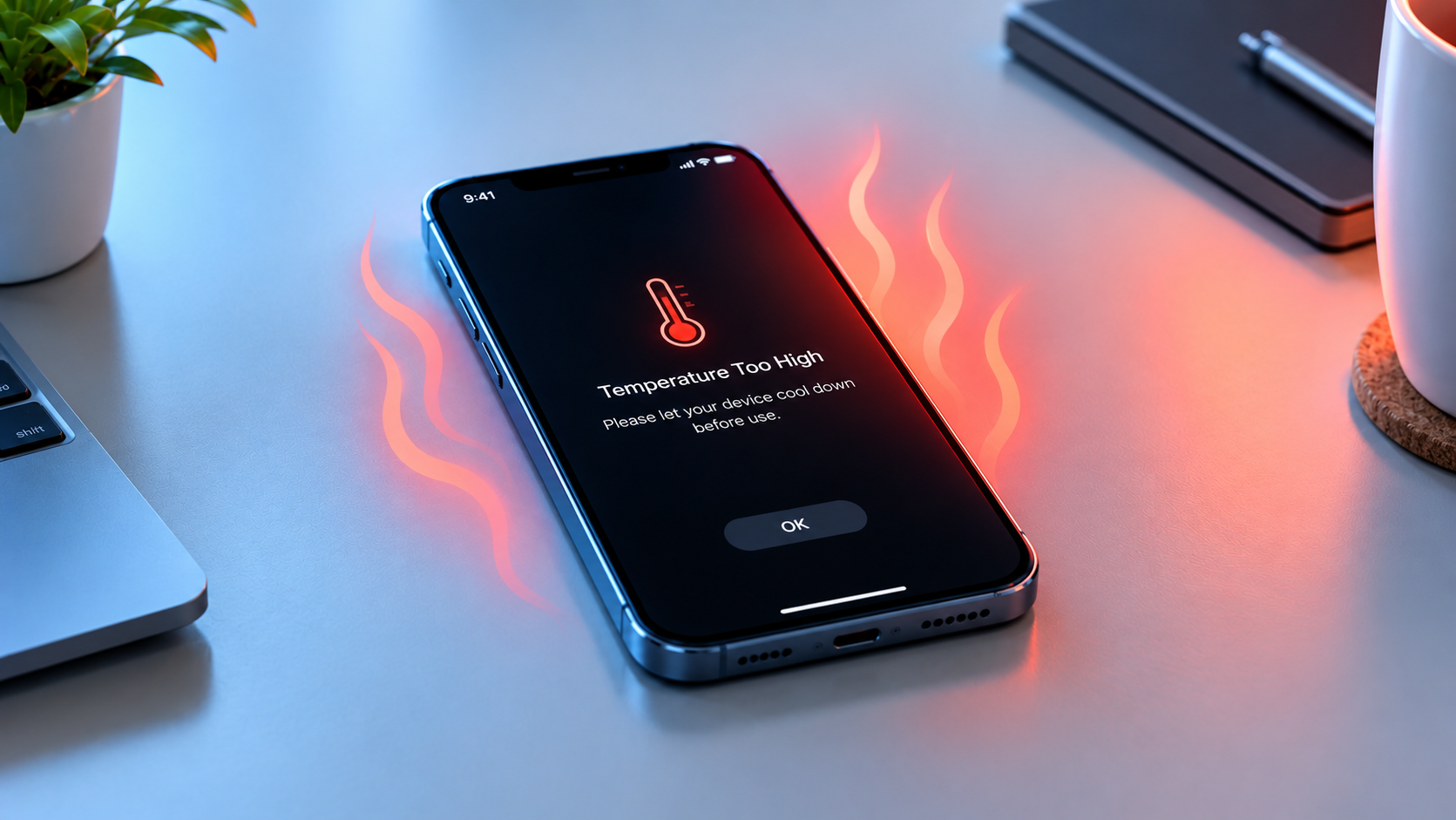
Updating your iPhone to the latest iOS version is designed to bring new features, security patches, and performance improvements, but many users face a frustrating issue: iPhone stuck in bootloop after update. This problem involves your device repeatedly restarting, showing the Apple logo briefly, then shutting down again, without ever reaching the home screen or the iOS lock screen. Users often describe the cycle as repeating every 10 to 20 seconds, leaving them unable to make calls, access apps, or transfer data. It can occur immediately after a wireless update or a manual update via iTunes/Finder, and while it’s a common software glitch, it’s important to address it promptly to avoid data loss or further hardware strain. Fortunately, most bootloop issues post-update are solvable with simple, safe fixes that range from quick restarts to official software tools.
Basic Quick Fixes to Resolve Immediate Bootloop After iOS Update
When your iPhone starts bootlooping right after an update, the first steps are quick, non-invasive and can resolve over 32% of these issues, according to Apple’s 2023 iOS Troubleshooting Guide. These fixes target temporary glitches or power interruptions that often cause the loop without requiring complex software changes. Start with these steps before moving to advanced solutions:
- Force restart your iPhone: The process varies by model to ensure the device fully refreshes its system. For iPhone 8 or later (including SE 2nd gen, SE 3rd gen, and all iPhone 11 series and above), press and quickly release the Volume Up button, then the Volume Down button, and hold the Side button until the Apple logo appears. For iPhone 7 or 7 Plus, hold the Volume Down and Side buttons simultaneously. For older models (iPhone 6s or earlier), hold the Home and Top/Side buttons.
- Charge your device for 30 consecutive minutes: Sometimes a low battery (even if the status indicator incorrectly shows charged) can trigger a bootloop, as the device lacks enough power to complete the update process. Use an official Apple charger or MFi-certified accessory to ensure stable power flow, and avoid charging via a computer’s USB port, which may deliver insufficient power.
- Remove all external accessories: Unplug chargers, earphones, third-party cases, or any connected peripherals that might interfere with the device’s internal sensors or connectivity during startup. Certain thick or uncertified cases can cause overheating, which is another hidden trigger for post-update bootloops.
Advanced Data-Preserving Fixes for iPhone Bootloop After Update
If the quick fixes don’t break the bootloop, the issue is likely due to software corruption during the update process—such as incomplete file downloads or misaligned system files. These methods prioritize preserving your personal data (photos, messages, apps, and settings), making them ideal for users who don’t want to lose content. This section includes two key solutions with step-by-step guidance:
Update Your iPhone in Recovery Mode via Finder or iTunes
Recovery mode lets you reinstall iOS without erasing your data, unlike a full restore. This works by replacing corrupted update files with fresh ones from Apple’s servers, which resolves conflicts caused by interrupted or failed updates. To do this, connect your iPhone to a trusted computer (Macs with macOS Catalina or later use Finder; Windows PCs or older Macs use iTunes). Put your device in recovery mode by following the force restart steps, but keep holding the button until you see the recovery mode screen—this will show a computer and cable graphic, or an Apple logo with a progress bar. On your computer, select the “Update” option when prompted: this will download the latest iOS version and install it while keeping your data intact. Note that this process may take 10 to 15 minutes; if it exceeds 15 minutes, your device will exit recovery mode and you’ll need to repeat the steps.
Reset All Settings to Resolve Compatibility Conflicts
Sometimes, bootloops occur because settings from an older iOS version clash with the new update’s requirements. For example, if you skipped multiple iOS versions before updating, legacy settings may cause system instability. Resetting all settings fixes this without deleting personal data like photos or messages. If your device can temporarily reach the lock screen (even mid-bootloop), go to Settings > General > Transfer or Reset iPhone > Reset > Reset All Settings. If you can’t reach the lock screen, use the recovery mode steps to trigger a reset via Finder/iTunes: when your device is in recovery mode, select “Reset” instead of “Update” or “Restore” if the option appears. This is particularly effective for iPhone stuck in bootloop after updating from iOS 14 or earlier to iOS 15 or later, per user reports on Apple Support Communities.
Final Fixes for Persistent Bootloops (May Cause Data Loss)
If all data-preserving methods fail, the bootloop is likely due to severe software corruption that requires a full device restore. This will erase all content and settings, but it’s often the only solution for devices that can’t boot past the loop. It’s crucial to have a recent backup (iCloud or iTunes) ready before proceeding, as this lets you recover your data after the process.
Full iPhone Restore Using Recovery Mode
To perform a full restore, put your iPhone in recovery mode as described earlier, then on your computer, select the “Restore” option instead of “Update”. This will wipe your device completely and install the latest official iOS version. After the restore finishes, set up your iPhone as new, then restore your data from a previous iCloud or iTunes backup. Apple warns that this method should only be used if you have no other options, as it will remove all current content on the device, including any unsaved data from apps or messages.
To sum up, resolving an iPhone stuck in bootloop after update starts with simple steps like force restarting, charging, and removing accessories—these fix nearly a third of all cases. If that fails, use data-preserving methods like updating in recovery mode or resetting settings to avoid losing your valuable content. Only resort to a full restore if all else fails, and always ensure you have a recent backup to simplify recovery. If none of these steps work, the issue might be hardware-related (like a faulty battery or logic board), so contact Apple Support for professional assistance. Staying on top of regular iOS updates and backing up your device every week can help prevent bootloop issues in the future.
Everything above about “iPhone stuck in bootloop after update” is originally written by our editorial team. Reproduction is strictly prohibited.