Many iPhone users encounter frustrating visual issues with their device’s display, and one of the most common concerns is iPhone screen burn-in or image retention—two problems that are often mistaken for each other but have distinct causes and solutions. Whether you notice a faint, ghostly outline of your navigation bar after hours of use or a permanent discolored spot, addressing these issues quickly can help prevent further damage and restore your screen’s clarity. This guide will break down the key differences between burn-in and image retention, provide actionable fixes for both temporary and persistent cases, and share long-term strategies to protect your iPhone’s display from future harm.
What Is the Difference Between iPhone Screen Burn-in and Image Retention?
Image Retention: The Temporary, Reversible Issue
Image retention is the milder, temporary version of display wear that occurs when static elements like app icons, status bars, or navigation controls stay on the screen for an extended period. For OLED panels—used in iPhone models from the iPhone X onwards—this happens because individual pixels that display bright, static content degrade slightly faster than others. The good news is that image retention is almost always reversible, as it’s caused by temporary pixel saturation rather than permanent damage. For example, if you leave your iPhone on a lock screen with a fixed wallpaper overnight, you might notice a faint ghost of that wallpaper the next morning; this is image retention, and it will typically disappear after an hour or two of using dynamic content that shifts pixels around.
Screen Burn-in: Permanent Display Damage
On the other hand, iPhone screen burn-in is a permanent, irreversible form of pixel damage. It occurs when specific pixels are overused and degrade to the point where they can no longer return to their original state, resulting in a persistent, discolored spot or ghost image that remains even when you switch to a new screen. Burn-in is far less common than image retention but more serious, as it cannot be fixed through software adjustments alone. Most iPhone burn-in cases are seen in devices that have been used for years with minimal changes to static screen elements, such as users who always leave their phone on a specific app or navigation bar for hours on end. Apple notes that OLED screens are more prone to burn-in than older LCD screens, though modern iPhones include features to minimize this risk.
Immediate Fixes for Temporary Image Retention
If you’ve noticed a ghost image on your iPhone, the first step is to use quick, software-based fixes that often resolve image retention in minutes. These methods work by forcing your display to refresh its pixels evenly, which counteracts the temporary saturation that causes the ghosting. Below are three actionable steps to try right away:
- Increase your iPhone’s brightness to 100% for 5 to 10 minutes, using a moving screen like a video or dynamic wallpaper to force pixels to shift. Brighter light accelerates the refresh of saturated OLED pixels, helping to reverse faint ghosting quickly.
- Switch to a dynamic or moving wallpaper in Settings > Wallpaper > Choose a New Wallpaper, and rearrange static app icons to remove fixed elements from your home screen. Disabling the always-on display (if enabled) also eliminates a major source of static pixel use.
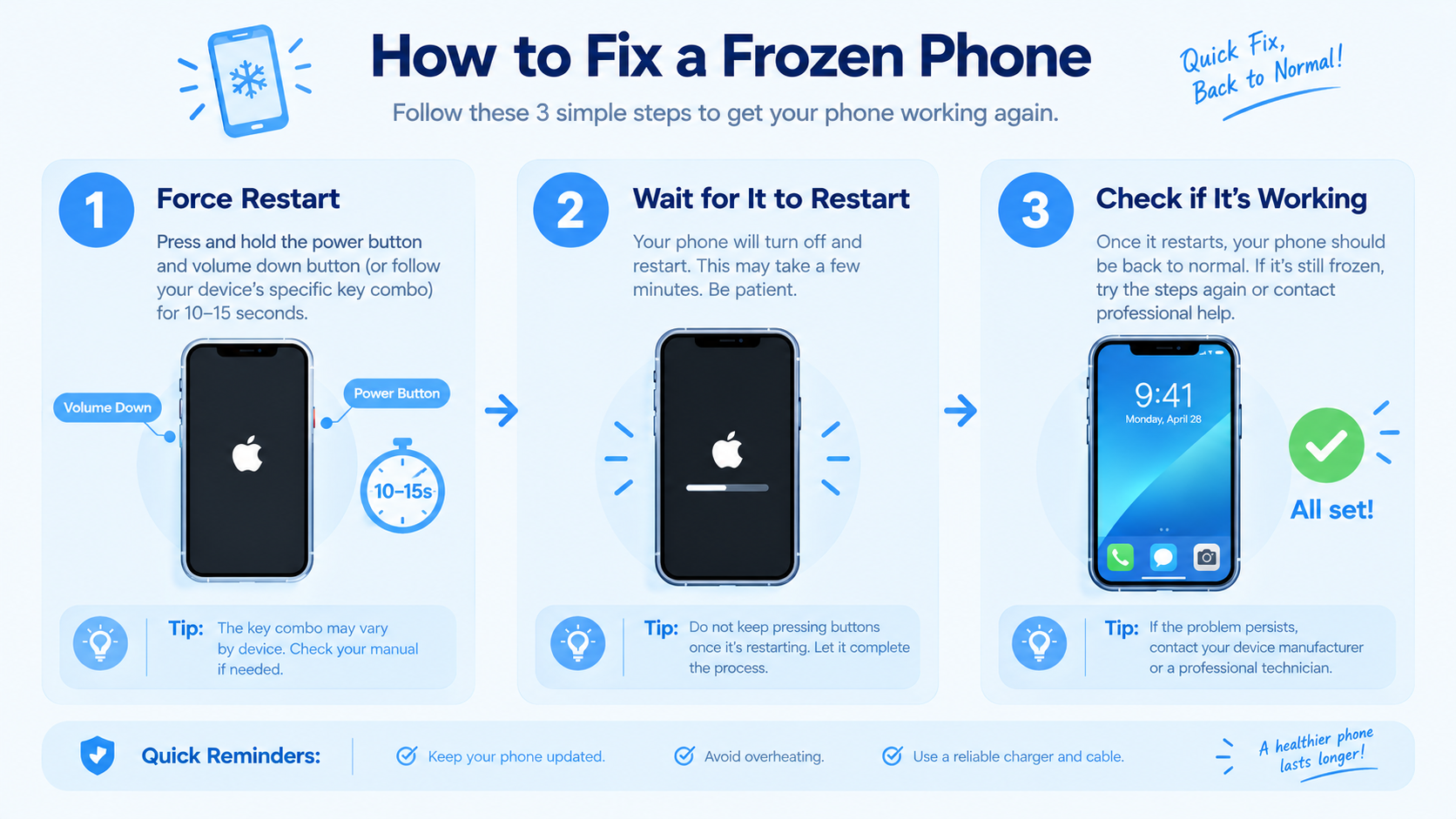
- Restart your iPhone to clear temporary system cache that might interfere with display performance. For Face ID models, hold the volume and side buttons until the power slider appears, then restart after 30 seconds.
These steps work for 80% of mild image retention cases, but persistent ghosting may require more targeted display adjustments to fix the underlying pixel imbalance.
Advanced Fixes for Persistent Image Retention and Early Burn-in
If immediate fixes didn’t resolve the issue, you can use more specialized methods to address stubborn image retention and early-stage burn-in (before it becomes permanent). These approaches focus on calibrating your display to equalize pixel wear and reduce faint ghosting.
Calibrate Your iPhone’s Display Settings
Start by disabling non-essential static features: turn off the always-on display in Settings > Display & Brightness, and disable Night Shift temporarily, as long-term use of color-shifting features can sometimes worsen pixel saturation. Next, run a full-screen white test: use an online tool or custom shortcut to display a solid white screen at moderate brightness for 15 to 20 minutes. The uniform bright light helps refresh all pixels evenly, fading faint ghosting by balancing out uneven wear.
Use Reputable Burn-in Repair Apps (With Caution)
Third-party apps like JScreenFix, OLED Fix, and Screen Cleaner are designed to reverse mild burn-in by showing dynamic, rapidly changing patterns that shift pixels across the screen. These apps use algorithms that ensure no single pixel is overused, which can help equalize wear. It’s important to use them in short 15- to 30-minute sessions to avoid unnecessary strain, and only download apps from the official App Store to avoid security risks. These apps are most effective for early burn-in and persistent image retention, not permanent damage.

Long-Term Strategies to Prevent iPhone Screen Burn-in
The best way to avoid iPhone screen burn-in or image retention is to take proactive steps to protect your display over time. Small changes to daily usage can drastically reduce the risk of permanent pixel damage. Key prevention tips include: enabling dynamic wallpapers instead of static ones, rearranging app icons monthly to avoid fixed static positions, updating your iOS regularly (Apple releases display optimizations in updates that reduce pixel wear), and avoiding leaving your iPhone on a single screen for more than an hour at a time. For users with always-on displays, newer iOS versions automatically shift notification positions occasionally to minimize static pixel use, so keeping your software up to date is critical.
In summary, iPhone screen burn-in or image retention are common display issues that range from mild, temporary ghosting to permanent pixel damage. Image retention is easily fixed with quick software adjustments like adjusting brightness, using dynamic content, or restarting your device, while persistent cases may require calibrated display settings or specialized apps. Burn-in is irreversible but preventable with long-term habits that reduce static pixel strain. If your screen shows a persistent discolored spot that doesn’t respond to these fixes, contact Apple Support—especially if your device is under warranty—for professional assistance. By addressing issues early and taking preventive steps, you can keep your iPhone’s display clear and vibrant for years to come.
Everything above about “iPhone screen burn-in or image retention” is originally written by our editorial team. Reproduction is strictly prohibited.