iPhone freezes randomly is the central topic of this article, and the following content explains the key points, practical uses, and decisions around it.
If you’ve ever been mid-text, scrolling through your favorite app, or even taking a photo, only to have your iPhone freeze randomly—with the screen unresponsive, buttons stuck, or apps crashing without warning—you know how disruptive this common issue can be. It can derail work tasks, interrupt personal moments, and leave you feeling frustrated, but the good news is that most iPhone freezes are solvable with simple, step-by-step troubleshooting you can perform at home.
Quick Immediate Fixes for a Frozen iPhone
When your iPhone freezes unexpectedly, the first priority is to get it working again right away. The two fastest fixes are force restarting your device and disconnecting unnecessary accessories, as these resolve temporary glitches without altering any settings or data.
Force Restart Your iPhone
A force restart bypasses standard shutdown processes and forces the device to reboot, which clears minor software bugs that cause freezing. The steps vary by iPhone model: For iPhone 8 and later (including SE 2nd/3rd gen), quickly press and release the Volume Up button, then press and release the Volume Down button, then hold the side button until you see the Apple logo. For older models with a Home button, hold the Home and Side (or Top) buttons simultaneously until the Apple logo appears.
Remove Third-Party Accessories
Sometimes, faulty or incompatible accessories can trigger random freezes. This includes non-Apple chargers, Lightning cables, or even third-party cases that interfere with the device’s sensors. Unplug all accessories, remove any case that isn’t Apple-certified, then test if the freezing stops. If it does, the accessory is likely the culprit.
Software-Related Troubleshooting to Fix Random Freezes
Most persistent iPhone freezes stem from outdated software, too many background apps using system resources, or corrupted app data. Addressing these software issues often resolves the problem entirely, and they don’t require advanced technical skills.
Update iOS to the Latest Version
Apple regularly releases iOS updates that patch known bugs, including those that cause random freezes. Outdated operating systems can have compatibility issues with new apps or hardware, leading to performance lag. To update, go to Settings > General > Software Update, and tap “Download and Install” if an update is available. Make sure your iPhone is charged to at least 50% or connected to a power source during the update.
Optimize Background App Usage
Too many apps running in the background consume valuable RAM, which can lead to freezes and slow performance. Follow these steps to reduce strain on your iPhone’s system:
- Quit apps you haven’t used in the last two hours: Swipe up from the bottom of the screen (or double-press the Home button on older models) to access the app switcher, then swipe up on any unused app to close it.
- Disable Background App Refresh for non-essential apps: Go to Settings > General > Background App Refresh, and toggle off the setting for apps that don’t need to update in the background (e.g., games that don’t require real-time data).
- Limit location services for unnecessary apps: Go to Settings > Privacy & Security > Location Services, and set non-essential apps to “Never” instead of “While Using the App” to reduce background data usage.
Storage and Hardware Checks for Persistent Freezes
If your iPhone still freezes randomly after software fixes, the issue might relate to storage capacity or hardware health. These checks help rule out more serious underlying problems.
Verify Available Storage Space
iOS requires at least 5-10% of your iPhone’s storage to be free to run smoothly. When storage dips below this threshold, the system struggles to process data, leading to freezes and crashes. To check your storage, go to Settings > General > iPhone Storage. If you see a “Storage Almost Full” message, delete old photos, videos, unused apps, or offload data to iCloud or an external hard drive to free up space.
Check Battery Health and Physical Damage
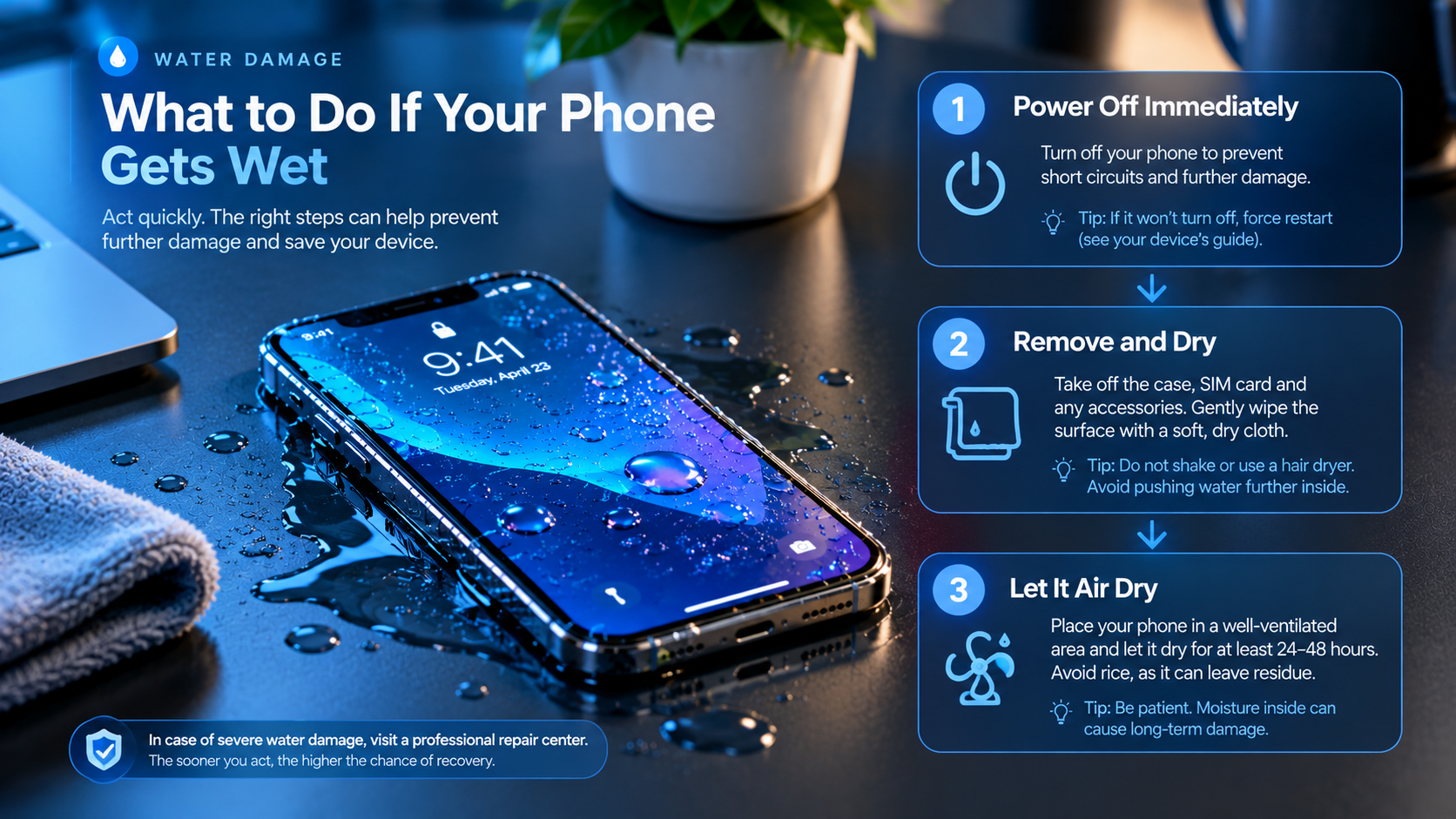
A degraded battery is a common cause of performance issues, including random freezes. If your iPhone’s maximum battery capacity is below 80%, iOS may throttle performance to protect the hardware, which can result in freezes. To check battery health, go to Settings > Battery > Battery Health & Charging. If capacity is low, replacing the battery at an Apple Store or authorized service provider often resolves this. Additionally, physical damage like water exposure or a loose display connector can cause intermittent freezing—if you’ve had a recent drop or spill, consider professional inspection.
Advanced Solutions for Stubborn Freezes
For iPhone freezes that continue after basic and software fixes, more in-depth steps can eliminate deep-seated glitches without data loss (in some cases). Always back up your iPhone to iCloud or a computer before performing advanced steps.
Reset All Settings (No Data Loss)
This reset reverts all system settings (like Wi-Fi passwords, display preferences, and privacy settings) to their default state, but keeps your photos, apps, and personal data intact. It resolves hidden software conflicts that updates might have missed. To do this, go to Settings > General > Transfer or Reset iPhone > Reset > Reset All Settings. Enter your passcode when prompted, and wait for the device to restart.
Restore iPhone via Finder or iTunes
If all else fails, restoring your iPhone wipes the device and reinstalls the latest iOS version, which fixes critical software bugs that basic resets can’t. First, back up your iPhone to a computer. Then connect your iPhone to the computer, open Finder (on macOS Catalina or later) or iTunes (on Windows or older Macs), select your device, and click “Restore [Device].” Note that this will erase all data unless you have a recent backup, so ensure your backup is up-to-date before proceeding.
Dealing with an iPhone that freezes randomly doesn’t have to signal the end of your device or a costly repair. Starting with quick force restarts and accessory checks, moving to software updates and background app optimization, then addressing storage and hardware health, covers most common fixes. For persistent issues, advanced resets or a targeted restore can eliminate stubborn glitches. Always prioritize backing up your data before making changes, and if all troubleshooting steps fail, contacting Apple Support or visiting an authorized service center will help diagnose any hardware-related issues. With the right steps, you can get your iPhone running smoothly again in no time.
Everything above about “iPhone freezes randomly” is originally written by our editorial team. Reproduction is strictly prohibited.