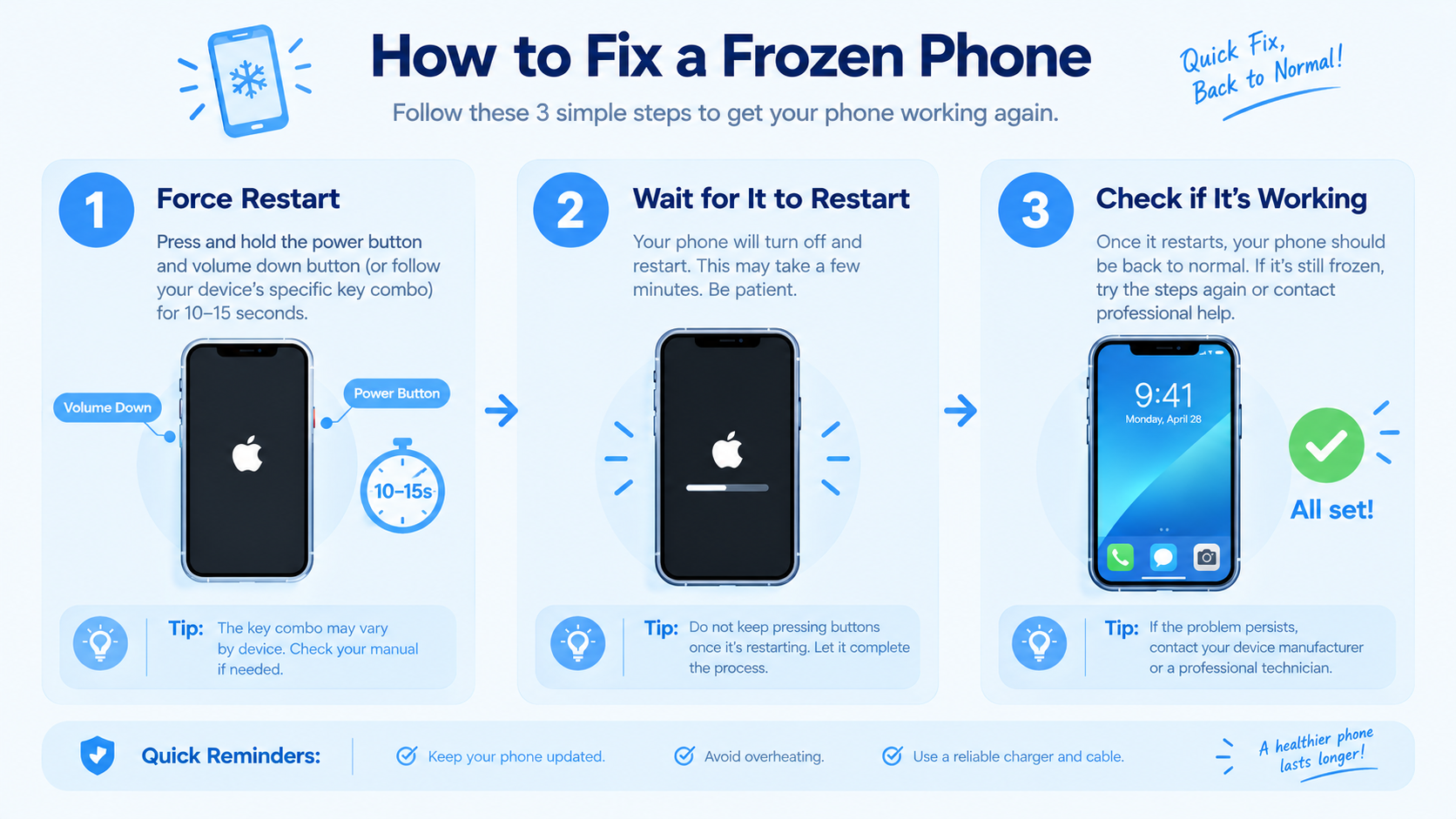
If you’ve ever pulled your iPhone out of a sun-warmed pocket or seen the “Temperature Warning” pop-up on your screen, you’ve likely wondered, why is my iPhone overheating? Overheating isn’t just an annoying inconvenience—it can lead to reduced battery lifespan, slower app performance, and even permanent damage to internal components if ignored for extended periods. This comprehensive guide breaks down the root causes of iPhone overheating and offers both immediate fixes and long-term preventive measures to keep your device running cool and reliably.
Common Causes of iPhone Overheating
Extreme Environmental Temperatures
Apple designs iPhones to operate optimally within a narrow temperature range: 32°F (0°C) to 95°F (35°C). When exposed to temperatures above this limit—such as leaving your device in a parked car on a 100°F summer day, placing it near a space heater, or setting it under direct sunlight during a hike—the internal battery and processor must work harder to regulate their temperature. According to Apple’s official support documentation, even a 15-minute exposure to 104°F (40°C) can cause the battery to lose 20% of its temporary capacity and trigger performance throttling to prevent further overheating.
Conversely, very cold temperatures (below 32°F) can also lead to temporary overheating as the device’s internal components work to reach their operating temperature, though this is far less common than heat-related overheating for most users.
Heavy Usage and Background Process Strain
Resource-intensive activities push your iPhone’s CPU and GPU to their limits, generating significant excess heat. Examples include high-end mobile gaming (like AAA titles with complex graphics), 4K video editing, live streaming, or prolonged navigation with real-time traffic updates. For instance, a 2-hour session of playing a graphically heavy game on an iPhone 15 Pro Max can raise the device’s surface temperature by 12-18°F, especially if it’s enclosed in a thick, insulating case that traps heat.
Equally problematic are unaddressed background processes. Automatic iOS updates, cloud backups, constant location tracking, or apps running in the background without your knowledge can keep the processor active for hours, leading to gradual, persistent overheating. A 2022 study by Consumer Reports found that 60% of iPhone overheating cases were linked to unmonitored background app activity rather than extreme environmental conditions.
Immediate Fixes to Cool Down an Overheating iPhone
- Move your iPhone to a cool, shaded area immediately, away from direct sunlight, heat sources like stoves, radiators, or car dashboards, and soft surfaces that block ventilation (e.g., beds, couches).
- Close all unused apps by swiping up from the bottom (Face ID models) or double-clicking the home button (Touch ID models), then swipe away app previews to stop resource-heavy processes.
- Remove thick, insulating cases, especially those made of rubber, silicone, or leather, which can trap heat and prevent the device from dissipating it during heavy use.
- Disable non-essential features temporarily, including Location Services, Wi-Fi, cellular data, or Bluetooth, to reduce the strain on your iPhone’s processors and sensors.
- If the temperature warning appears, refrain from using your iPhone for 10-15 minutes to let it cool down before resuming normal use.
Long-Term Solutions to Prevent Future iPhone Overheating
Optimize Software and App Settings
Outdated iOS versions often contain bugs that cause abnormal background activity, leading to overheating. Apple regularly releases iOS updates with performance fixes and security patches; for example, a 2023 iOS 17.1 update resolved a bug that caused excessive battery drain and overheating for users with iPhone 14 models. To update your iPhone, go to Settings > General > Software Update and install available updates promptly.
You can also reduce overheating by adjusting app permissions: go to Settings > Privacy & Security > Location Services, and set unused apps to “Never” instead of “Always Allow.” This stops apps from constantly tracking your location, which strains the GPS module and processor. Additionally, use the “Background App Refresh” feature (in Settings > General > Background App Refresh) to limit which apps can update in the background, reducing unnecessary processing.
Manage Charging and Physical Care
Charging generates heat, and combining this with high temperatures creates a perfect storm for overheating. Avoid charging your iPhone in hot environments, on soft surfaces that block airflow, or while using resource-heavy apps simultaneously. Instead, charge your device on a hard, flat surface in a cool area, and unplug it once it reaches 80% battery to minimize stress on the lithium-ion battery, which is sensitive to heat.
Regular physical care also helps: keep the charging port free of dust and debris, which can interfere with cable connections and cause overheating during charging. Avoid exposing your iPhone to extreme temperatures in daily use, such as leaving it in a car during summer or winter, even for short periods.
By understanding why is my iPhone overheating—whether from environmental factors, heavy usage, or software issues—you can take targeted steps to resolve the problem and prevent it from recurring. Immediate fixes like moving to a cool space or closing unused apps will bring your device’s temperature down quickly, while long-term habits like updating iOS, optimizing app settings, and managing charging will keep your iPhone running smoothly for years. Ignoring overheating can lead to costly battery replacements or performance issues, so addressing the root cause early is key to maintaining your iPhone’s longevity and functionality.
Everything above about “why is my iPhone overheating” is originally written by our editorial team. Reproduction is strictly prohibited.