how to fix mobile data not working is the central topic of this article, and the following content explains the key points, practical uses, and decisions around it.
Dealing with mobile data not working can throw your day off track, whether you’re trying to finish a remote work task, navigate unfamiliar areas, or video-call a family member. When you’re in a spot without reliable Wi-Fi, knowing how to fix mobile data not working quickly becomes essential. The good news is that most mobile data issues stem from minor, fixable problems—from a simple device reboot to adjusting network settings—so you can regain connectivity without waiting for professional help.
Basic Quick Checks for Immediate Mobile Data Fixes
Before diving into complex settings, start with these fast, actionable steps that resolve over half of common mobile data glitches. Temporary network drops, disabled data toggles, or even a full data plan are often the culprits here, so these checks take less than two minutes to complete.
Toggle Airplane Mode and Mobile Data
Toggling Airplane Mode is a classic troubleshooting trick that resets your device’s connection to nearby cellular towers, clearing any temporary connection bugs. To do this, swipe down from the top of your screen to open the quick settings panel—most Android and iOS devices have an Airplane Mode icon here. Tap it to turn it on, wait 10 seconds, then tap it again to turn it off. You can also toggle mobile data directly: go to your device’s Settings > Mobile Network (or Cellular for iOS), switch Mobile Data off, wait five seconds, then switch it back on. This refresh often re-establishes a stable data connection.
Verify Your Data Plan and Usage Limits
Many mobile carriers automatically throttle speeds or suspend data service once you exceed your monthly data cap, especially on budget plans. If you notice a sudden drop in speed or a "no data" message, check your plan details. Open your carrier’s official app (like My T-Mobile, My AT&T, or Verizon My Account) or log into your account via the carrier’s website to view your remaining data allowance. If you’ve hit your limit, you can usually purchase a temporary data top-up directly through the app or website—this often restores full data access within a few minutes.
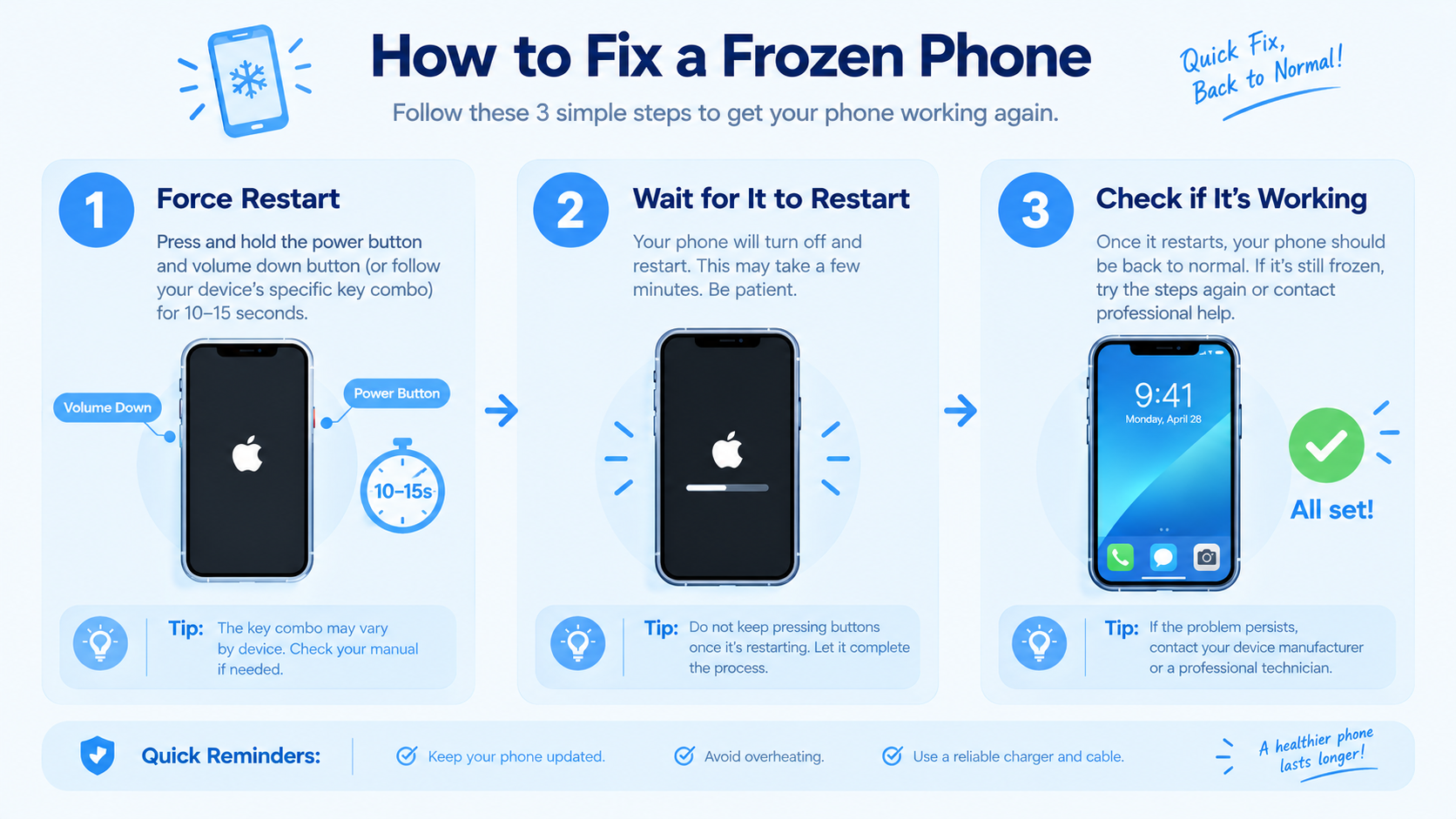
- Restart your device: A 2-minute reboot fixes approximately 60% of minor mobile data issues, according to tech support data from major smartphone brands like Samsung and Apple. To restart, hold the power button until the "Restart" option appears, then select it.
- Check for local network outages: Use tools like DownDetector or your carrier’s own outage map to see if other users in your area are reporting similar data problems. Widespread outages are rare, but if multiple people are affected, the issue is likely with your carrier’s infrastructure, not your device.
- Inspect your SIM card: For devices with a removable SIM card, power off your phone, eject the SIM tray using the SIM tool (or a paperclip), remove the SIM card, inspect it for damage (like scratches or bent pins), reinsert it firmly, then restart your device. A loose or damaged SIM card can block data connectivity even if other services work.
Advanced Device Settings to Fix Persistent Data Issues
If quick checks don’t work, the problem is likely with your device’s network settings or cached data. These steps target more specific issues that basic toggles can’t resolve.
Adjust Network Mode and APN Settings
Incorrect network mode settings are a common cause of data problems, especially as carriers phase out older network technologies like 3G. If your phone is set to "3G only" and your area no longer supports 3G, you’ll have no data access. To fix this, go to Settings > Mobile Network > Network Mode (or Cellular > Network Mode for iOS) and select an auto option like "5G/4G/3G" or "LTE/5G"—this ensures your device connects to the fastest available network. APN (Access Point Name) settings are another critical area: they dictate how your device connects to your carrier’s data network. Wrong APN details (from a recent device swap or carrier update) can block data. To reset APN settings, go to Settings > Mobile Network > Access Point Names, tap the three-dot menu, and select "Reset to Default"—this restores your carrier’s official, working APN configurations.
Clear Corrupted Network Caches
Cached data for your carrier’s app or system network services can become corrupted over time, leading to connectivity issues. For Android devices, go to Settings > Apps > [Your Carrier’s App, e.g., T-Mobile] > Storage, then tap "Clear Cache"—this removes temporary files that might be interfering with data. For iOS, offloading the carrier app (Settings > General > iPhone Storage > [App Name] > Offload App) clears cached data without deleting your personal messages or account info. After offloading, reinstall the app from the App Store to refresh its connection.
Carrier Account and Network Outage Fixes
If all device-side steps fail, the issue may lie with your carrier’s network or your account. Here’s how to rule these out and resolve any account-specific problems.
Contact Your Carrier to Check for Account Issues
Sometimes, a simple account update or billing error can suspend mobile data access. For example, a missed payment might lead to a temporary data block, even if your plan was active the day before. To confirm, contact your carrier’s customer support via phone, chat, or their app. Most carriers will check your account for any unpaid bills, plan changes, or service interruptions. If there’s a billing issue, resolving it quickly—like making a payment—will usually restore data service within 15 minutes. You can also ask your carrier to "refresh your network connection" remotely, which pushes a new configuration to your device.
When mobile data stops working, the key is to work through troubleshooting steps in order, starting with the simplest fixes first. Toggling settings, restarting your device, and checking your data plan are the fastest ways to resolve most issues, while adjusting network settings or clearing caches works for persistent problems. If all else fails, contacting your carrier to rule out outages or account issues will help you get back online quickly. By following these steps, you can avoid unnecessary delays and get your mobile data working again without extra stress.
Everything above about “how to fix mobile data not working” is originally written by our editorial team. Reproduction is strictly prohibited.