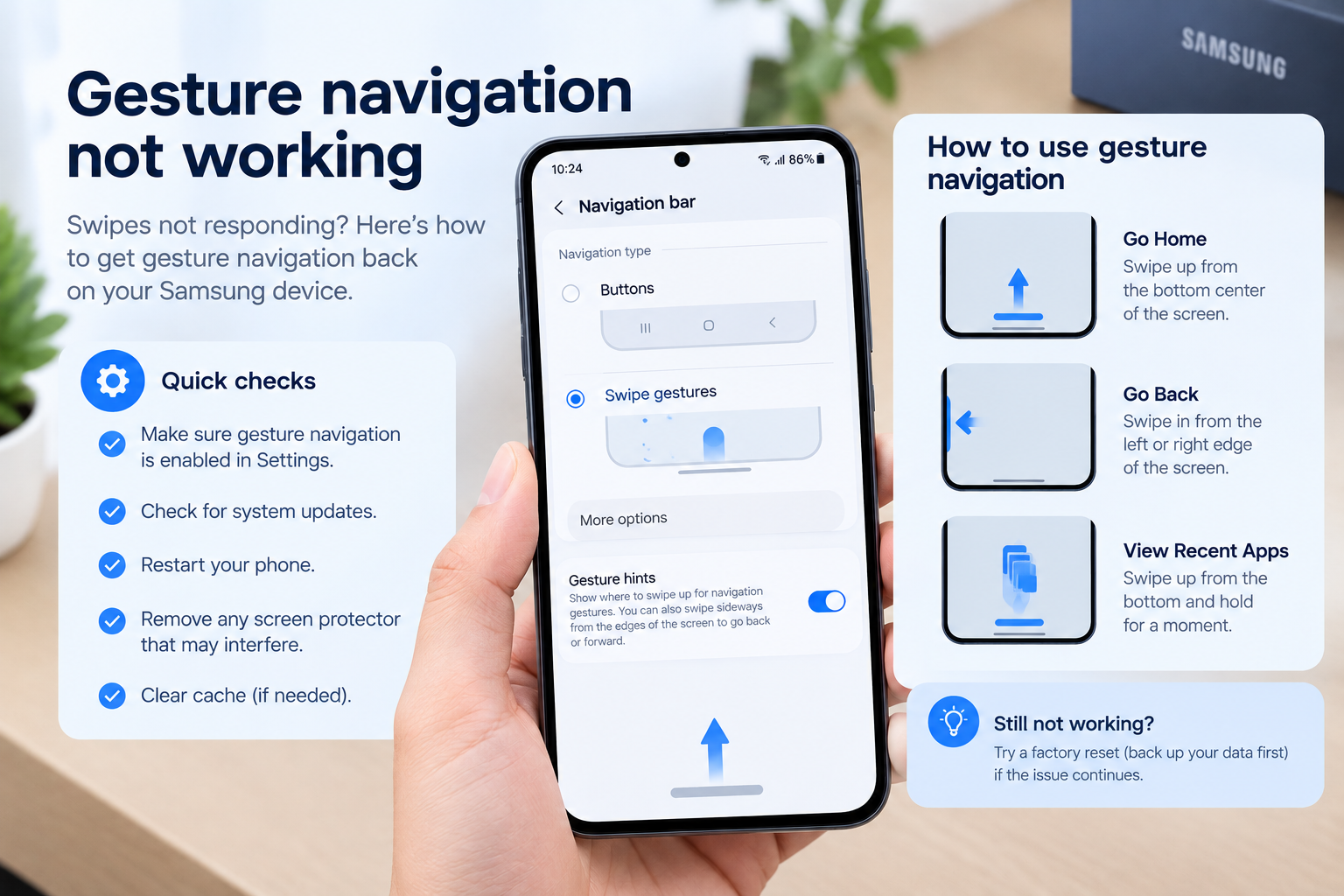
how to remove stuck update on phone is the central topic of this article, and the following content explains the key points, practical uses, and decisions around it.
A stuck update on your phone can be a frustrating roadblock, disrupting your routine and leaving your device unresponsive. Whether it’s an iOS or Android update hanging at 50%, failing to progress, or showing an error message, knowing how to remove stuck update on phone is essential to get your device back to working order without losing data or causing further damage. Most stuck updates happen due to poor Wi-Fi connectivity, insufficient storage space, or temporary software glitches, but resolving them requires targeted steps based on your device type and the nature of the issue.
Initial Quick Fixes for Stuck Phone Updates
Often, the simplest and fastest solutions resolve stuck update issues before you need more advanced steps. One common cause is unstable Wi-Fi: if your signal drops mid-update, the process can freeze indefinitely. For iOS users, Apple recommends staying on a reliable Wi-Fi network with at least 5Mbps speed; for Android, the same rule applies, though some carriers allow updates over mobile data (check your settings to enable this if needed) for extra flexibility. Another overlooked factor is storage: Android requires a minimum of 2GB of free internal storage, while iOS needs roughly 5GB to accommodate large update files. If you’re low on space, delete unused apps, old photos, or cached files to free up room before retrying the update.
Force Restart Your Device
A force restart clears temporary system glitches that might be blocking the update process, and it’s completely safe—no data is lost in the process. Steps vary by device: For iPhone 8 or later, quickly press and release the volume up button, then the volume down button, then hold the side button until the Apple logo appears. For iPhone 7/7 Plus, hold both the volume down and side buttons until the logo shows. For most Android devices, hold the power button and volume down button for 10–15 seconds until the device reboots. This quick reset often resolves minor software conflicts causing the stuck update.
Troubleshooting Stuck Updates on Android Phones
Android’s open system can sometimes lead to unique update glitches, but there are targeted fixes tailored to the platform. Beyond quick restarts, two key steps often resolve issues for Android users, starting with clearing the system cache partition.
Wipe the System Cache Partition
Your Android phone stores temporary system files in a cache partition, and corrupted files here can interfere with updates. Wiping this partition (a process distinct from a full factory reset) removes corrupted data without deleting personal files or apps. To do this: Turn off your phone, then boot into recovery mode by pressing and holding the power button and volume up button (steps may vary slightly by brand, but this is the most common method). Use the volume keys to navigate to “Wipe Cache Partition,” select it with the power button, then wait for the process to complete before rebooting your device. Once restarted, try the update again.
Uninstall Pending App Updates
Sometimes a stuck update affects a pre-installed or third-party app, not the entire OS. To fix this, you can uninstall pending updates for the problematic app to revert it to its factory state. Go to Settings > Apps & Notifications > See all apps, find the app with the pending update, tap on it, then select Uninstall Updates. After this, retry the system or app update to see if the issue is resolved.
- If the update remains stuck, use Google’s Find My Device feature to remotely cancel the update process if your phone is linked to a Google account.
- Check for carrier-specific updates that might be conflicting; some wireless carriers delay OS updates to ensure compatibility with their network, which can cause delays.
- Contact your device manufacturer’s support team if the problem persists, as there may be a known software bug with your specific phone model.
Resolving Stuck iOS Updates
iOS updates are generally stable, but over-the-air (OTA) updates can sometimes get stuck due to corrupted files or network issues. There are two primary methods to fix this, both data-safe for most cases.
Delete Corrupted OTA Update Files
iOS stores OTA update files in the background, and if these files become corrupted, they can cause the update to hang. To resolve this, go to Settings > General > iPhone Storage. Scroll through the list of apps and find the pending iOS update (it will show the version number, like iOS 17.5), tap on it, then select Delete Update. Once deleted, return to Settings > General > Software Update to re-download and install the update fresh.
Install Updates via Finder or iTunes
If OTA updates remain stuck, using a computer to install the update is often more reliable. For Macs running macOS Catalina (10.15) or later, open Finder and connect your iPhone to the Mac via USB-C or Lightning. Select your iPhone in the Finder sidebar, go to the Summary tab, then click Update (not Restore, which erases data). For Windows PCs or older Macs, use iTunes to connect your device and follow the same steps. This method avoids many OTA-specific issues because it uses your computer’s faster internet connection and stable software infrastructure.
When to Use Advanced Fixes
If all the above steps fail to resolve the stuck update, you’ll need to move to more advanced solutions, though these should be considered last resorts due to potential data loss.
Factory Reset Your Device
A factory reset wipes all data from your phone, so be sure to back up your data to iCloud (iOS) or Google Drive/PC (Android) first. For Android, go to Settings > System > Reset > Factory Data Reset, then follow the prompts. For iOS, go to Settings > General > Transfer or Reset iPhone > Erase All Content and Settings. After the reset completes, restore your backup and retry the update—this often resolves deep-seated software conflicts.
Check for Hardware-Related Issues
In rare cases, a stuck update may stem from hardware problems. A faulty battery can cause the update to fail if the device dies mid-process; check your battery health (iOS has a built-in Battery Health section, while Android uses apps like AccuBattery) and replace it if health is below 80%. Damaged internal storage can also interfere with updates—connect your phone to a computer to scan for storage errors using built-in tools like Windows Error Check or Mac Disk Utility. If hardware issues are confirmed, contact a professional repair service.
Troubleshooting a stuck update on your phone doesn’t have to be a stressful experience, especially when you know how to remove stuck update on phone effectively. Starting with quick, non-invasive fixes like checking connectivity and storage, then moving to force restarts or cache wipes, resolves most minor glitches. For Android users, targeting app updates and carrier checks works well, while iOS users can rely on deleting corrupted OTA files or using a computer for installations. If all else fails, a backed-up factory reset and hardware check will get your device back to full functionality. By following these steps, you can avoid unnecessary professional costs and downtime for a common mobile issue.
Everything above about “how to remove stuck update on phone” is originally written by our editorial team. Reproduction is strictly prohibited.