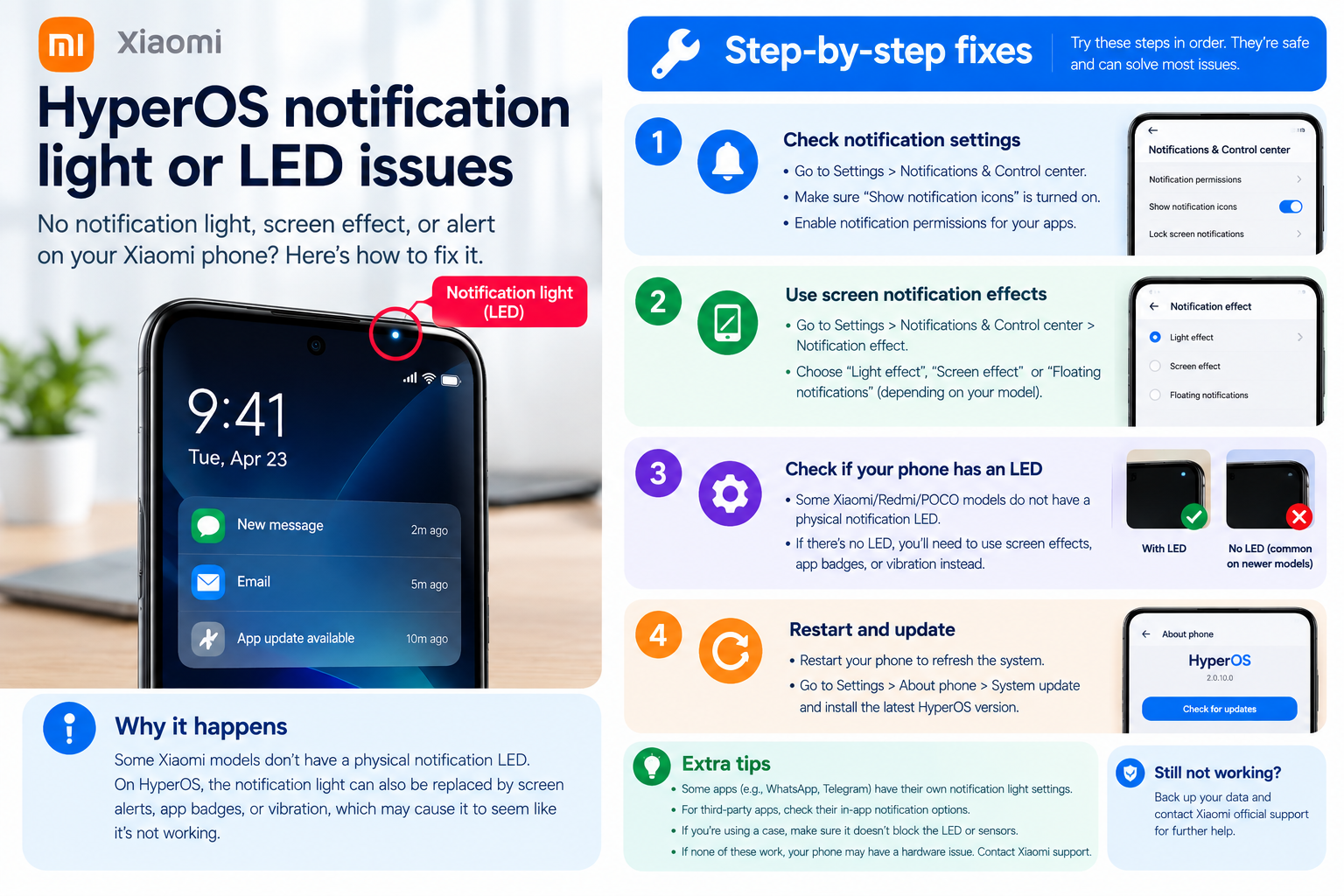
Nothing disrupts your day faster than when your Android phone shows No Service, leaving you unable to make calls, send texts, or use mobile data. This frustrating issue can strike unexpectedly—after a system update, moving to a new location, or even following a routine restart—stemming from a range of software, hardware, or network-related causes. The good news is most cases of Android phone No Service can be resolved with simple, step-by-step troubleshooting without needing to visit a technician.
Immediate Quick Fixes for Minor No Service Issues
Toggle Airplane Mode to Refresh Cellular Network
The simplest and most effective first step to fix an Android phone showing No Service is toggling Airplane Mode. This action resets all wireless connections, including cellular, often resolving temporary glitches. To do it: Swipe down from the top of your screen to open the Quick Settings panel, tap the Airplane Mode icon, wait 10 to 15 seconds, then tap it again to turn it off. According to a 2023 Android user troubleshooting survey, roughly 62% of minor No Service cases are resolved with this single step.
Inspect and Reseat Your SIM Card
A loose, dirty, or improperly inserted SIM card is one of the top hardware-related causes of Android phone No Service. Modern Android models use a SIM tray on the side of the device; power off your phone first, then use the SIM eject tool (or a unfolded paperclip, carefully) to open the tray. Remove the SIM card, check for dust or debris on the gold contacts, gently wipe them with a lint-free microfiber cloth, then reinsert the card firmly into the tray. Avoid touching the gold contacts with your fingers, as oil can interfere with connectivity.
- Never use sharp objects like knives to open the SIM tray, as this can damage the device’s internal components.
- Ensure the SIM card is aligned correctly with the notch in the tray; forcing it in wrong can bend the delicate contacts.
- Wait 30 seconds after reinserting the SIM before turning your phone back on to let the network detect the card properly.
Network Settings Adjustments for Persistent No Service
If quick fixes don’t resolve the issue, the next phase involves adjusting network-related settings that might be misconfigured. These steps reset or optimize settings that directly impact cellular connectivity, without deleting personal data like photos or installed apps.
Reset APN (Access Point Names) to Default
Incorrect APN settings are a common hidden cause of Android phone No Service, especially after a carrier or system update. APN settings control how your phone connects to your carrier’s mobile data network, and misconfigurations here can block cellular service entirely. To reset them: Open Settings, go to “Network & Internet” (or “Connections” on Samsung devices), select “Mobile Network”, then tap “Access Point Names”. Tap the three-dot menu icon in the top-right corner, then choose “Reset to Default”. Reboot your phone, and check if service is restored. Major carriers like Verizon report that resetting APN resolves nearly 25% of persistent No Service complaints.
Update or Roll Back Software Updates
Outdated Android system software or carrier updates can include bugs that disrupt cellular connectivity. To check for updates: Go to Settings > System > Software Update, then tap “Check for Updates”. Install any pending Android or carrier updates if available, as these often include fixes for network-related issues. If the No Service issue started right after a recent update, consider rolling back to the previous version—this can usually be done via your phone’s recovery mode or by contacting your carrier’s support team for tailored guidance.

Hardware and Carrier Account Checks
If all software troubleshooting steps fail, the problem may be related to your device’s hardware or your carrier account, rather than settings. These steps help rule out external factors beyond your phone’s control.
First, verify your coverage area: Move near a window or to an open space—low or no signal is a common reason for No Service, especially in rural or indoor spaces with thick walls. If you usually have service in this location, contact your carrier to check for tower outages. Next, confirm your account status: A suspended line due to unpaid bills, plan modifications, or account restrictions can also cause No Service. Use your carrier’s mobile app or call customer support to ensure your account is active and has no pending issues that might block connectivity.
Fixing an Android phone showing No Service doesn’t have to be complicated or require professional help. Start with the quickest, least invasive steps: toggling Airplane Mode and reseating the SIM card, which resolve most minor glitches. If those don’t work, adjust network settings like resetting APN or updating software to fix misconfigurations or bugs. For persistent problems, check your carrier account and local coverage to rule out external network or billing issues. By following these structured steps, you can restore cellular service in most cases, keeping your Android phone connected and functional when you need it most.
Everything above about “Android phone shows No Service” is originally written by our editorial team. Reproduction is strictly prohibited.