Waking up to a vibrating phone alarm instead of a loud, audible sound is a frustrating issue many smartphone users face, and knowing how to fix phone alarm that only vibrates but no sound can save you from missing important appointments, work deadlines, or even critical morning routines. This problem can stem from simple settings oversights, app glitches, or temporary software bugs, so troubleshooting usually starts with basic checks before moving to more advanced fixes. Whether you use an Android or iOS device, most solutions apply across both platforms, though there are a few platform-specific tweaks to consider depending on your phone’s operating system.
Check Basic Volume and Alarm Sound Settings
The first step in troubleshooting is to rule out simple setting errors that often cause alarm sound failures. Most smartphones separate alarm volume from master, ringtone, and media volume, so overlooking this distinction is a common mistake. Even if your general ringtone plays sound, the alarm slider might be muted or set too low, or the alarm tone itself could be configured for vibration only.
Verify Alarm Volume Level
On Android devices, adjust alarm volume by pressing the physical volume up button, then tapping the small arrow icon on the right side of the on-screen volume slider to reveal the independent alarm volume bar. For iOS users, go to Settings > Sounds & Haptics, then use the "Ringer and Alerts" slider—ensure the "Change with Buttons" toggle is enabled if you want to adjust volume using side buttons. If the alarm volume is set to zero or very low, increasing it to a comfortable level will often restore sound immediately.
Ensure Alarm Sound is Not Set to Vibration Only
Even with volume turned up, your alarm might be assigned a silent or vibration-only tone. Open your default clock app to confirm: for Android’s Clock app, go to Alarms, tap the three-dot menu > Settings, then select "Alarm sound"—avoid options like "None" or "Vibration only". For iOS, open the Clock app, go to the Alarm tab, tap Edit, select an existing alarm, then tap "Sound" at the bottom. Pick a audible tone from the list (excluding vibration modes) to ensure sound plays.
Inspect Focus Modes, Do Not Disturb, and App Glitches
Beyond basic volume settings, system-wide restrictions and app-specific issues can block alarm sounds entirely. Focus modes (iOS) and Do Not Disturb (DND) (Android) are designed to silence notifications during specific times, but they often interfere with alarms if not configured correctly. Additionally, temporary glitches in your clock app can prevent alarms from triggering audio.
Disable Active Focus or Do Not Disturb Modes
To check for this, on iOS go to Settings > Focus and turn off any active modes like Sleep, Work, or Personal. For Android, pull down the quick settings panel and tap the DND icon to disable it. To ensure alarms bypass these modes, customize settings: on iOS, select a Focus mode, tap "Allowed Notifications", and toggle on "Alarms"; on Android, go to Settings > Sound > Do Not Disturb > Alarms and confirm alarms are set to bypass DND restrictions.
Fix Clock App Permissions and Clear Glitches
Missing permissions can prevent your clock app from accessing sound output. For Android, go to Settings > Apps > See all apps > [Your Clock app] > Permissions, and ensure "Notifications", "Phone", and "Storage" are enabled. For iOS, go to Settings > [Clock app] and confirm "Notifications" are turned on. If permissions are already correct, the following steps resolve most remaining app glitches:
- Clear clock app cache: On Android, go to Settings > Apps > [Clock app] > Storage & cache > Tap "Clear cache"—this removes temporary data without deleting saved alarms or custom settings.
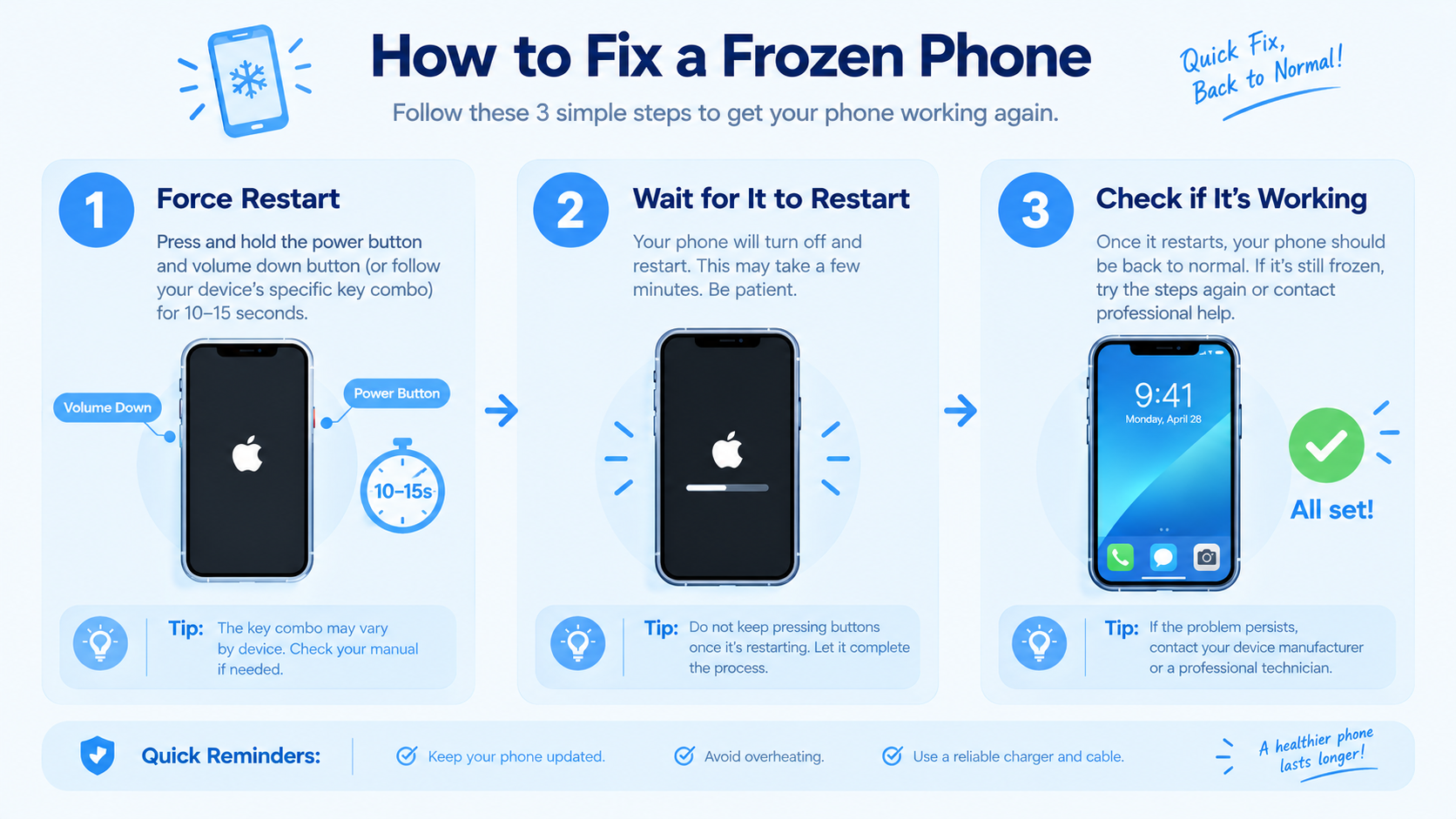
- Restart your smartphone: A simple reboot resolves temporary software conflicts; hold the power button, select "Restart", then set a test alarm to check for sound.
- Update your clock app: On Android, open the Google Play Store, go to My apps & games, and update the Clock app; on iOS, go to the App Store, tap your profile, and update pending apps.
Update Operating System to Resolve Compatibility Bugs
Outdated operating systems often include bugs that disrupt sound functionality, especially after a recent device update. If your alarm worked before a software update and stopped afterward, this is likely the root cause. For Android, go to Settings > System > System update and check for pending OS patches; install them as they frequently fix sound-related glitches. For iOS, navigate to Settings > General > Software Update to download and install the latest iOS version. If a pending app update caused the issue, rolling back to a previous version (via app store archives) can sometimes resolve conflicts, though this is less common than OS updates.
Hardware Checks for Persistent Alarm Sound Issues
If all software fixes fail, the problem may be hardware-related, though this is rare. First, inspect your phone’s speaker grille: dust, lint, or a thick protective case can block sound output, making the alarm seem like it only vibrates. Gently clean the grille with a soft, dry cloth or a small, soft-bristled brush (avoid liquids that could damage internal components). Test other sounds on your device—play a music file or voice recording; if those also don’t play sound, the issue is likely with the speaker hardware. In this case, contact your phone manufacturer’s support or a certified repair technician to diagnose and replace faulty components.
In conclusion, resolving a phone alarm that only vibrates but no sound is a step-by-step troubleshooting process that starts with basic settings checks and moves to more advanced fixes. By first verifying alarm volume and sound selection, then disabling focus modes, clearing app glitches, updating software, and checking for hardware issues, you can reliably restore audible alarm functionality. Most of the time, this problem is caused by simple oversights, and following these steps will help you avoid missing important wake-up calls or daily routines.
Everything above about “how to fix phone alarm that only vibrates but no sound” is originally written by our editorial team. Reproduction is strictly prohibited.