Google Assistant not responding is the central topic of this article, and the following content explains the key points, practical uses, and decisions around it.
Google Assistant has become an indispensable virtual assistant for over 1 billion users worldwide, streamlining tasks like sending texts, setting reminders, controlling smart home devices, and answering on-the-go questions. But when you encounter Google Assistant not responding, it can disrupt your daily routine and leave you searching for quick solutions. Whether you’re using it on an Android smartphone, iPhone, Nest smart speaker, or Google Display, this frustrating issue is rarely a permanent problem—most causes are simple to diagnose and fix with targeted, actionable steps. From minor setting glitches to connectivity hiccups, addressing these root causes will have your assistant back to working seamlessly in minutes.
Basic Quick Fixes to Stop Google Assistant From Not Responding
The first steps to take when Google Assistant not responding are the simplest, as many issues stem from trivial oversights. These quick checks take less than a minute and can resolve the problem immediately. The two most common quick fixes involve verifying hardware access and clearing temporary software glitches.
Check Microphone Access and Hotword Detection
Google Assistant relies entirely on your device’s microphone to pick up commands, so any obstruction or permission issue can cause it to fail to respond. On mobile devices, ensure the microphone isn’t blocked by a thick phone case, dirt, or your hand while speaking. For smart speakers or displays, inspect the microphone grille for dust or debris that might muffle audio input. Additionally, confirm that Google Assistant has the required microphone permissions: on Android, go to Settings > Apps > Google > Permissions and toggle on “Microphone”; on iOS, go to Settings > Google Assistant > Microphone and enable access. You should also test the hotword: speak clearly “Hey Google” at a normal volume, as background noise or a mumbled phrase can trigger detection failures. If needed, retrain the hotword in Google Assistant settings to improve accuracy.
Restart Your Device and Relaunch Google Assistant
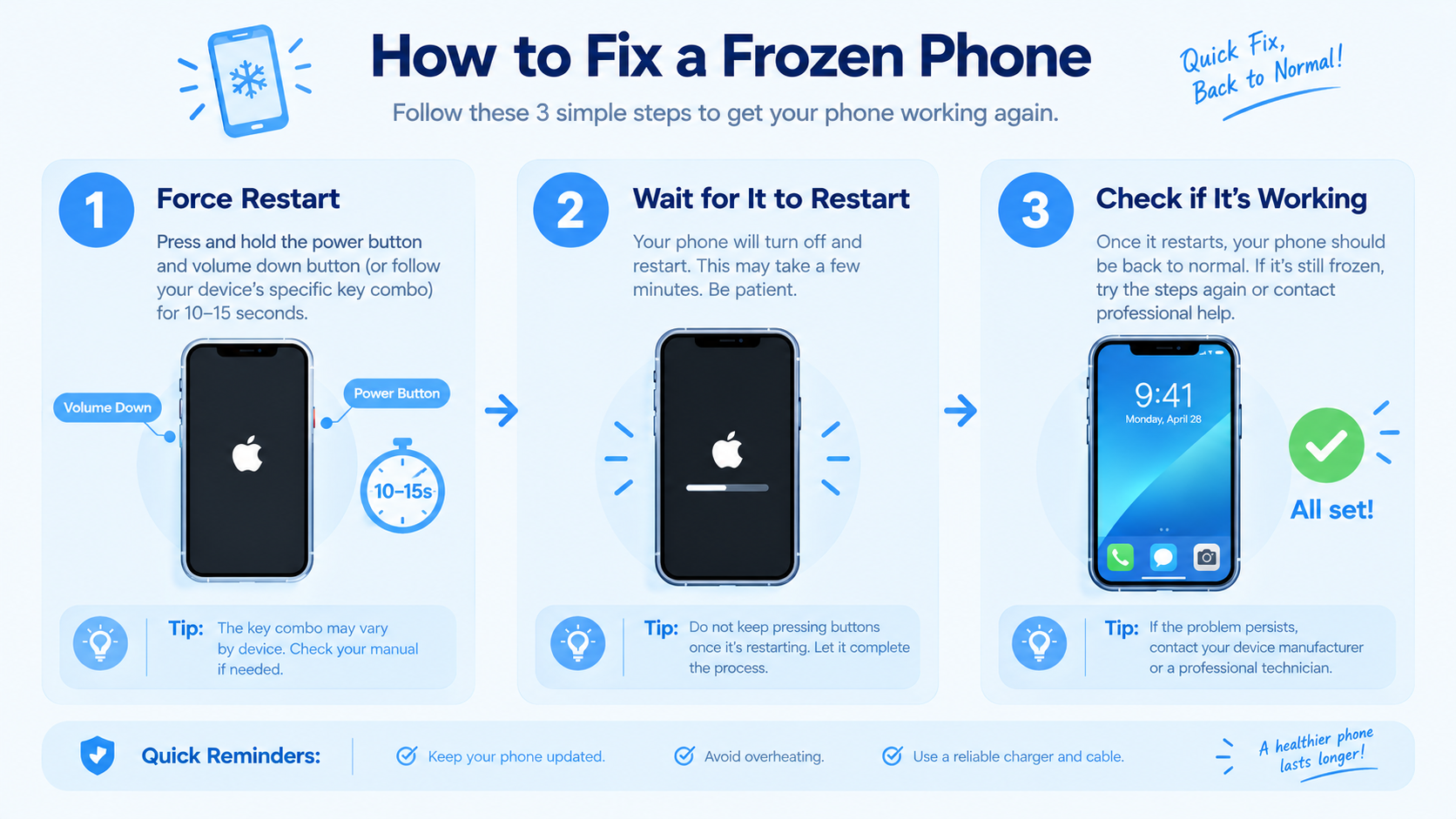
Temporary software caches or background process glitches are a top reason for Google Assistant unresponsiveness. A simple restart clears these glitches and resets the assistant’s connection. For Android or iOS mobile users, close the Google Assistant app (swipe it away from your recent apps list) and restart your entire device. For smart devices like Nest Mini or Google Home, unplug the power cord for 30 seconds, then plug it back in and wait 1-2 minutes for it to boot fully. After rebooting, test the hotword again to see if Google Assistant responds. If you’re using the Assistant app on a phone, closing it and reopening it can also resolve minor app-specific bugs without a full device restart.
Fixing Connectivity Issues That Trigger Google Assistant Failures
Google Assistant requires a stable internet connection to process commands and access Google’s servers—without it, the assistant can’t function, leading to the “not responding” error. Connectivity problems range from weak Wi-Fi signals to network configuration issues, and resolving them is key to getting your assistant back online.
Verify Network Stability for Your Device
First, confirm your device is connected to a working network. For Wi-Fi-enabled devices, run a quick speed test: Google Assistant needs a minimum of 1 Mbps upload/download speed for basic commands. If your signal is weak, move closer to your router or check if other devices on the same network are experiencing issues. For mobile users, ensure you have a strong 4G or 5G signal, and that mobile data is enabled if you’re not on Wi-Fi. Smart home devices often disconnect from Wi-Fi during router updates, so double-check the network pairing in the Google Home app.
- Toggle Airplane Mode on and off to reset your network connection, which can resolve temporary signal drops or IP address conflicts.
- Disable any active VPNs or proxy servers, as these can block Google Assistant’s access to Google’s servers and cause unresponsiveness.
- Check your internet service provider’s status page for outages in your area—if the network is down, Google Assistant will fail to respond until service is restored.
Update Settings and Software to Resolve Persistent Google Assistant Issues
If quick fixes and connectivity checks don’t work, the problem may lie in outdated software or misconfigured Google Assistant settings. Outdated apps or operating systems often have bugs that prevent the assistant from working correctly, while incorrect preferences can trigger unexpected failures.
Update the Google App and Device Operating System
The Google app is the backbone of Google Assistant, so an outdated version can cause compatibility issues. On Android, open the Google Play Store, search for “Google”, and tap Update if the option is available. On iOS, update the Google Assistant app via the App Store. For smart devices like Nest speakers, check for firmware updates in the Google Home app: go to Devices > select your smart device > Settings > Device info to see if an update is pending. Additionally, update your device’s operating system: on Android, go to Settings > System > Software Update; on iOS, go to Settings > General > Software Update. These updates often include patches for bugs that cause Google Assistant not responding.
Reset Google Assistant Preferences
Misconfigured assistant settings, like altered hotword sensitivity or disabled features, can lead to unresponsiveness. Resetting the assistant’s settings to default resolves these misconfigurations without deleting your personal data. To do this: open the Google app, tap your profile icon in the top-right corner, select Settings > Google Assistant > General, then toggle off “Google Assistant”. Wait 10 seconds, then toggle it back on. This will reset temporary settings, including hotword sensitivity and voice model preferences, often fixing persistent issues. For mobile users, you can also re-record your voice model in Google Assistant settings to improve hotword detection accuracy.
When Google Assistant not responding, the solution starts with simple checks: verifying microphone access, restarting your device, and confirming a stable internet connection. If these steps don’t work, updating the Google app and device software or resetting assistant preferences will resolve most remaining glitches. By following this structured approach, you can quickly diagnose and fix the issue, ensuring Google Assistant works reliably to support your daily tasks, from managing your schedule to controlling your smart home. Remember, most problems with virtual assistants are temporary and easy to address, so you won’t have to wait long to get back to using this helpful tool.
Everything above about “Google Assistant not responding” is originally written by our editorial team. Reproduction is strictly prohibited.