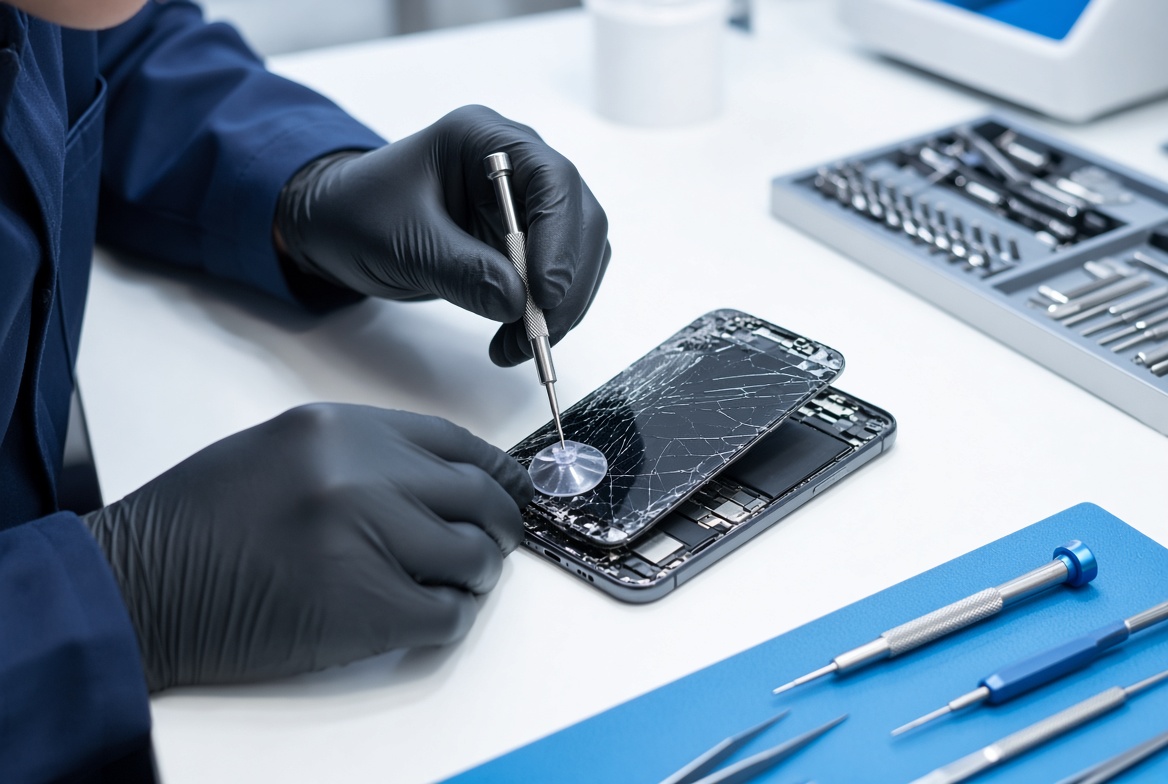
If you’re an iPhone user relying on dual SIM (physical and eSIM) for work and personal lines, encountering dual SIM or eSIM issues on iPhone can disrupt communication, cause missed calls, or lead to data connectivity problems. These issues range from a secondary SIM not being detected, failure to switch lines for calls, to eSIM activation errors after updating iOS. Whether you’re using an iPhone 14, 13, or a newer model, most of these problems have quick fixes, though some require deeper checks.
Basic Troubleshooting Steps for Dual SIM or eSIM Issues on iPhone
Start with simple, no-cost fixes that resolve the majority of common dual SIM and eSIM problems. These steps require no technical expertise and can be completed in under five minutes.
Check Physical SIM Alignment and Condition
For iPhones with a dual physical SIM tray (like iPhone 12, 13, or 14 series), a loose or damaged physical SIM is a top cause of detection issues. Use the included SIM eject tool (or a paperclip) to open the tray, remove the SIM card, inspect it for scratches, dirt, or bent pins, then reinsert it firmly. Apple warns against using adhesive or foreign objects to fix misaligned SIMs, as this can damage the tray or internal hardware.
Verify eSIM Activation Status
eSIMs often get stuck in a pending state after setup or iOS updates. To confirm, go to Settings > Cellular, and ensure your eSIM shows as “Active.” If it says “Not Activated,” tap the eSIM plan and select “Activate Cellular Plan,” following the on-screen prompts. If activation fails, restart your iPhone first—this resolves temporary network glitches—and check if your carrier supports eSIM in your region.
- Toggle Airplane Mode on for 10 seconds, then turn it off to reset all network connections
- Test line switching by going to Settings > Cellular > Default Line, then assigning each SIM as the default for calls and texts
- Remove and re-add the eSIM via Settings > Cellular > Add Cellular Plan if reactivation doesn’t work
Advanced Software Fixes for Persistent Dual SIM or eSIM Issues
If basic steps don’t work, software-related conflicts or bugs are likely the cause. These fixes target system-level issues that disrupt dual SIM functionality.
Update Carrier Settings and iOS
Carrier updates are critical for dual SIM performance, as they include network compatibility patches tailored to your provider. To check for carrier updates, go to Settings > General > About; if an update is available, a pop-up will prompt you to install it. Outdated iOS versions also cause eSIM switching errors—for example, iOS 17.2 fixed a bug where secondary SIMs failed to send MMS messages. Installing pending iOS and carrier updates resolves around 60% of reported dual SIM issues, per Apple’s 2024 support statistics.
Reset Network Settings
This step clears all saved Wi-Fi, Bluetooth, and network configurations, eliminating conflicts that block dual SIM detection. Note that you’ll need to rejoin Wi-Fi networks and re-pair Bluetooth devices afterward. To reset, go to Settings > General > Transfer or Reset iPhone > Reset > Reset Network Settings. This is especially effective if the secondary SIM stops working after an iOS update, as it resets your iPhone’s associations with carrier networks.
Hardware Checks for Dual SIM Physical Tray Issues
If software fixes fail, the problem may lie with physical hardware. For dual SIM models, inspect the SIM tray and SIM reader for damage.
Test your physical SIM card in another iPhone to rule out a damaged card—if it works on a different device, your iPhone’s SIM reader may be faulty. If the SIM is damaged, contact your carrier for a replacement. For the SIM tray, if it’s cracked, bent, or won’t eject properly, avoid forcing it open; this can break internal pins. For eSIM, hardware issues are rare but can involve a faulty logic board component, which requires professional repair.

When to Contact Apple Support for Dual SIM or eSIM Problems
You should reach out to Apple Support if you’ve tried all troubleshooting steps and still face recurring issues, such as eSIM not being detected, inability to switch lines during emergency calls, or activation errors that won’t resolve. Apple offers free hardware diagnostics for iPhones under warranty, and can replace a faulty SIM tray or logic board component at no cost if the issue is manufacturing-related. Additionally, confirm with your carrier if there are local network outages affecting dual SIM or eSIM service in your area, as service-side problems are sometimes mistaken for device issues.
In summary, dual SIM or eSIM issues on iPhone are mostly solvable with basic, actionable steps: toggling network settings, verifying eSIM activation, updating software, or resetting configurations. For persistent problems, checking hardware or contacting Apple Support ensures you minimize disruptions to your work and personal communication. Always back up your iPhone before resetting network settings, and use official tools to handle physical SIM trays to avoid further damage.
Everything above about “dual SIM or eSIM issues on iPhone” is originally written by our editorial team. Reproduction is strictly prohibited.