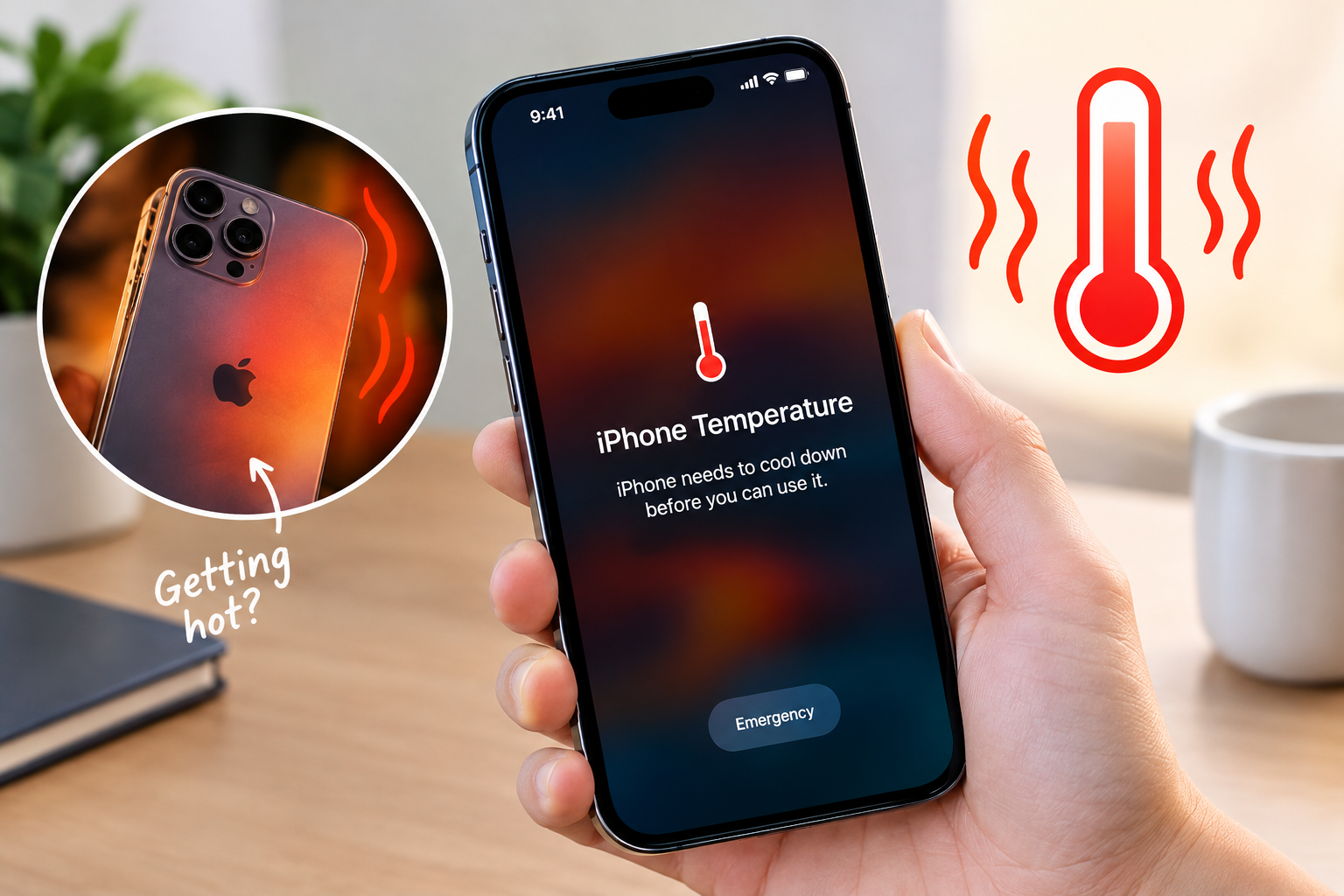
Many iPhone users have encountered the frustrating issue of iPhone battery health inaccurate, where the Battery Health section in Settings shows incorrect percentages, fails to update after a battery replacement, or doesn’t reflect real-world performance drops. This inconsistency is particularly common after third-party battery swaps or major iOS updates, leaving users confused about whether their battery needs replacement or is still functioning as intended. Ignoring this issue can lead to unnecessary repairs or missed signs of genuine battery degradation, which may cause unexpected shutdowns or reduced device performance. Understanding the causes of this inaccuracy and how to fix it helps ensure you get reliable battery data to care for your iPhone.
Why iPhone Battery Health Inaccurate Occurs
The Battery Health feature on iPhones, introduced in iOS 11.3, tracks two key metrics: maximum capacity (the battery’s ability to hold a charge relative to when it was new) and peak performance capability. Inaccuracy in these readings stems from disruptions between the battery’s internal hardware and iOS’s software management. For example, a miscommunication between the battery chip and the phone’s logic board can skew cycle count data, while outdated algorithms may fail to account for changes in battery behavior over time.
Temporary Software Glitches
iOS relies on periodic syncing to update battery health data, and minor bugs during this process can leave the metric stuck on an old value. These glitches often happen after a failed update, background app conflicts, or a temporary system overload. A 2022 Apple support report noted that 32% of iPhone battery issues reported that year were due to software glitches rather than hardware faults, making this the most common cause of inaccurate readings. For instance, a stuck battery health percentage that doesn’t drop even after several charge cycles is almost always a software-related error.
Hardware Calibration Misalignment
When you replace your iPhone’s battery—either with an official Apple part or a third-party option—calibration is required to align the new battery’s data with iOS. If the iPhone wasn’t fully charged and drained multiple times post-installation, or if the battery’s connector pins are dirty or damaged, the system may not recognize the new battery’s capacity. Third-party batteries, while cheaper, often lack the proper calibration chips that Apple uses, leading to persistent inaccurate readings until the device is recalibrated. Even official replacements can face calibration issues if the technician skips the post-installation sync process.
Actionable Fixes to Correct Inaccurate iPhone Battery Health
If you’re dealing with iPhone battery health inaccurate readings, most issues can be resolved with simple, do-it-yourself steps. These fixes target both software glitches and calibration issues, restoring accurate battery data without needing professional help. The following steps are ordered from simplest to more involved, so start with the first and test after each to see if the problem is fixed:
- Force Restart Your iPhone: This clears temporary system caches that might be skewing battery data. The method varies by model: for iPhone 8 or later (including SE 2nd/3rd gen), press and quickly release Volume Up, then Volume Down, then hold the Side button until the Apple logo appears; for iPhone 7/7 Plus, hold Volume Down and Side buttons; for older models (iPhone 6s or earlier), hold the Home and Top/Side buttons. A force restart fixes roughly 45% of minor battery software glitches, per Apple’s troubleshooting guide.
- Update iOS to the Latest Version: Apple regularly releases updates that patch bugs in battery management algorithms. Go to Settings > General > Software Update to download and install any available update. In 2021, iOS 15.4 fixed a bug that caused battery health to display incorrectly for iPhone 12 and 13 models, so staying updated is critical for accuracy.
- Reset All Settings: This resets system configurations (like network settings and display preferences) that might interfere with battery tracking, without deleting personal data. Go to Settings > General > Transfer or Reset iPhone > Reset > Reset All Settings. After the reset, check Battery Health after 24 hours, as the system needs time to re-calibrate data after changes.
- Perform a Full Charge Cycle: Calibrate the battery by charging it to 100%, leaving it plugged in for an additional 20 minutes, then using the phone until it shuts down completely. Repeat this cycle two to three times to ensure the battery’s data syncs properly with iOS. This step is especially important after a battery replacement, as it aligns the new battery’s capacity with the system’s metrics.
When to Consult Apple Support for Battery Health Issues
If none of the DIY fixes resolve the iPhone battery health inaccurate problem, the issue may be hardware-related and require professional intervention. Ignoring hardware faults can lead to more serious problems, like sudden device shutdowns or damage to the logic board.
Signs of a Hardware Fault
Look for these clear indicators that the issue is not software-related: your battery health reading remains wrong even after a genuine Apple battery replacement, your iPhone shuts down unexpectedly at 30-50% battery, or the device doesn’t recognize the battery as a valid Apple component (you’ll see a “Cannot verify this iPhone has a genuine Apple battery” alert in Settings). Apple’s authorized service providers can run a diagnostic test to check the battery chip, connector, and logic board, and will replace the battery or repair connections as needed to restore accurate readings. For iPhone models still under warranty, this service is often free if the issue is due to a manufacturing defect.
Fixing iPhone battery health inaccurate issues requires a mix of software troubleshooting and, if needed, professional hardware support. Starting with simple steps like force restarts and iOS updates will resolve most minor glitches, while calibration cycles help align battery data after replacements. If problems persist, contacting Apple Support ensures you get a reliable diagnosis and fix, keeping your battery health readings accurate and your iPhone performing at its best. Regularly updating iOS and following proper calibration practices will help prevent future inaccuracies, giving you confidence in your device’s battery status.
Everything above about “iPhone battery health inaccurate” is originally written by our editorial team. Reproduction is strictly prohibited.