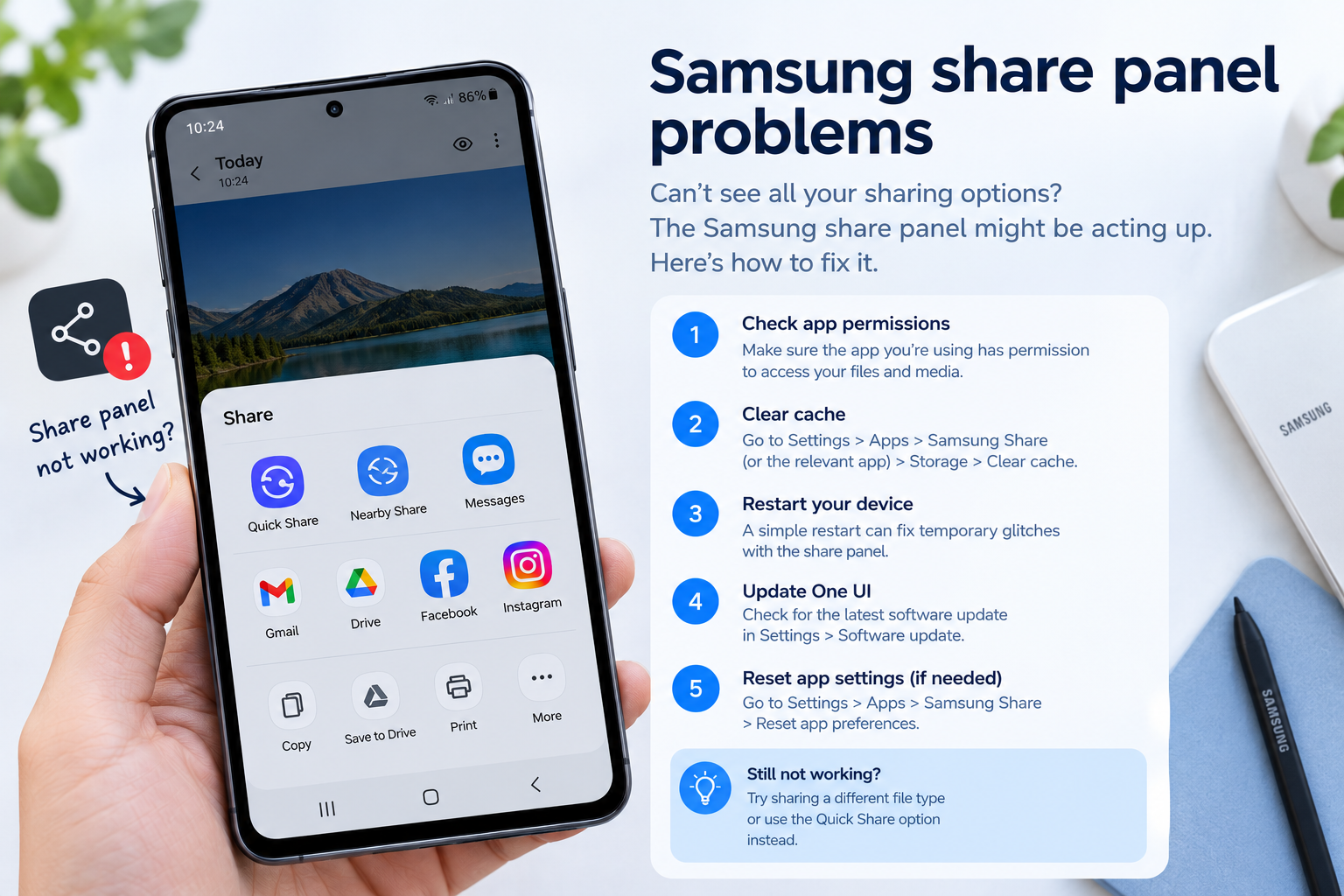
Samsung Edge lighting or notification light issues are a frequent complaint among Galaxy smartphone users, as the edge lighting feature—designed to illuminate the device’s screen edges for incoming calls, text messages, and app alerts—often fails to trigger, appears inconsistent, or doesn’t align with custom preferences. For many, this disrupts the convenience of being notified without constantly checking the screen, making resolving these glitches a top priority. The good news is that most edge lighting and notification light problems can be fixed with simple, at-home adjustments, no professional repair needed.
Verify Core Edge Lighting Settings (Beginner-Friendly Fixes)
Before diving into advanced solutions, start with the most common causes of Samsung Edge lighting or notification light issues, which often stem from misconfigured settings. Many users accidentally toggle off edge lighting or restrict its functionality without realizing it, leading to missing alerts. For example, some Galaxy models require explicit permission for edge lighting to activate for non-Samsung apps, so confirming these settings is critical.
Ensure Edge Lighting is Enabled for Notifications
The first step is to double-check that edge lighting is turned on and set to trigger for all relevant apps. Navigate to your device’s Settings > Display > Edge screen > Edge lighting. Here, toggle the main switch to “On,” then look for an option like “Apply to notifications” and ensure that is also enabled. If you only want edge lighting for specific apps, tap “Manage apps” and select which apps (like WhatsApp, Instagram, or SMS) should activate the feature—missing an app from this list is a top reason alerts don’t appear.
Adjust Brightness and Animation Styles
Dim or static edge lighting is another common issue, often fixed by tweaking brightness and animation settings. In the same Edge lighting menu, use the brightness slider to increase the intensity if the light is too faint to see. If the animation feels glitched or stops mid-cycle, try switching between styles like “Pulse,” “Glow,” or “Wave” to rule out a corrupted animation preset. For some users, disabling “Show on lock screen” temporarily can resolve conflicts if the edge light is overlapping with other lock screen elements.
Advanced Troubleshooting for Persistent Edge Lighting Issues
If basic settings checks don’t resolve your Samsung Edge lighting or notification light issues, it’s time to dig deeper into software-related glitches that may be interfering with the feature. These issues often stem from corrupted cache files, outdated software, or conflicting third-party apps, and require slightly more steps to fix.
Clear Cache for Edge Screen and System Apps
Corrupted cache files for Samsung’s Edge Screen app or the Settings app are a leading cause of unexpected edge lighting behavior. To fix this, go to Settings > Apps > See all apps, then search for “Edge Screen” in the list. Tap Storage, then select “Clear cache” (avoid “Clear data” as this will reset your edge lighting preferences). Repeat this process for the “Settings” app if issues persist, as cached data here can also disrupt notification handling.
Install the Latest System Software Updates
Outdated firmware is a frequent culprit for Samsung Edge lighting or notification light issues, as Samsung regularly releases updates that patch bugs related to notification delivery. To check for updates, go to Settings > Software update > Download and install. If an update is available, install it—this may require a restart, but often resolves hidden glitches that prevent edge lighting from activating. For users with older Galaxy models, a minor update may also re-enable features that were disabled in prior versions.
- Third-party messaging apps like WhatsApp, Telegram, or Signal often have their own notification priority settings that can override Samsung’s edge lighting rules, so adjust their alert settings to allow background activity.
- Battery saver or power optimization tools (both native and third-party) can restrict edge lighting by limiting background app processing; add frequently used apps to the “Unmonitored apps” list in Settings > Battery and device care.
- Custom launchers like Nova Launcher or One UI alternatives may alter system notification paths, leading to edge lighting failures—try switching back to Samsung’s default launcher to test if this resolves the issue.
Fixing Physical Notification Light Issues (Separate from Edge Lighting)
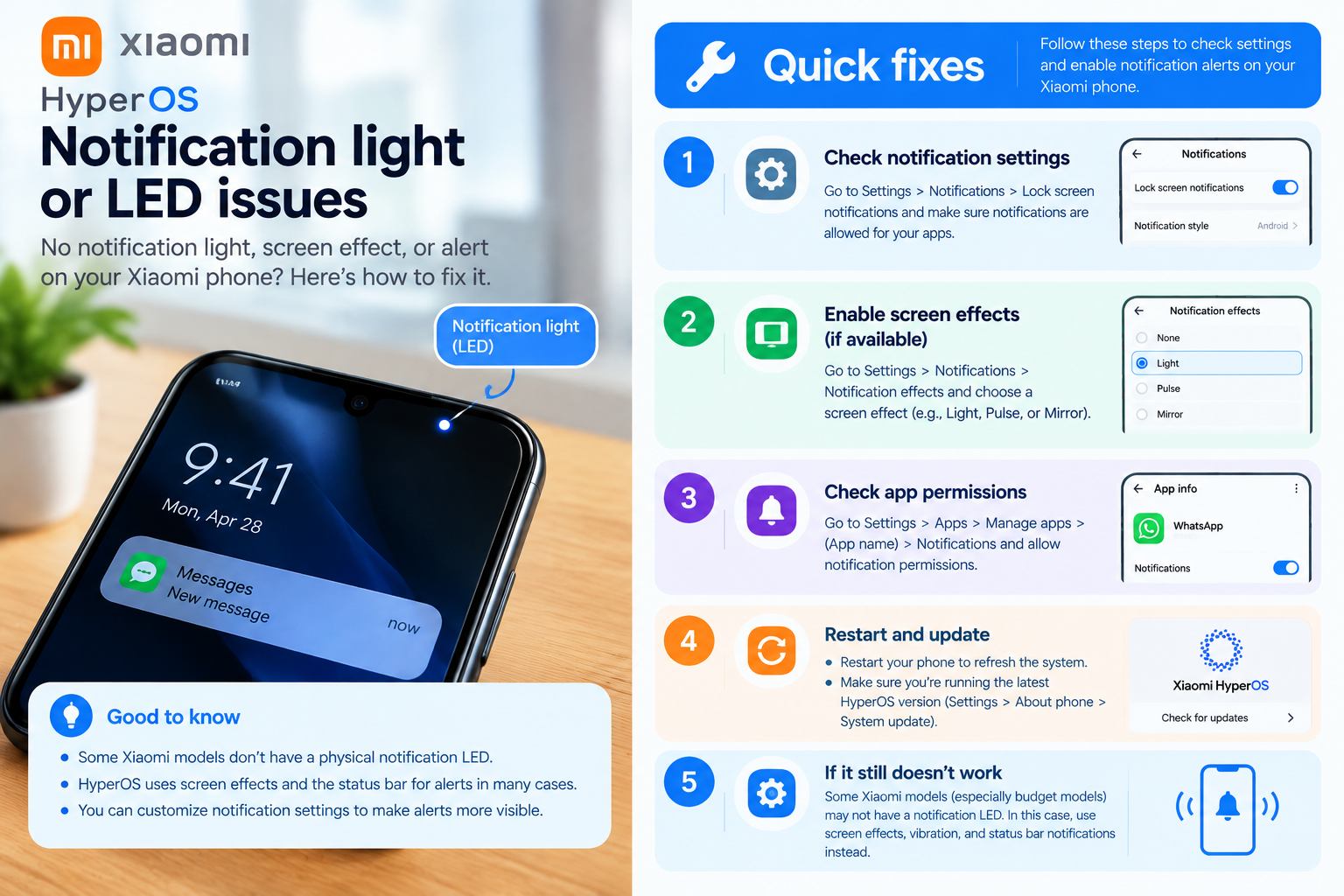
Some users confuse edge lighting with the device’s physical LED notification light, which is a small light on the front of the phone for missed alerts. Samsung Edge lighting or notification light issues can apply to both, so if your physical light isn’t working, these steps will help.
Enable LED Notification Light in Settings
Physical notification lights are often disabled accidentally, so navigate to Settings > Notifications > Notification light. Toggle the switch to “On,” then customize colors for different app alerts—for example, red for missed calls, blue for text messages. If you don’t see this option, it may be hidden: go to Advanced settings > Notifications > Notification light, depending on your Galaxy model.
Disable Battery Saver and Dark Mode
Battery saver mode is designed to conserve power by limiting non-essential features, including the notification LED. If your LED light isn’t activating, turn off battery saver temporarily (via Quick Settings or Settings > Battery and device care) to test. Similarly, dark mode can dim or disable the LED in some cases; switch to light mode for a few minutes to see if the light returns, or adjust dark mode settings to exclude notification lights.
When to Contact Samsung Support for Edge Lighting Issues
In rare cases, Samsung Edge lighting or notification light issues may be hardware-related, such as a faulty edge panel sensor or physical LED damage. If you’ve tried all software fixes and the problem persists, it’s time to reach out to Samsung support. Common hardware red flags include edge lighting not appearing at all even when settings are correct, or the physical LED flickering or not turning on.
Resolving Samsung Edge lighting or notification light issues is mostly straightforward, thanks to the range of troubleshooting steps available for Galaxy users. Start with basic settings checks like enabling edge lighting and adjusting brightness, then move to clearing cache or updating software for persistent problems. For physical LED issues, confirm settings and disable power-saving modes before checking for hardware faults. By following these steps, you can restore the convenience of edge lighting or notification alerts and ensure you never miss an important update again.
Everything above about “Samsung Edge lighting or notification light issues” is originally written by our editorial team. Reproduction is strictly prohibited.