
The Samsung black screen of death is a frustrating and common issue that plagues millions of Galaxy smartphone and tablet users, leaving their devices unresponsive with a completely dark display even when powered on. This problem can strike unexpectedly—whether right after a system software update, following an accidental drop or liquid exposure, or gradually as the device ages due to component wear. For many users, this issue means losing access to photos, messages, and apps, making resolving it a top priority. The good news is that most cases of the Samsung black screen of death can be fixed with simple DIY steps, while others require targeted repairs from professionals.
Basic DIY Fixes to Resolve Samsung Black Screen of Death
Before diving into complex solutions, start with these quick, non-invasive steps to rule out temporary glitches that often cause the Samsung black screen of death. These methods don’t risk data loss, making them ideal for first-time troubleshooting.
Force a Restart (Soft Reset)
Temporary software bugs or frozen processes are the most common cause of the Samsung black screen of death, and a force restart can clear these issues in seconds. This action bypasses the unresponsive display to reboot the device, and it doesn’t erase any stored data like photos, messages, or apps. For most modern Samsung devices (including Galaxy S24, A54, and Note 20 series), hold the Power button and Volume Down button simultaneously for 10 to 15 seconds until the Samsung logo appears on the screen. For older models, you may need to press and hold Power + Home + Volume Down buttons instead.
Verify Your Device’s Charging Connection
A drained battery or faulty charging setup is often misidentified as the Samsung black screen of death. If your device won’t turn on despite being plugged in, check for issues with the charger, cable, or charging port. Start by using a Samsung-certified USB cable and wall adapter—non-certified chargers may not deliver enough power to wake a completely drained battery. Let the device charge for 15 to 20 minutes, then try forcing a restart again. If the screen remains dark, test the charger on another compatible device to confirm it works, as a faulty charger is a common culprit.
- Inspect the charging port for debris (lint, dust, or pocket fluff) that can block the connection; gently clean it with a soft toothbrush or compressed air to avoid damaging internal pins.
- Remove thick phone cases or screen protectors that may be pressing against the screen or blocking the charging port, preventing proper functionality.
- If you’re using a wireless charger, ensure it’s placed on a flat, stable surface and that the device’s back is aligned correctly with the charger’s coil.
Software-Related Fixes for Persistent Samsung Black Screen of Death
If basic fixes don’t resolve the issue, the problem likely stems from corrupted system files or a problematic third-party app, which requires deeper software troubleshooting. These steps target software-specific causes and are designed to preserve your data where possible.
Boot Your Samsung Device Into Safe Mode
Safe Mode disables all downloaded third-party apps, leaving only pre-installed system apps running. This allows you to test if a recently installed app is causing the Samsung black screen of death. To enter Safe Mode, hold the Power button until the power menu appears, then long-press the "Power Off" option until a prompt to enter Safe Mode pops up. Tap "OK" to confirm, and your device will restart in Safe Mode. If the screen works normally in Safe Mode, uninstall each new app one by one until the issue disappears—this will help you identify the problematic app.
Factory Reset (Backup Your Data First)
If malware or severely corrupted system files are the root cause, a factory reset may fix the Samsung black screen of death, but it will erase all data on your device. This should only be a last resort, after you’ve backed up all important files to Samsung Cloud, Google Drive, or an external storage device. To perform a factory reset, enter the device’s recovery mode: turn off the device, then press and hold the Volume Up, Power, and Home buttons (for older models) or Volume Up + Power (for newer Galaxy devices like S23 or A series). Use the volume keys to navigate to "Wipe Data/Factory Reset" and select it with the Power button, then confirm the action. Once complete, your device will reboot with fresh system files.
Hardware-Related Causes and Fixes for Samsung Black Screen of Death
If software fixes fail, the issue is likely hardware-based, often due to physical damage, component wear, or liquid exposure. These issues require physical checks and may need professional repair.
Damaged Screen or Loose Internal Connector
A cracked or damaged display screen is a common hardware cause of the Samsung black screen of death, especially if the device was dropped or impacted recently. Even minor cracks can disrupt the connection between the screen and internal components, leading to a dark display. If you notice visible cracks on the screen, a screen replacement may be necessary. Another less obvious issue is a loose display connector—over time, drops or impacts can loosen this connection, causing the screen to stop working. Attempting to open the device to re-seat the connector is not recommended for beginners, as this can cause further damage to fragile internal parts.
Faulty Battery
As Samsung device batteries age (usually after 2-3 years of use), they degrade, lose capacity, and can develop internal faults that lead to the Samsung black screen of death. Signs of a faulty battery include rapid battery drain, the device overheating even when idle, or a swollen battery (visible as a bulging back panel). A certified technician can test the battery’s health and voltage to confirm if it’s faulty. Replacing the battery is a relatively straightforward repair for most Samsung devices and often resolves the black screen issue without needing a full screen replacement.
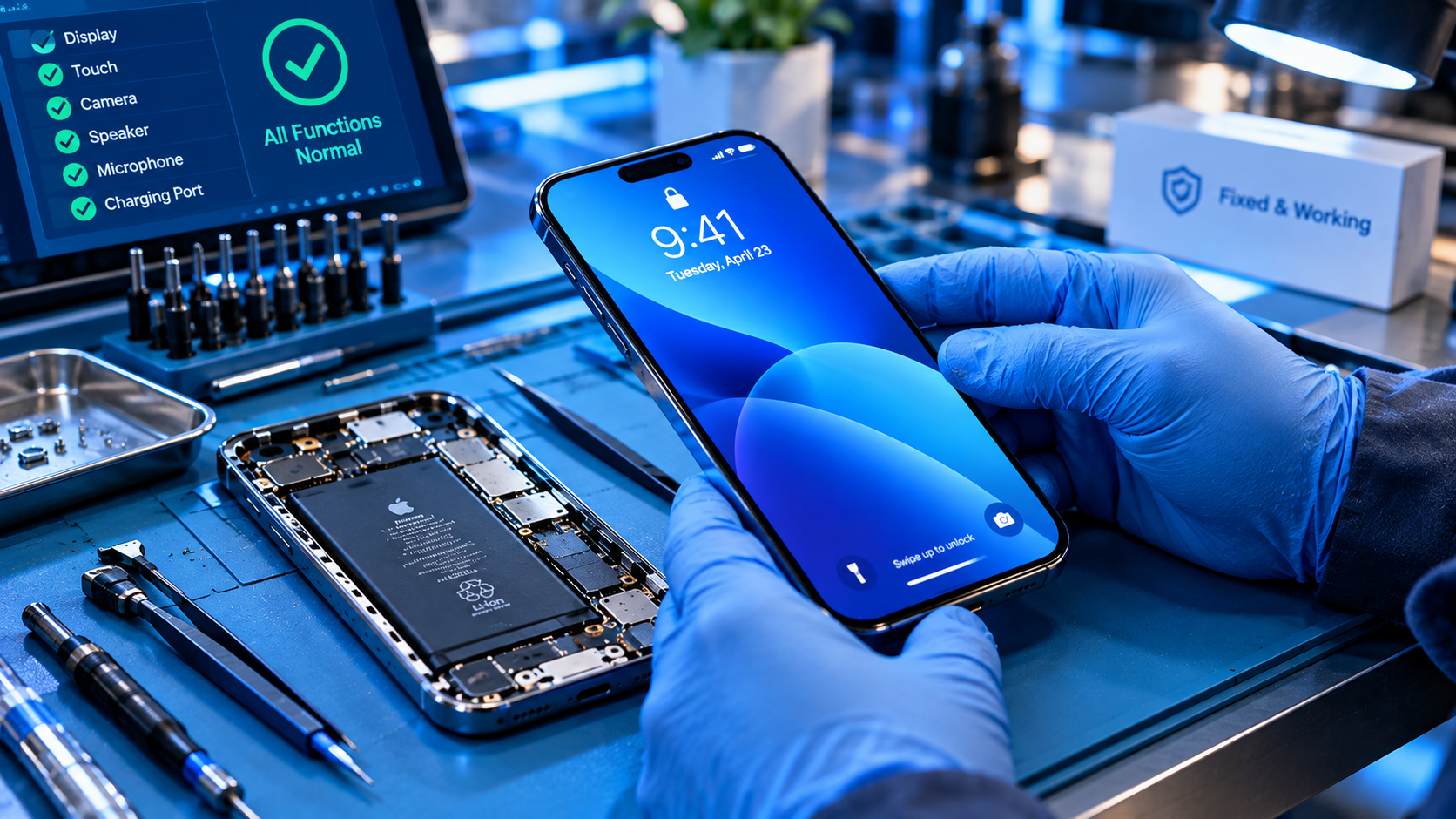
When to Seek Professional Help for Samsung Black Screen of Death
Some cases of the Samsung black screen of death are too complex for DIY fixes, and attempting to repair them yourself can void your warranty or cause permanent damage to the device. Knowing when to reach out to a professional saves time and prevents additional costs.
- Your device is still under Samsung’s manufacturer warranty: Check via the Samsung Support portal using your device’s IMEI number; if eligible, repairs may be free or discounted.
- The device shows signs of liquid exposure, such as a pink or red tint on the inner screen or a moisture indicator in the charging port, which can cause internal corrosion that requires specialized cleaning.
- All DIY steps (restarts, Safe Mode, factory reset) failed, indicating a more serious issue like a damaged motherboard or display driver chip.
Attempting to open the device yourself in these cases can worsen the problem, so it’s best to contact Samsung’s official repair service or a certified third-party technician who has experience with Samsung devices.
The Samsung black screen of death is a widespread issue with solutions tailored to its root cause. Start with simple steps like force restarts and charging checks to rule out temporary glitches, then move to software fixes like Safe Mode to identify problematic apps. For persistent issues, software troubleshooting like factory resets can help, but always back up data first. If hardware issues are suspected, or if DIY steps fail, professional repair is the safest option to restore your device without further damage.
Everything above about “Samsung black screen of death” is originally written by our editorial team. Reproduction is strictly prohibited.