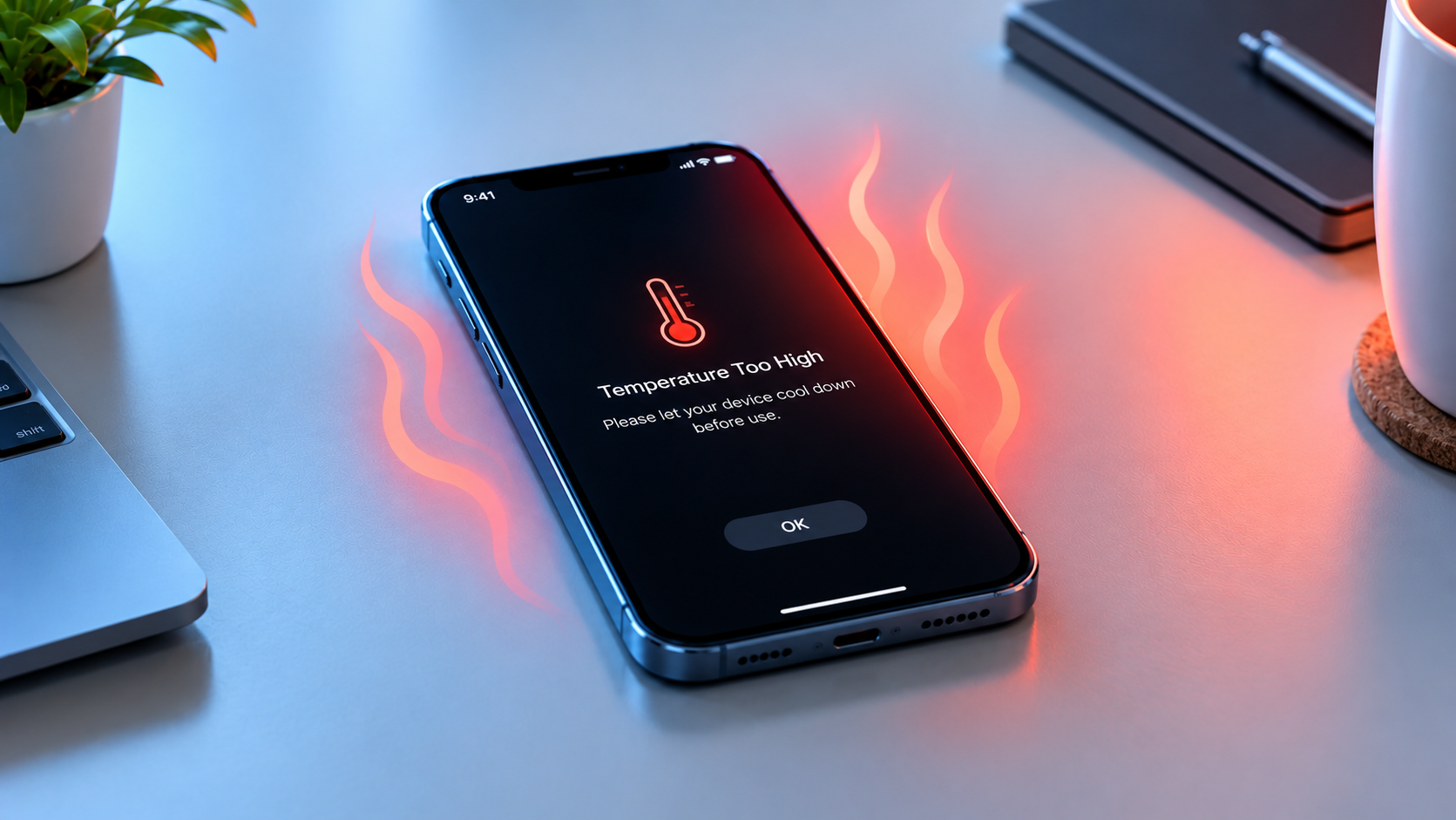
Samsung Quick Settings or Control panel problems is the central topic of this article, and the following content explains the key points, practical uses, and decisions around it.
For Samsung Galaxy users, the Quick Settings panel is a lifeline for adjusting critical device settings—from toggling Wi-Fi and Bluetooth to adjusting screen brightness, turning on Do Not Disturb, or launching camera shortcuts—all with a single swipe down from the top of the screen. However, when this essential feature malfunctions, it disrupts daily usability, making it hard to access core functions quickly. That’s where understanding how to fix Samsung Quick Settings or Control panel problems becomes critical. Whether you’re dealing with unresponsive toggles, missing options, or the panel failing to open entirely, most issues can be resolved with simple troubleshooting, without needing to visit a service center.
Common Causes of Samsung Quick Settings or Control Panel Problems
Several underlying issues can trigger glitches in the Quick Settings panel, ranging from minor software errors to user customization choices. Identifying the root cause is the first step toward effective repairs.
Software Cache Corruption and Minor Glitches
One of the most frequent culprits behind Samsung Quick Settings or Control panel problems is corrupted cache data. The Quick Settings panel stores temporary cache files to load toggles and settings quickly; over time, these files can become outdated or damaged, leading to errors like missing toggles, delayed loading, or the panel crashing when accessed. This often happens after a One UI update, where new code conflicts with old cache files, or when the device runs low on storage space, preventing proper cache management.
Accidental Toggle Customization or Hidden Options
Another common cause is users accidentally hiding or disabling toggles in the Quick Settings editor. Samsung allows users to long-press the panel to rearrange, add, or remove toggles, and after a system update or a random tap, favorite toggles like screen recording, dark mode, or location services may go missing. This is a relatively simple fix if you know how to access the editor, but many users don’t realize their customization choices are the source of the problem.
Third-Party Apps Interfering with System Settings
Sometimes, Samsung Quick Settings or Control panel problems are caused by third-party apps that modify system settings in the background. Apps like battery saver tools, custom launchers, or even certain security apps may conflict with the Quick Settings panel’s code, leading to unresponsiveness or missing toggles. For example, a launcher app that overrides system UI settings may prevent the native Quick Settings from loading properly. To test this, boot your device in Safe Mode—this disables all third-party apps, and if the Quick Settings works normally in Safe Mode, a downloaded app is the culprit. Uninstall the most recent apps you installed before the problem started to fix the conflict.
Basic Troubleshooting Steps to Resolve Quick Settings Issues
For most Samsung Quick Settings or Control panel problems, the solution starts with simple, quick fixes that don’t require advanced technical knowledge. These steps work for 70% of common issues, according to Samsung’s official support documentation. Below are the most effective basic steps:
- Clear the Quick Settings cache: Navigate to Settings > Apps > Show system apps > Find “Quick Settings” > Storage > Clear cache. This removes corrupted temporary files without deleting any personal data or settings.
- Restart your device: A simple restart resolves minor software glitches that often cause unresponsiveness in the Quick Settings panel. Samsung recommends this as the first step for any mobile issue, as it refreshes system processes.
- Check for pending One UI updates: Outdated software can lead to compatibility issues with the Quick Settings panel. Go to Settings > Software update > Download and install to install the latest available update, which includes bug fixes for control panel problems.
It’s important to note that clearing the Quick Settings cache is different from clearing the app’s data—never select “Clear data” unless instructed to do so, as this will reset all your custom toggle arrangements and personalized settings.
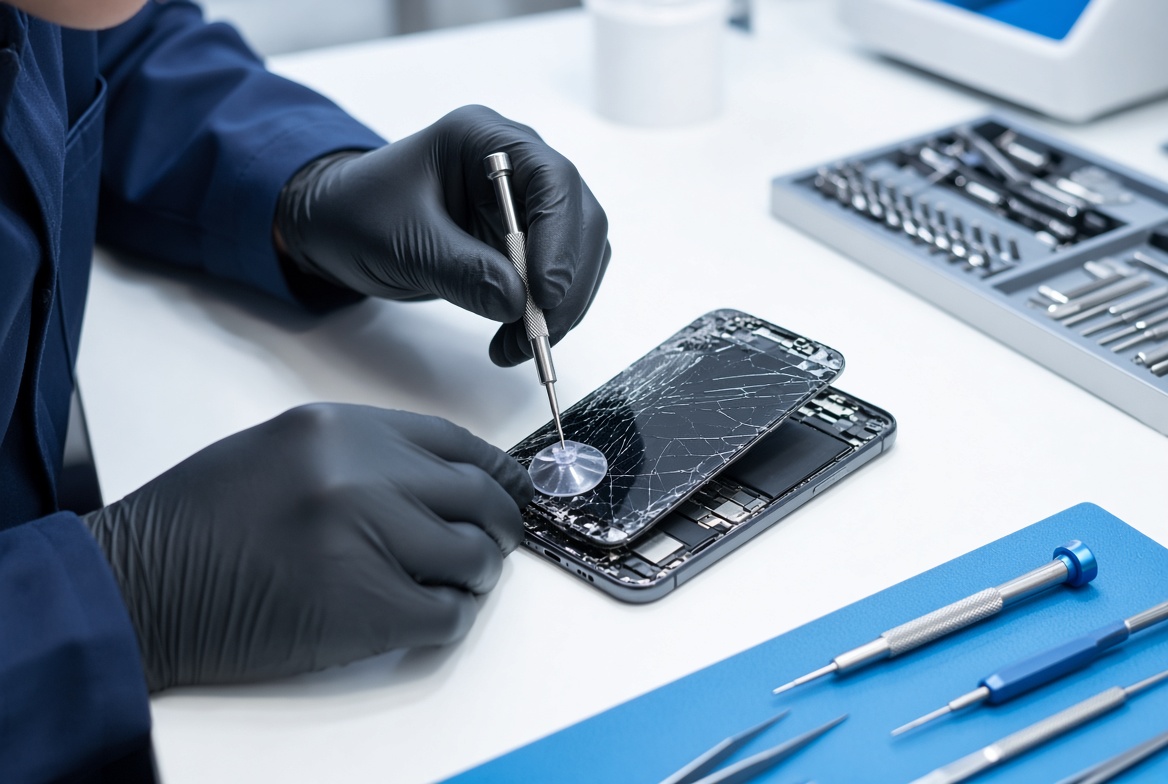
Advanced Fixes for Persistent Samsung Quick Settings or Control Panel Problems
If basic troubleshooting doesn’t resolve the issue, deeper fixes will address more complex software conflicts that affect the Quick Settings panel’s functionality.
Resetting App Preferences to Default Settings
Resetting app preferences can resolve hidden permission conflicts that often cause Samsung Quick Settings or Control panel problems. This action resets all app permissions, default apps, and background data settings to their original state, which often fixes issues where the control panel can’t access necessary permissions to function. For example, if your Wi-Fi toggle won’t connect to networks after an update, resetting app preferences restores the Quick Settings panel’s access to network-related system permissions. To do this, go to Settings > Apps > Menu icon (three dots in the top-right corner) > Reset app preferences. Note that this won’t delete any personal data, photos, or apps—it only resets system-related settings.
Factory Reset as a Last Resort
For persistent Samsung Quick Settings or Control panel problems that even advanced fixes can’t resolve, a factory reset is the final software-focused option. This wipes all data from your device, so it’s critical to back up your files (photos, messages, app data) to Samsung Cloud, Google Drive, or an external drive before proceeding. To reset, go to Settings > General management > Reset > Factory data reset and follow the on-screen prompts. After the reset, your device will restore to its original factory state, which often eliminates deep-seated software bugs causing control panel malfunctions. If you’re still facing issues after a factory reset, it’s likely a hardware problem, and you should contact Samsung support for professional assistance.
In conclusion, Samsung Quick Settings or Control panel problems can range from minor glitches to more complex software issues, but most are easily resolved with the right troubleshooting steps. Start with basic fixes like clearing the Quick Settings cache, restarting your device, or updating One UI to address common issues. If those don’t work, resetting app preferences or backing up data for a factory reset will usually fix persistent problems. By understanding the causes and following these steps, you can restore your Quick Settings panel to full functionality, making it easy to access your favorite device settings again.
Everything above about “Samsung Quick Settings or Control panel problems” is originally written by our editorial team. Reproduction is strictly prohibited.