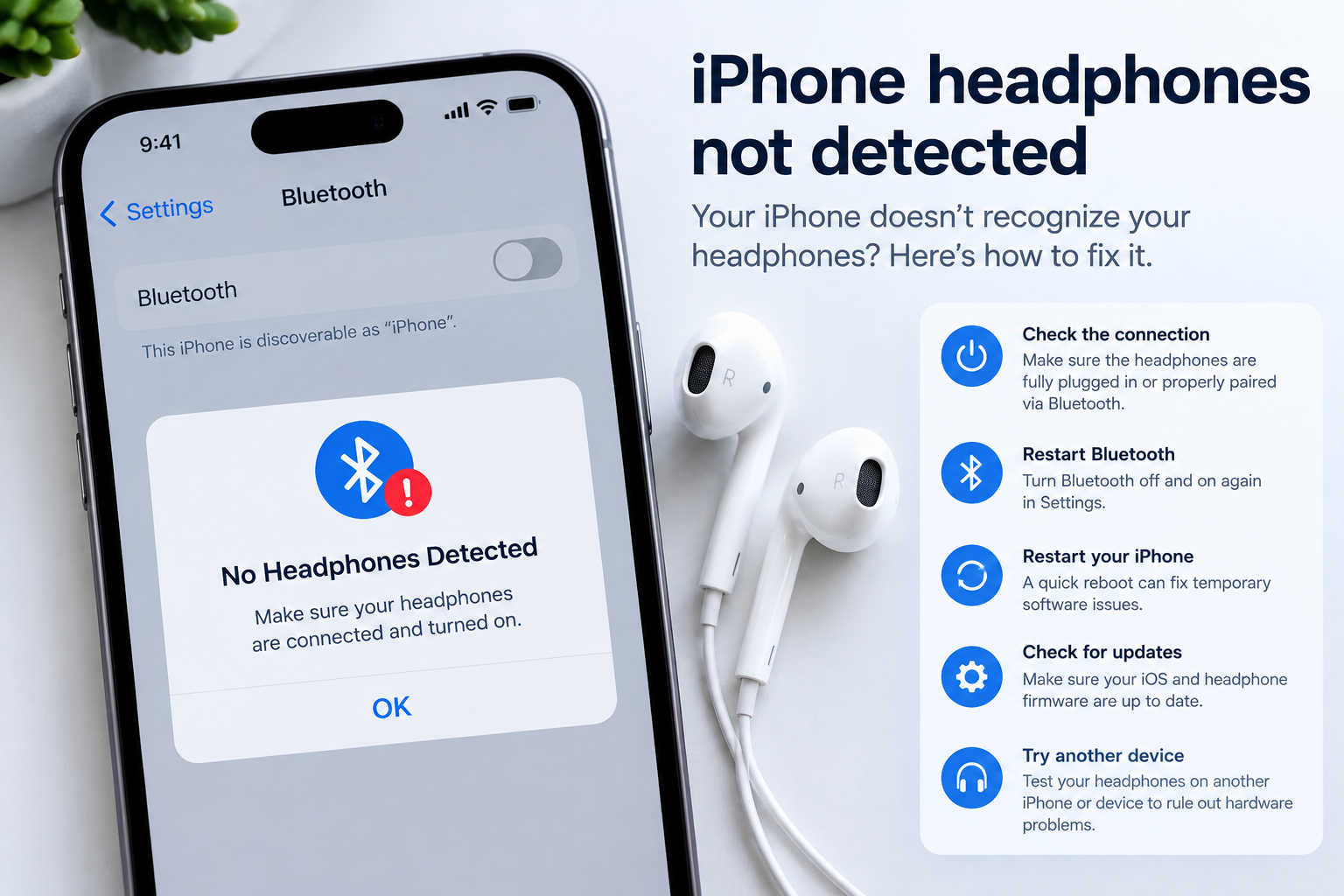
If you’ve ever noticed a faint, ghost-like image lingering on your phone, laptop, or TV screen after switching to new content, you’re likely encountering screen burn-in or image retention—common display issues that can affect OLED, plasma, and even some advanced LCD screens over time. While the terms are often used interchangeably, they have distinct causes and solutions, making it critical to know how to address each to keep your displays looking sharp.
Understand the Key Differences Between Burn-in and Image Retention
Screen Burn-in: Permanent Pixel Degradation
Screen burn-in is a permanent form of damage where individual pixels on OLED or plasma displays degrade unevenly. Unlike temporary issues, this occurs when static images—such as a TV channel logo, a phone’s taskbar, or a gaming HUD—remain in the same position for extended periods (often thousands of hours). A 2022 study by Display Supply Chain Consultants (DSCC) found that OLED screens with static elements displayed 12+ hours daily have a 30% higher risk of burn-in within two years.
Image Retention: Temporary Ghosting
Image retention, by contrast, is a reversible, temporary issue where pixels stay slightly activated after a static image is removed. This happens when pixels are overworked but not permanently damaged, typically after a paused video, a paused screen saver, or a long period of idle content. Most users see faint ghosting disappear within 10 to 30 minutes on its own, without needing external fixes.
Immediate Fixes to Resolve Image Retention Quickly
Use Built-in Pixel Refresh Tools
Nearly all modern OLED and QLED devices include dedicated pixel refresh or screen recalibration tools to fix temporary retention. These tools work by cycling pixels through brightness variations to reset their electrical charge, fading ghosting. For instance, Samsung’s Galaxy series has a "Pixel Refresh" feature in Settings > Display > Screen Health, while LG TVs offer a "Screen Refresh" option under the Support menu. Running this tool for 10 to 15 minutes usually resolves mild to moderate ghosting.
- Adjust your screen brightness: Keep brightness at 50-70% of maximum to reduce pixel stress—extremely bright or dim settings can accelerate retention issues.
- Disable persistent static elements: Turn off features like always-on display (AOD), taskbar icons, or gaming overlays that stay in one spot for hours.
- Let your screen rest: If you noticed ghosting after a long static session, power off your device for 1 to 2 hours to let pixels recover naturally.
Long-Term Preventive Measures to Avoid Recurrence
Optimize Display Settings for Static Content
To minimize the risk of both image retention and burn-in, avoid leaving static content in the same position for more than two hours at a time. For TVs, use screen savers that move slightly (instead of static black screens) when idle; for laptops, enable automatic display sleep after 15 to 20 minutes of inactivity. If you use a device with a persistent app icon bar, adjust its position monthly to distribute pixel usage evenly.
Invest in Matte Screen Protectors (For Mobile Displays)
Matte screen protectors not only reduce glare but also help prevent image retention by diffusing light across pixels, rather than concentrating it in fixed spots. A 2023 Consumer Reports study found that mobile users with matte protectors reported 25% fewer instances of image retention than those with glossy screens. Avoid overly thick protectors, as they can cause uneven pressure on pixels over time, leading to stress.
When Burn-in Requires Professional Repair
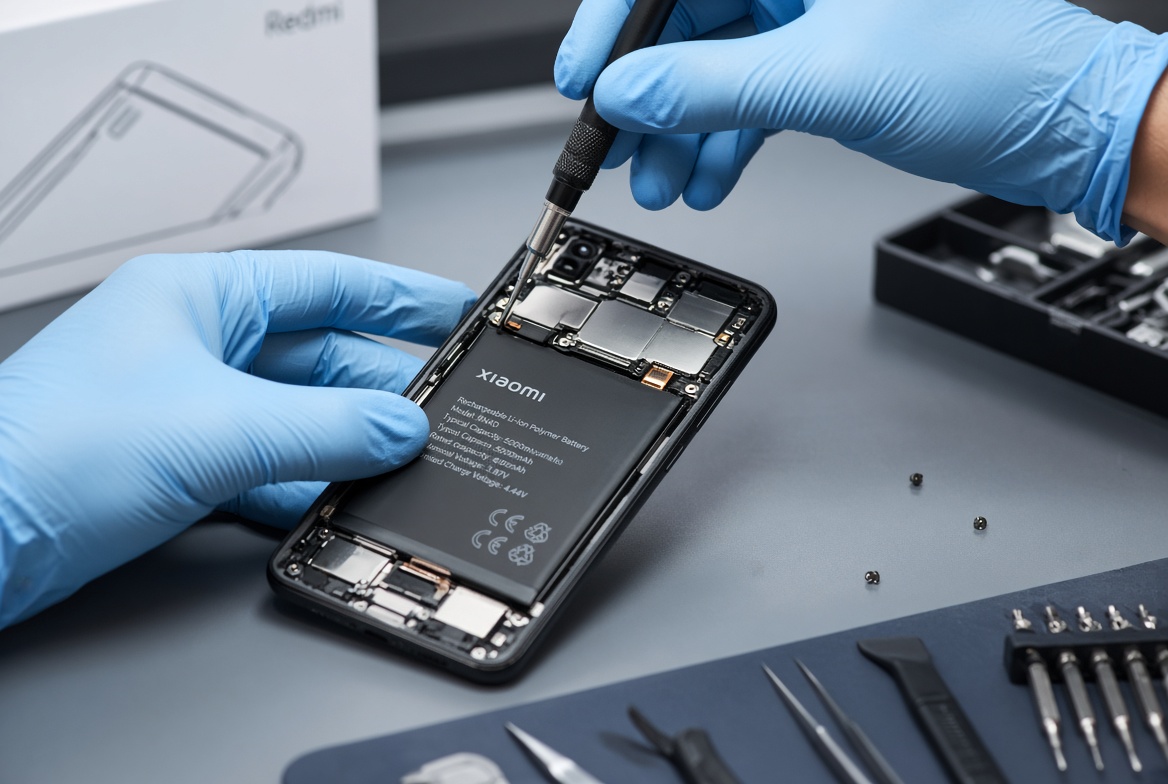
If you’ve tried all temporary fixes and preventive measures and the ghost image persists for more than three weeks, it’s likely permanent screen burn-in, not just image retention. For mobile devices, brands like Apple and Samsung offer specialized burn-in repair services for eligible models, often covering panel replacement. For TVs or monitors, professional display technicians can perform pixel balancing or partial panel replacements to reduce the visibility of permanent burn-in, though full recovery is rarely possible without a panel swap.
In summary, addressing screen burn-in or image retention starts with identifying which issue you’re dealing with: temporary ghosting can be fixed quickly with built-in tools and setting adjustments, while permanent burn-in requires professional intervention. By following preventive measures like optimizing static content positions and using matte protectors, you can extend the lifespan of your displays and avoid costly repairs down the line.
Everything above about “screen burn-in or image retention” is originally written by our editorial team. Reproduction is strictly prohibited.