
If you’ve ever noticed your Samsung smartphone slowing down mid-task, lagging during high-stakes gaming sessions, or shutting down unexpectedly, you might be experiencing Samsung thermal throttling. This built-in performance safeguard is designed to prevent internal components like the CPU and GPU from reaching dangerous temperatures, but when it triggers prematurely or excessively, it can severely disrupt your device’s usability. Understanding how thermal throttling works on Samsung devices, its common triggers, and how to fix it is critical to restoring consistent performance without risking long-term hardware damage.
What Causes Samsung Thermal Throttling?
Samsung’s thermal management system uses built-in sensors to monitor component temperatures, and it will reduce processing power once a pre-set threshold is hit. Several factors can push these thresholds to trigger unnecessarily, leading to frustrating performance drops.
Excessive Device Load
Modern Samsung devices, such as the Galaxy S24 Ultra and Galaxy Z Fold 5, are equipped with powerful chips like the Snapdragon 8 Gen 3 for Galaxy. When you run demanding apps—from 3D mobile games like *Genshin Impact* to 4K video editing software or augmented reality tools—the CPU and GPU generate significant heat. If your device can’t dissipate this heat quickly enough, Samsung thermal throttling kicks in, cutting clock speeds by 15-30% to lower temperatures. For example, a 2024 test by Android Authority found that the Galaxy S23 Ultra throttled by 22% after 20 minutes of gaming at maximum settings, leading to a 30% drop in frame rates. Samsung’s thermal system may also limit charging speeds during throttling, so a fast charger that would normally deliver 45W might switch to 15W until temperatures cool down.
Poor Airflow and Environmental Factors
Dust accumulation in your Samsung phone’s tiny internal vents or cooling modules blocks airflow, trapping heat inside the device over time. Using your phone on soft surfaces like a bed, couch, or blanket can also cover the bottom vents, preventing heat from escaping. Additionally, ambient temperatures above 30°C (86°F) or direct sunlight exposure can accelerate overheating, making thermal throttling more likely even during light tasks. Outdated software is another culprit: Samsung regularly releases OS updates that refine thermal management algorithms, and running an outdated version can lead to uncalibrated throttling limits that trigger too easily.
Actionable Fixes to Resolve Samsung Thermal Throttling
Most cases of excessive Samsung thermal throttling can be fixed with simple, user-friendly steps that require no technical expertise. These solutions target common triggers and optimize your device’s thermal performance.
Optimize Daily Usage and Manage Background Apps
One of the fastest ways to reduce heat buildup is to limit the load on your Samsung device. Close unused background apps, especially power-intensive ones like video streaming services, navigation tools, or file uploaders that run in the background without your knowledge. Samsung’s Battery and Device Care tool (located in Settings > Battery and Device Care) lets you identify apps with the highest power consumption; disabling background activity for these apps can lower temperatures by 5-10°C in many cases. For gaming, use Samsung’s Game Launcher tool to set performance limits that balance speed and heat, or switch to a lower graphics preset if throttling occurs.
Clean Vents and Remove Heat-Trapping Accessories
Over time, dust can clog the small vents on your Samsung phone, particularly around the USB-C port and camera assembly, reducing airflow and increasing internal temperatures. To clean vents safely, use a can of compressed air set to low pressure to blow out dust, or a soft, dry microfiber cloth to gently wipe away debris—never use liquid cleaners or sharp objects, as these can damage internal components. Thick, heavy-duty phone cases (like rugged silicone or waterproof covers) also trap heat, especially during extended use. Removing your case when gaming or editing video can improve heat dissipation by up to 8°C, according to a 2023 repair study by SquareTrade.
- Use your Samsung device in a well-ventilated area, avoiding soft surfaces that block bottom vents
- Disable high-performance mode when not using demanding apps (found in Settings > Battery > Power Mode)
- Keep your phone’s OS and apps updated to the latest version to access thermal management patches
- Remove thick or heavy phone cases during extended gaming or video editing sessions
Advanced Fixes for Persistent Samsung Thermal Throttling
If basic fixes don’t resolve your Samsung thermal throttling, you may need to try more targeted solutions to address underlying software or hardware issues.
Clear Cache Partitions and Reset App Preferences
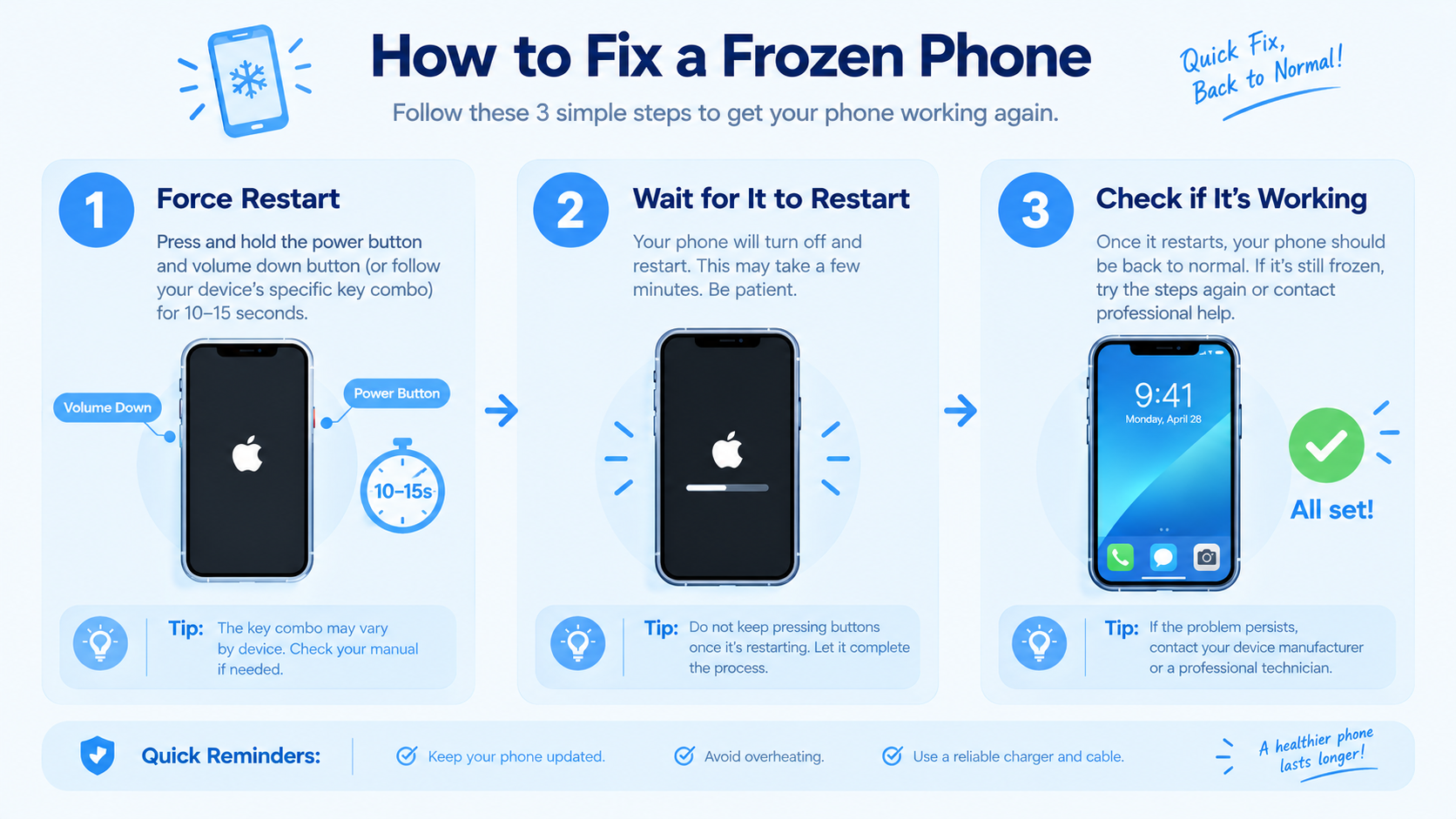
Corrupted app caches or misconfigured system settings can cause inconsistent thermal sensor readings, leading to unnecessary throttling. Clearing your Samsung device’s cache partition via recovery mode can resolve temporary software glitches without deleting personal data. To do this, turn off your phone, hold the Volume Up and Power buttons simultaneously until the Samsung logo appears, then use the volume keys to navigate to “Wipe Cache Partition” and select it with the Power button. After the process completes, restart your device—this often fixes minor thermal management issues. You can also reset app preferences to restore default settings for system apps, which can resolve conflicts that trigger throttling.
Check for Hardware Issues
In rare cases, persistent Samsung thermal throttling could signal a hardware problem, such as a faulty thermal sensor, damaged cooling module, or degraded thermal paste. If your device overheats even at idle (when running minimal background processes) or shows extreme temperature fluctuations via apps like CPU-Z, contact Samsung Support for a diagnostic. For out-of-warranty devices, a professional thermal paste replacement can improve heat transfer between the CPU and cooling system—third-party repair services typically charge $50-$80 for this service, and it can reduce operating temperatures by up to 12°C, eliminating throttling during heavy use.
Samsung thermal throttling is a vital protective feature, but excessive or premature throttling can turn a high-performance device into a laggy, frustrating tool. By understanding its triggers and implementing the right fixes—from cleaning vents and managing background apps to advanced solutions like clearing cache partitions or addressing hardware issues—you can restore smooth performance to your Samsung device. Regular maintenance and keeping your software updated will also prevent future overheating issues, ensuring your phone runs reliably for years to come.
Everything above about “Samsung thermal throttling” is originally written by our editorial team. Reproduction is strictly prohibited.