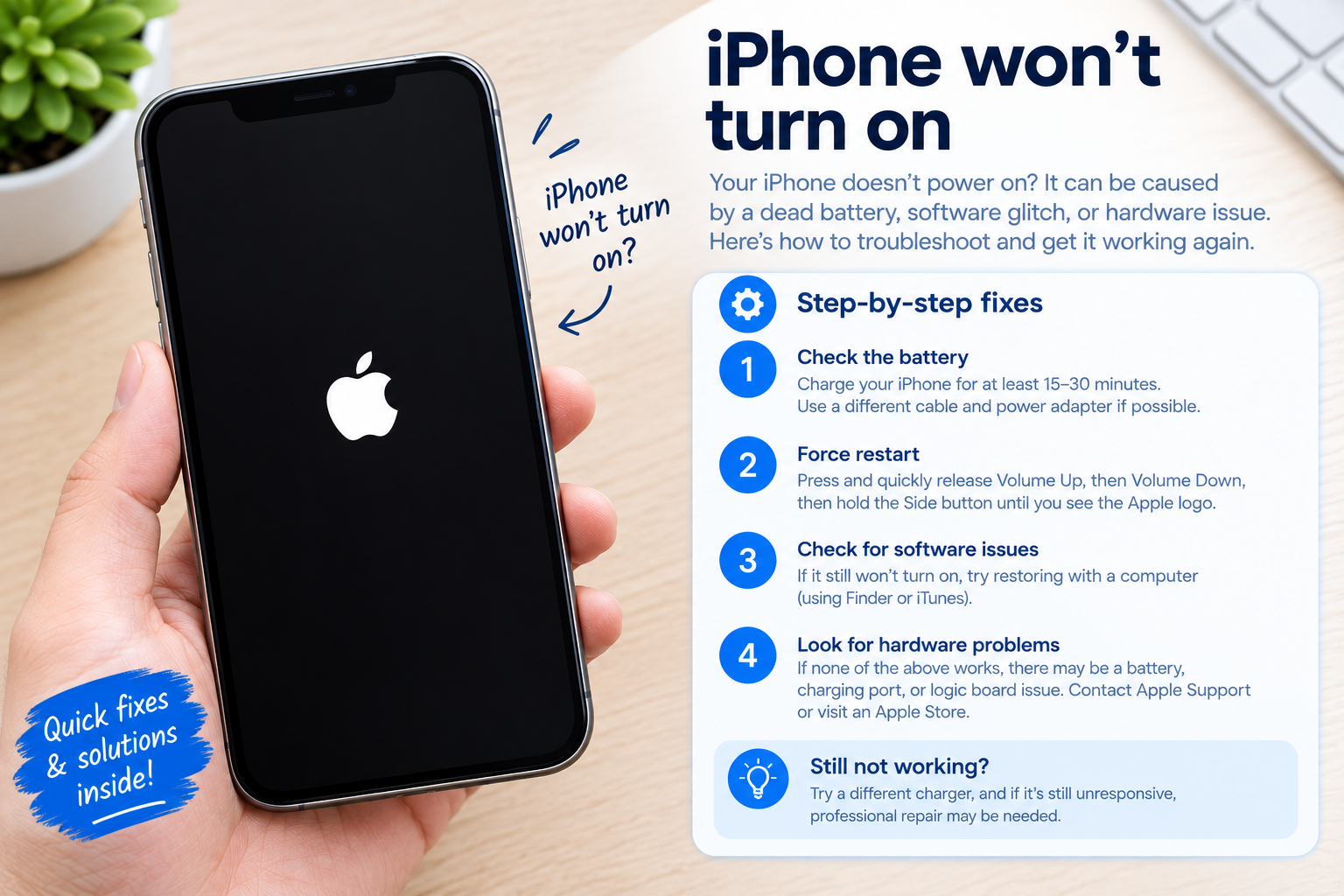
Winter brings cozy fires and snow days, but it also introduces frustrating cold weather battery or performance issues that leave drivers stranded, smartphone users without navigation, and small electronics unable to function when needed most. These issues aren’t just minor inconveniences; they stem from how low temperatures alter the chemical reactions that power batteries, turning a reliable energy source into something unpredictable. By understanding why cold weather impacts battery performance and taking proactive steps to address these problems, you can avoid the headache of a dead battery when you need it most.
Why Cold Weather Causes Battery Performance Declines
Chemical Reaction Slowdown in Lead-Acid and Lithium-Ion Batteries
All batteries rely on chemical reactions to generate electricity, and cold temperatures slow these reactions significantly. For lead-acid car batteries, the most common type in vehicles, the Battery Council International reports that at 32°F (0°C), electrical production drops by roughly 20%, while at -4°F (-20°C), efficiency plummets by nearly 50%. Lithium-ion batteries, used in smartphones, electric vehicles, and laptops, fare slightly better but still see a 30% reduction in usable capacity at freezing temperatures, per studies from the U.S. National Renewable Energy Laboratory. This slowdown means batteries can’t supply enough power to start a car or run a high-demand device, even if they appear fully charged at room temperature.
Increased Internal Resistance and Higher Energy Demand
Cold weather also thickens the internal components of batteries, raising internal resistance that wastes energy as heat instead of delivering it to the device. For cars, this means the starter motor requires far more current to turn over an engine, amplifying strain on an already weakened battery. Additionally, cold temperatures thicken engine oil in vehicles, adding extra load that can drain a battery quickly. For portable devices, features like the screen, processor, and connectivity tools use more power in cold conditions, further reducing usable battery life.
Practical Fixes for Car Battery Cold Weather Issues
Many cold weather battery or performance issues for cars stem from neglect or lack of prep, but these actionable steps can keep your battery reliable all winter long:
- Clean and tighten battery terminals annually: Corroded, loose, or dirty terminals block power flow, so wipe them with a solution of baking soda and water every fall to remove rust and ensure secure connections.
- Park in a warm space or use a battery blanket: Storing your car in a garage raises battery temperature by 10-15°F on average, drastically improving performance; a battery blanket is an affordable option for those parking outdoors.
- Avoid short, infrequent trips: A car battery only recharges when the engine is running at speed, so combine errands and limit short drives to give your battery time to fully recharge after each use.
- Test your battery before winter hits: Most auto shops offer free battery load tests, which can catch a weak or dying battery before it leaves you stranded in a snowstorm.
Fixing Cold Weather Battery Issues for Portable Devices
Short-Term Fixes for Dying Phones and Tablets
If your smartphone or tablet dies unexpectedly in cold weather, quick workarounds can restore partial power: move the device to a warm pocket, bag, or indoor space for 5-10 minutes (avoid placing it directly against heat sources like hand warmers, which can damage lithium-ion batteries), close unused apps to reduce power draw, and disable non-essential features like location services, Bluetooth, and high-refresh-rate settings.
Long-Term Prevention for Portable Device Batteries
To avoid recurring cold weather battery issues with portable electronics, take steps to insulate and protect your devices. Use a padded, insulated protective case for phones and laptops to retain heat, store devices at room temperature when not in use, and avoid leaving them in cold cars or outdoor areas for extended periods. Apple’s support team notes that exposing a lithium-ion battery to temperatures below 32°F for long periods can reduce its overall lifespan by up to 15% annually, so even small changes to storage habits can make a big difference.
What to Do If You Have a Dead Cold Weather Battery
If your car won’t start or your device dies when you need it most, prioritize safety and follow correct procedures to avoid damage. For car batteries, always use jumper cables correctly: ensure both vehicles are turned off, connect the red (positive) terminal of the working car to the dead car’s positive terminal, connect the black (negative) cable to the working car’s negative terminal and a metal, unpainted part of the dead car’s engine (not the negative battery terminal), then start the working car before attempting to start your vehicle. For portable devices, never heat a dead battery with hair dryers or open flames, as this can cause leaks, fires, or permanent damage.
Cold weather battery or performance issues are a widespread problem, but they’re largely preventable with a mix of knowledge, regular maintenance, and small daily habits. Whether you’re dealing with a car battery failure on a snowy morning or a smartphone dying mid-commute, taking proactive steps like testing your battery before winter, cleaning terminals, and insulating portable devices can save you from stress, unexpected costs, and inconvenience. When issues do arise, following safe, correct procedures to resolve them ensures you get back to normal quickly without risking damage to your devices or vehicle.
Everything above about “cold weather battery or performance issues” is originally written by our editorial team. Reproduction is strictly prohibited.