
If you’ve ever tried to transfer photos, back up important data, or sync files between your Android phone and a computer, you know how frustrating it can be when your Android phone won’t connect to computer. This common issue affects users across all Android models—from budget smartphones to premium flagships—and can stem from a mix of hardware glitches, misconfigured settings, or outdated software. The good news is that most connectivity problems don’t require professional repair; with a few targeted steps, you can resolve the issue quickly and get your devices working together again.
Basic Quick Fixes to Try First
Before diving into complex settings or software updates, start with the simplest and most effective fixes that resolve 60% of Android-computer connection issues, according to tech support data from Google’s Android Help Center. First, check the physical connections: USB ports on both your Android and computer can collect dust or become loose over time, so unplug the cable, inspect the ports for debris (use a can of compressed air if needed), and reinsert the cable firmly on both ends. Next, restart both devices: Power off your Android completely, wait 30 seconds to clear temporary system cache, then turn it back on. For your computer, a quick reboot will also resolve temporary network or USB controller glitches that might block the connection. Avoid skipping this step, as many users overlook that temporary app crashes or system hangups are often the root cause.
Check USB Cable, Ports, and USB Mode Settings
Verify USB Cable Integrity
One of the most overlooked reasons for a failed connection is using the wrong USB cable. Not all USB cables support data transfer—many are designed solely for charging, with only two of the four internal pins active for power delivery. For example, a cheap charging cable purchased from a convenience store might work for powering your phone but won’t allow data sync with your computer. To test this, swap in a cable that explicitly states it supports data transfer (look for labels like “USB 2.0”, “USB 3.0”, or “Data Sync” on the packaging). Genuine cables from brands like Anker, Samsung, or Google’s official accessories are also less likely to have frayed wires or broken pins that disrupt connectivity.
Select the Correct USB Mode on Your Android
When you plug your Android into a computer, your phone will prompt you to choose a USB use case. If you select “Charge only” instead of the appropriate data mode, the devices won’t communicate for file transfers. The two main modes are “File Transfer” (MTP, Media Transfer Protocol) for most file types and “PTP” (Picture Transfer Protocol) for photos and videos. To adjust this, swipe down from the top of your Android screen to open the Quick Settings panel, tap the “USB for charging” notification, and select “File Transfer”. On some older Android versions, you may need to go to Settings > Connected Devices > USB to manually choose the mode; skipping this step is a common mistake made by new Android users.
Update Software and Drivers to Fix Compatibility Gaps
Outdated software on either your Android or computer creates compatibility gaps that prevent seamless USB connectivity. For instance, a Windows 10 PC running 2018-era drivers won’t recognize a 2024 Android 14 phone, while an Android with an unpatched OS might have a bug that breaks MTP sync. These updates often include targeted fixes for USB issues, so they’re worth prioritizing after basic checks.
Update Your Android Operating System
To check for Android updates, go to Settings > System > Software Update (the path may vary slightly by device: Samsung users go to Settings > About phone > Software update, while Pixel users use Settings > System > System update). If an update is available, connect your Android to Wi-Fi (avoid cellular to prevent data overage) and install it. Google’s Android 13 and 14 updates, for example, include fixes for over 20 USB connectivity bugs reported by users between 2022 and 2024. Updating your Android ensures it has the latest protocols to communicate with modern computers.
Fix Computer Drivers for USB Recognition
For Windows computers, outdated or corrupted Android drivers are a leading cause of connection failures. To resolve this, open Device Manager (right-click the Start menu in the bottom-left corner and select “Device Manager”). Expand the “Portable devices” or “Universal Serial Bus devices” section, find your Android device listed, right-click it, and select “Update driver”. Choose the option to search automatically for updated driver software, and Windows will install the latest compatible driver. For Mac users, MacOS typically handles Android drivers automatically, but if you still face issues, check for MacOS updates via System Settings > General > Software Update—these often include patches for USB support that work with Android devices. Note that third-party driver tools are not always reliable, so using built-in OS tools is safer.
Advanced Fixes for Persistent Connection Issues
If the above steps haven’t resolved the problem, you’ll need to adjust core connection settings on your Android. These steps reset configurations without deleting your personal data, making them safe for most users. Follow these targeted fixes in order, as they build on each other to fix more specific issues:
- Reset all USB settings on your Android: Go to Settings > System > Reset > Reset USB settings. This restores default USB mode preferences and clears any custom settings that might be blocking data transfer, such as hidden restrictions for USB connections.
- Clear the Media Storage cache on your Android: Go to Settings > Apps > See all apps > Media Storage > Storage & cache > Clear cache. Corrupted cache files for media sync can interfere with MTP connections, especially if you’ve recently transferred a large number of photos or videos.
- Disable third-party security apps temporarily: Antivirus or firewall software on your computer or Android might mistakenly block the USB connection as a potential threat. Temporarily disable these apps (don’t forget to re-enable them afterward) and test the connection to see if that resolves the issue. If it works, adjust the app’s settings to allow USB device connections permanently.
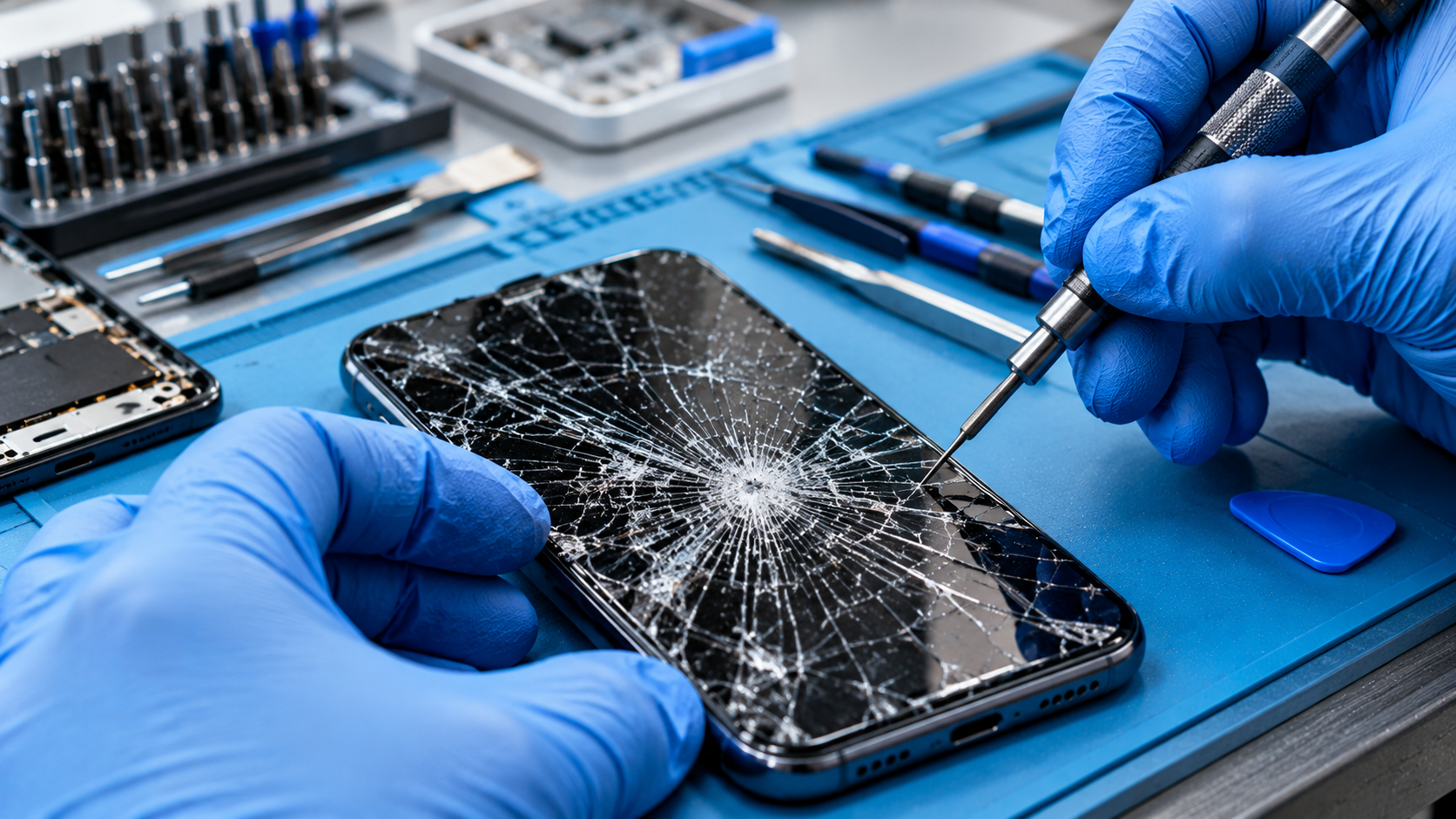
If none of these steps work, it’s time to check for hardware issues: Test your Android with another computer to rule out a faulty USB port on your original PC, and test a different phone with the same cable and port to confirm if your Android has a broken USB port. For physical hardware problems, you may need to contact your device’s manufacturer for repair or consider professional help, though this is a rare scenario if you followed all software and settings fixes.
Fixing an Android phone that won’t connect to computer doesn’t have to be a headache. The key takeaways are: Start with simple checks like restarting devices and verifying your USB cable, adjust your Android’s USB mode to the correct data setting, update software and drivers on both devices to eliminate compatibility gaps, and use advanced reset steps if basic fixes fail. By working through these steps systematically, you’ll identify and resolve the issue quickly, allowing you to transfer files, back up data, and sync your Android with your computer without further frustration.
Everything above about “Android phone won’t connect to computer” is originally written by our editorial team. Reproduction is strictly prohibited.