
If you rely on your Android device for navigation, outdoor workouts, food delivery, or even finding nearby places, encountering the issue of Android GPS not working or inaccurate can throw your day off track. Whether your GPS fails to lock onto a location, gives you wrong coordinates, or lags behind your actual movement, these problems are more common than you might think—and most of them can be resolved with simple, actionable steps without needing to visit a repair shop.
Basic Troubleshooting Steps to Fix Temporary GPS Glitches
Many GPS inaccuracies stem from temporary software settings or environmental factors that are easy to fix quickly. These steps are ideal for resolving sudden GPS issues after an update, moving to a new area, or using location-dependent apps heavily.
Verify Location Services Are Enabled and Set to High Accuracy
The most common mistake is having location services disabled or set to a low-accuracy mode. On most Android devices, navigate to Settings > Location. If the toggle is off, tap it to enable location tracking. Next, select the “Mode” option and choose “High Accuracy”—this uses GPS, Wi-Fi, and mobile networks to deliver precise location data, unlike “Battery Saving” (which relies only on Wi-Fi/mobile) or “Device Only” (GPS alone, which works in open areas but is slower to lock on).
Reboot Your Android Device to Clear Temporary Cache
Minor software glitches in the system or GPS module can cause unexpected inaccuracies. A simple reboot often resolves these issues. Press and hold the power button, select “Restart” if available, or turn off the device completely, wait 30 seconds, then power it back on. This refreshes all background processes, including the GPS service, and clears temporary cache that might be interfering with satellite connectivity.
- Remove thick or metal phone cases, which can block the GPS antenna and weaken satellite signals
- Move to an open area away from tall buildings, trees, or concrete structures that obscure satellite signals
- Toggle Airplane Mode on for 10 seconds, then off to reset all wireless connections and refresh GPS
Advanced Solutions for Persistent GPS Inaccuracy
If basic steps don’t work, the issue might be due to corrupted app data, miscalibrated hardware, or outdated system settings. These targeted fixes address deeper software-related GPS problems.
Calibrate GPS Using Google Maps for Better Precision
Google Maps includes a built-in tool to calibrate your device’s compass and GPS, which fixes long-term inaccuracies caused by magnetic interference. Open Google Maps, tap your profile icon in the top-right corner, select “Settings” > “About, terms & privacy” > then choose “Calibrate compass”. Hold your device in the air and make a figure-eight motion a few times—this adjusts the sensors to account for nearby metal objects like door frames or appliances. After calibrating, test your location in Google Maps to see if accuracy improves.
Reset GPS Data or Clear Cache of GPS-Related Apps
Corrupted cache in apps like Google Maps or the system location service can cause persistent GPS issues. To clear Google Maps cache, go to Settings > Apps > See all apps > select “Google Maps” > Storage & cache > tap “Clear cache”. For system-level fixes, reset A-GPS (Assisted GPS) data—this cached data helps your device quickly connect to satellites. Find this in Settings > Location > Advanced > A-GPS Settings > Reset A-GPS. Note that the first GPS lock after reset might take a minute longer, but subsequent locks will be faster and more accurate.
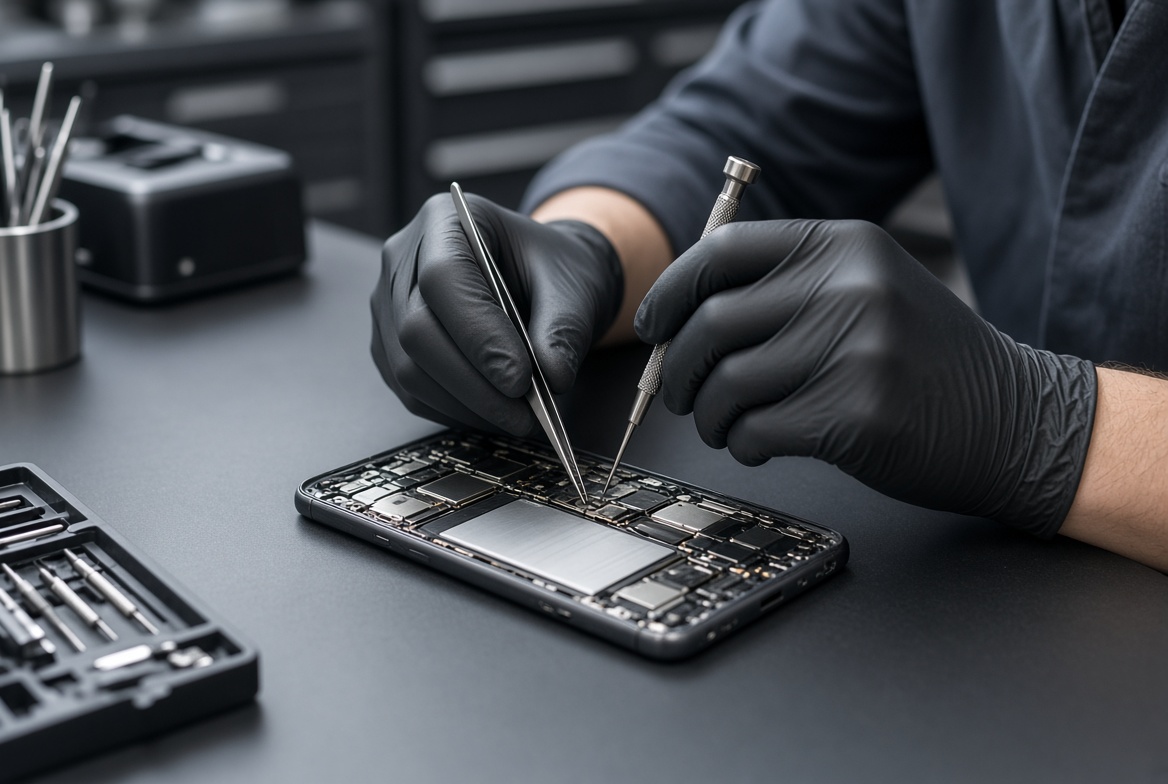
When to Consider Hardware or Software Repairs
If you’ve tried all troubleshooting steps and your Android GPS not working or inaccurate problem still exists, there could be a hardware fault or deep software bug. Outdated Android versions often include critical fixes for GPS-related bugs, so check for system updates in Settings > System > Software update. If updates don’t resolve the issue, a factory reset might be necessary (remember to back up your data first). For hardware issues like a faulty GPS antenna (from water damage or physical impact), contact your device manufacturer’s support team or visit a certified repair technician to avoid further damage.
In conclusion, resolving Android GPS not working or inaccurate issues usually starts with simple checks: enabling high-accuracy location services, rebooting your device, or adjusting settings in Google Maps. For persistent problems, calibrating the GPS compass, clearing app cache, or resetting A-GPS data often delivers reliable results. Always rule out temporary software glitches before considering hardware repairs, as most GPS issues are software-related and can be fixed quickly with these actionable steps to get accurate location tracking back.
Everything above about “Android GPS not working or inaccurate” is originally written by our editorial team. Reproduction is strictly prohibited.