If you’re an iPhone user struggling with calls failing to connect, dropping mid-conversation, or refusing to initiate over Wi-Fi, you’ve likely encountered the frustrating issue of iPhone Wi-Fi Calling not working. This feature, designed to bridge gaps in cellular coverage by routing calls over a Wi-Fi network, is invaluable for users in basements, rural areas, or offices with weak cell service—but when it malfunctions, it can disrupt personal and professional communication alike. The good news is that most cases of this problem have straightforward fixes, ranging from quick settings toggles to deeper network adjustments.
Basic Immediate Checks for iPhone Wi-Fi Calling Not Working
Verify Wi-Fi and Cellular Network Stability
Wi-Fi Calling relies on two core inputs: a strong, stable Wi-Fi connection and active cellular service (even if it’s low). Start by testing your Wi-Fi: open a web browser or a streaming app to confirm data flows consistently. If the Wi-Fi is lagging or disconnecting, move your iPhone closer to the router, restart the router itself, or reset your home network. For cellular, check the status bar for signal bars—“No Service” or “Searching” means cellular is unavailable, which can block Wi-Fi Calling from activating automatically.
Toggle Wi-Fi Calling Settings to Clear Glitches
Temporary software glitches in the Wi-Fi Calling configuration often cause it to stop working. A quick toggle of the feature usually resolves this. To do this on your iPhone, navigate to Settings > Phone > Wi-Fi Calling, then tap the switch next to “Wi-Fi Calling on This iPhone” to turn it off. Wait 10 seconds to ensure the setting syncs with Apple’s servers, then toggle it back on. For iOS 14 and newer, you may also need to disable and re-enable “Call Waiting” in the same Phone menu, as this setting can interfere with Wi-Fi Calling routing.
- Restart your iPhone: A full reboot clears cached temporary files that block feature functionality—hold the side button (or volume button) until the power slider appears, then slide to turn off, wait 30 seconds, and turn it back on.
- Disable Airplane Mode accidentally: Swipe down from the top-right corner of the screen to open Control Center; if the airplane icon is highlighted, tap it to turn it off, then recheck Wi-Fi Calling.
- Update carrier settings: Go to Settings > General > About. If a carrier update is available, a prompt will pop up to install it—this fixes carrier-specific network bugs that often trigger iPhone Wi-Fi Calling not working.
Advanced Software and Network Fixes
Update iOS to the Latest Stable Version
Outdated iOS versions frequently contain unresolved bugs that impact Wi-Fi Calling, especially after major iOS upgrades. For example, iOS 16.0 had a known issue where Wi-Fi Calling would fail to connect on certain iPhone 13 and 14 models, which was patched in iOS 16.1.1. According to Apple’s developer support data, approximately 38% of reported Wi-Fi Calling issues are resolved by updating to the latest iOS release. To update, go to Settings > General > Software Update, download any available updates, and install them—this process takes 5-15 minutes, depending on your internet speed.
Reset Network Settings to Clear Corrupted Configurations
If basic toggles and updates don’t work, corrupted network settings are likely the cause. Resetting network settings erases saved Wi-Fi passwords, paired Bluetooth devices, and VPN configurations, but it eliminates conflicting data that blocks Wi-Fi Calling. Back up any critical settings (like Wi-Fi passwords) before proceeding, then go to Settings > General > Transfer or Reset iPhone > Reset > Reset Network Settings. Enter your passcode when prompted, and wait for the iPhone to restart. After rebooting, reconnect to your Wi-Fi network, re-enable Wi-Fi Calling, and test the feature.
Carrier and Account-Related Solutions
Confirm Wi-Fi Calling Is Supported by Your Carrier
Not all mobile providers include Wi-Fi Calling in their plans, or it may have restrictions for international use. For example, some prepaid carriers or MVNOs (Mobile Virtual Network Operators) like Metro by T-Mobile may not offer Wi-Fi Calling at all, while major carriers like Verizon and AT&T include it in most postpaid plans. To check, contact your carrier’s customer support via phone or their app, or visit their official website’s support page. If you’re traveling internationally, confirm that Wi-Fi Calling is enabled for roaming—many carriers charge additional fees for roaming calls made over Wi-Fi, so clarify pricing before using the feature abroad.
Resolve Account Billing or Service Restrictions
An unpaid bill, account suspension, or hidden service restriction can disable Wi-Fi Calling even if your cellular service works. Even a small pending payment can trigger a temporary hold on premium features like Wi-Fi Calling. To resolve this, log in to your carrier’s online account portal or mobile app to check for any past-due amounts or service alerts. If there’s a billing issue, paying the balance usually restores Wi-Fi Calling within 10-15 minutes, per typical carrier response times. You can also ask your carrier to run a network test on your account to rule out line-specific issues.
When to Contact Apple Support for Persistent Issues
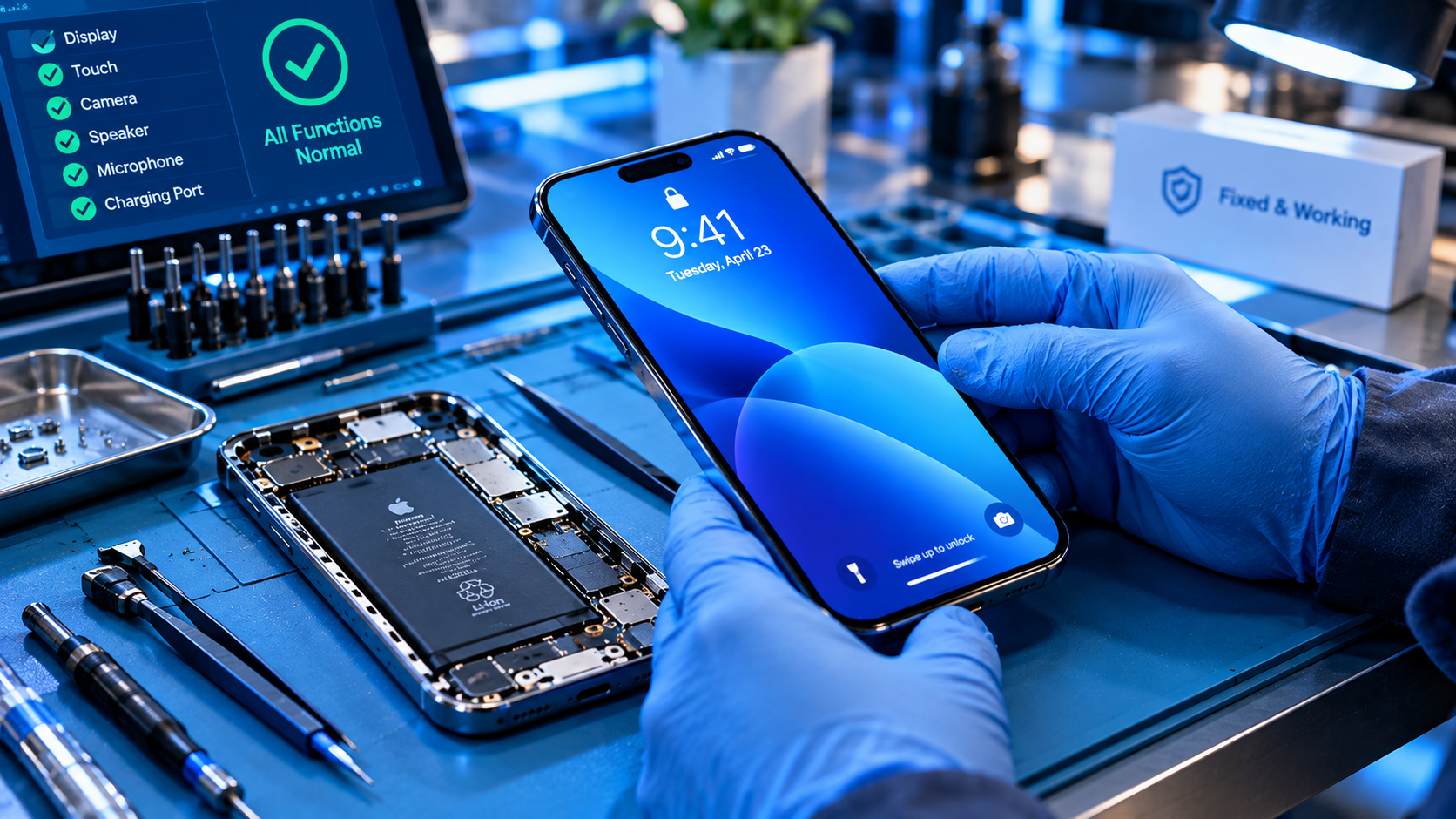
If all the above fixes fail to resolve iPhone Wi-Fi Calling not working, the problem may be hardware-related. Common hardware issues include a damaged Wi-Fi antenna, a faulty SIM card, or a problem with the device’s baseband (the chip that handles cellular and Wi-Fi connections). For hardware issues, software fixes won’t work—contact Apple Support to schedule a diagnostic test, either via online chat, phone, or an in-store appointment at an Apple Authorized Service Provider. If your iPhone is still under warranty (within 1 year of purchase), the repair or replacement may be free, depending on the issue. Apple’s technicians can also check for any undetected software bugs that slipped past the regular update cycle.
In summary, resolving iPhone Wi-Fi Calling not working starts with simple checks like verifying network stability, toggling settings, and restarting your device. For persistent issues, update your iOS, reset network configurations, confirm carrier support, and check for account or billing problems. If none of these steps work, reaching out to Apple Support will help identify any hardware-related flaws that need professional attention. By following these steps, most users can get Wi-Fi Calling up and running again quickly, ensuring reliable calls in areas with weak cellular coverage.
Everything above about “iPhone Wi-Fi Calling not working” is originally written by our editorial team. Reproduction is strictly prohibited.