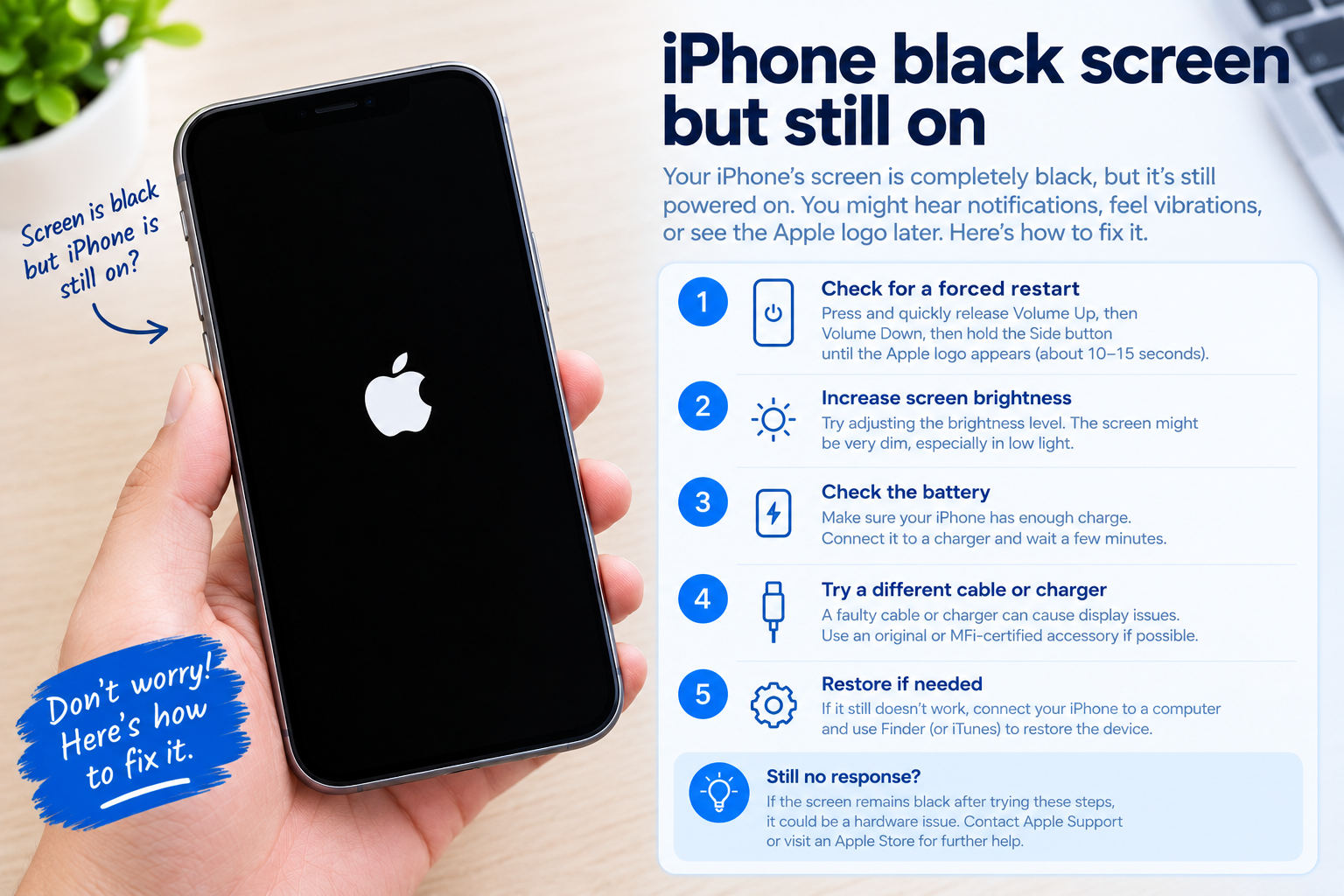
For Samsung device users facing persistent issues like frozen screens, unresponsive apps, sudden battery drain, or needing to perform a factory reset before selling, knowing how to enter recovery mode Samsung is an essential skill that can save time and avoid expensive repairs. Whether you own a Galaxy S series, Note series, A-series, or the latest Z Fold/Z Flip foldables, recovery mode acts as a specialized system toolbox, allowing you to fix software glitches, clear temporary cache files, install official firmware updates, or reset the device to factory defaults. This comprehensive step-by-step guide covers multiple access methods, troubleshooting tips, and what to do once you’re in the recovery menu, ensuring you can use this tool safely and effectively.
Step-by-Step Methods to Enter Samsung Recovery Mode
Method 1: Physical Button Combination (Standard for Most Models)
The most common way to access recovery mode uses physical device buttons, which works for nearly all Samsung devices running stock Android (the default operating system). The exact combo varies slightly based on your device’s age and key layout: For older models like Galaxy S9, Note 9, or A50, press and hold three buttons simultaneously: Volume Up, Power, and Bixby. Keep holding all three until the Samsung logo appears (usually 5–10 seconds), then release the Power and Bixby keys while continuing to press the Volume Up key. Hold Volume Up until the recovery mode menu (displayed in blue and gray text) loads, which may take an additional 10–15 seconds. For newer mid-range and high-end devices without a Bixby key (e.g., Galaxy S20, S21, S22, A52), use only the Volume Up and Power buttons: Press and hold both keys until the Samsung logo appears, then release the Power key immediately but keep holding Volume Up until the recovery menu shows up. This method works for 90% of Samsung phones released in the last 5 years.
Method 2: ADB Command Line (For Devices with Button Issues)
If your device’s physical buttons are damaged, stuck, or unresponsive, you can use the Android Debug Bridge (ADB) tool to enter recovery mode via a computer. This method is ideal for devices with broken Volume or Power keys. First, enable Developer Options on your Samsung device: Go to Settings > About Phone, then tap the Build Number 7 times until a notification says “You are now a developer.” Next, go back to Settings > Developer Options, and toggle on “USB Debugging.” Connect your Samsung device to a computer using a USB cable, then open a command prompt or terminal window on your computer. Navigate to the folder where ADB is installed, then run the command adb reboot recovery. Your device will automatically restart into recovery mode without needing to use physical buttons.
Troubleshooting Common Issues When Accessing Recovery Mode
Button Combination Failures
One of the most common problems users face is that the physical button combination doesn’t trigger recovery mode. This often happens if the device is running a temporary software glitch—try force-restarting your device first by holding the Power and Volume Down buttons for 10 seconds until it vibrates. If that doesn’t work, double-check that you’re pressing the right combo: Newer devices require releasing the Power key immediately after the Samsung logo appears, while older models keep all three buttons held until the logo loads. Also, ensure your fingers aren’t accidentally pressing extra keys, which can disrupt the combination.
Stuck on the Samsung Logo or No Menu Appearing
If your device gets stuck on the Samsung logo after pressing the button combo, or you don’t see the recovery menu, there might be an issue with the device’s stock recovery partition. This is rare for standard Samsung devices, but can happen if you’ve installed a custom ROM or modified system files. For stock devices, try removing and reinserting the battery (if your device has a removable battery, uncommon now) or using the ADB method as a fallback. If you’re using a custom ROM, recovery mode access steps may differ, so check the ROM developer’s official instructions for guidance.
What to Do Once You’re in Samsung Recovery Mode
Recovery mode has a simple, text-based menu controlled by volume keys to navigate and the power key to select. Here’s a breakdown of the key options you’ll find, ordered by most common use cases:
- Reboot System Now: Select this option to restart your device normally. Use this if you entered recovery mode accidentally, or after completing a minor fix like clearing cache.
- Apply Update from ADB: This option lets you sideload official firmware updates or OTA (over-the-air) updates, useful if standard automatic updates fail to install on your device.
- Wipe Cache Partition: The safest option for fixing minor issues like app crashes, slow performance, or random reboots. It deletes temporary system files without erasing personal data (photos, apps, messages), making it ideal for routine maintenance.
- Wipe Data/Factory Reset: Resets your device to its original factory settings, deleting all user data and apps. Only use this if you’re facing severe software issues, planning to sell your device, or need to remove all personal information—always back up your data first before selecting this option.
- Mount /System: An advanced option for modifying system files, not recommended for average users, as misusing it can cause permanent system instability.
Special Instructions for Newer Samsung Foldables (Z Series)
Samsung’s latest foldable devices (Z Fold 4, Z Flip 5, etc.) have a slightly modified button combination to enter recovery mode, designed to accommodate their flexible form factor. The steps are: Press and hold both the Volume Up key and the Side (Power) key simultaneously. When the Samsung logo appears on the screen, release the Side key immediately, but keep holding the Volume Up key until the recovery mode menu loads. This works whether the device is folded or unfolded, as long as the keys are accessible. If the device is turned off completely, you can still use this combo to boot into recovery mode without first powering it on.
In summary, knowing how to enter recovery mode Samsung gives you a powerful tool to resolve most common device issues without professional help, saving time and money. The primary methods are using the physical button combo (tailored to your device model) or the ADB command line for cases where buttons don’t work. Always start with less destructive options like wiping the cache partition before attempting a factory reset, and never skip backing up your data before a full reset. If you encounter issues accessing recovery mode, troubleshooting steps like force-restarting the device or verifying your button inputs can usually fix the problem. With this guide, you can confidently navigate Samsung’s recovery mode to keep your device running smoothly.
Everything above about “how to enter recovery mode Samsung” is originally written by our editorial team. Reproduction is strictly prohibited.