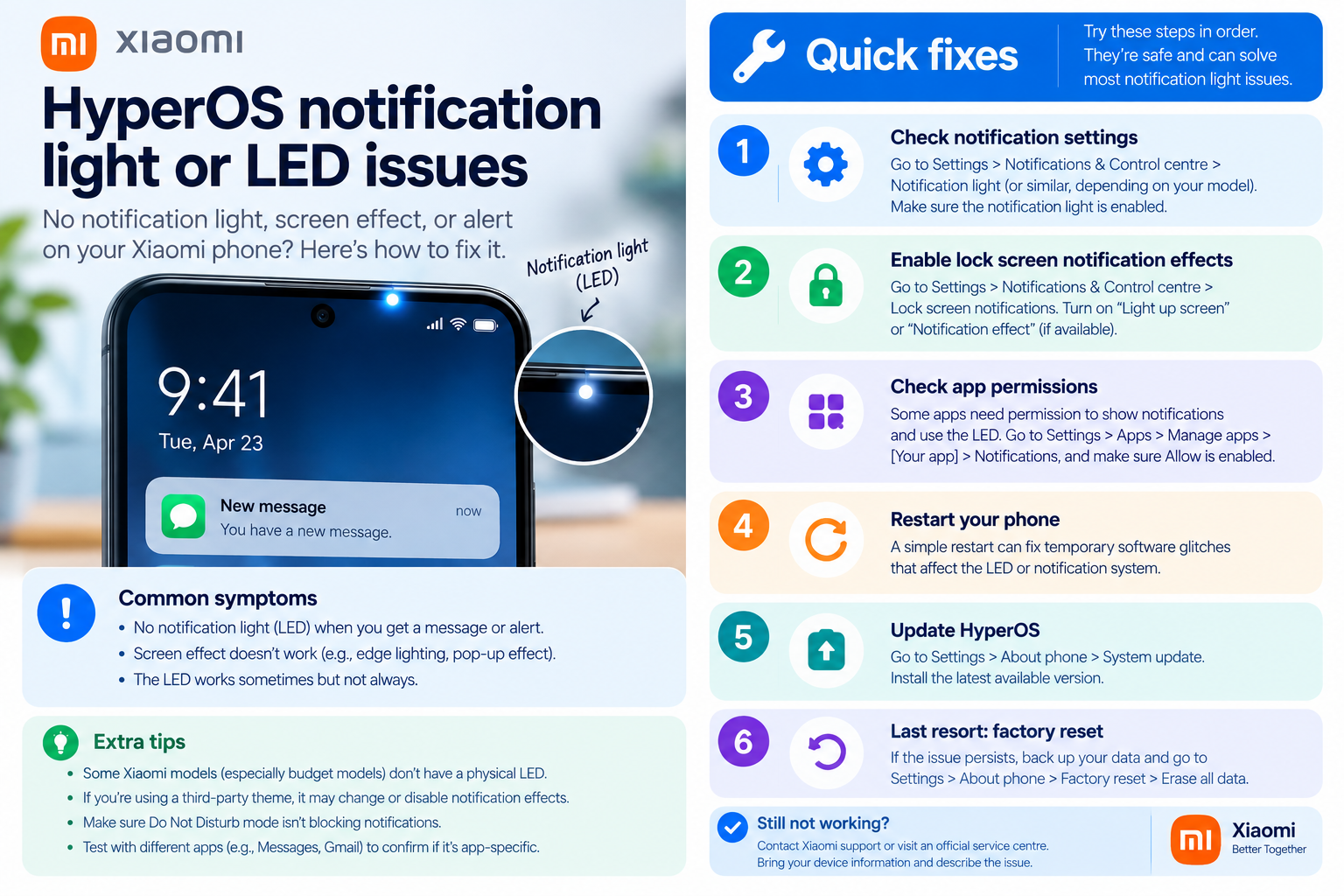
Samsung status bar icons missing is the central topic of this article, and the following content explains the key points, practical uses, and decisions around it.
Samsung smartphones are among the most widely used devices globally, favored for their customizable features and user-friendly interfaces. However, one of the most frustrating issues Galaxy users face is Samsung status bar icons missing, which can obscure critical details like cellular signal strength, battery health, Wi-Fi connectivity, Do Not Disturb mode, or app notifications. This problem not only disrupts the daily functionality of your device but can also leave you unaware of important alerts or status updates, making it essential to resolve quickly.
Common Causes of Samsung Status Bar Icons Missing
The disappearance of status bar icons on Samsung devices usually stems from three primary sources, each easy to trace with a bit of investigation. First, incorrect display settings in One UI can toggle off visibility for specific icons, a common mistake after accidental taps when navigating settings menus. For example, Samsung’s status bar menu includes separate toggles for Wi-Fi, Bluetooth, location, and battery percentage, so disabling any of these will make them vanish. Second, app conflicts are a frequent culprit, especially from third-party apps that modify system behavior—such as alternate launchers, aggressive battery saver tools, or ad-blocking utilities that may interfere with how the status bar renders icons. Third, incomplete or buggy software updates can disrupt status bar functionality; a poorly installed One UI update may cause temporary glitches that hide icons until a fix is rolled out.
Quick Temporary Fixes for Samsung Status Bar Icons Missing
Most cases of missing status bar icons on Samsung phones are minor and can be resolved in under five minutes without technical expertise. These steps work across all recent One UI versions, from One UI 3.0 (used on older Galaxy S and Note models) to the latest One UI 6.1. Try these solutions in order, as they address the most common causes:
- Restart Your Device: A simple restart clears temporary system glitches that often cause icon disappearance. Hold down the power button, select “Restart” from the menu, and wait for the device to fully boot up before checking the status bar. For devices with unresponsive power buttons, you can also use the restart option in Settings > General Management > Restart.
- Verify Status Bar Display Settings: Navigate to Settings > Display > Status Bar > Icons. Ensure that the toggle switches for icons like Wi-Fi, Bluetooth, Location, and Battery Percentage are switched on. Some Samsung devices also have a “Show Icon” section for customizing visibility, so double-check that the missing icon isn’t set to “Hidden.”
- Disable Recently Installed Third-Party Apps: If icons appeared missing right after downloading a new app, uninstall that app to rule out conflicts. Go to Settings > Apps, select the suspicious app, tap “Uninstall,” and restart your device to test if icons reappear. Popular culprits include custom launchers (like Nova Launcher) and advanced battery optimization apps that modify system UI.
- Enable “Show All Icons” Mode: Many Samsung phones use a compact status bar view that truncates less frequently used icons. Toggling on “Show All Icons” in the Status Bar settings will display every available icon, revealing any that were hidden due to the compact view.
Advanced Troubleshooting for Persistent Samsung Status Bar Icons Missing
If quick fixes don’t restore your missing status bar icons, the issue likely stems from deeper software or system cache problems. These advanced steps are safe for most users and won’t erase personal data, though some require careful navigation of device settings.
Clear the System Cache Partition
Corrupted system cache files are a common cause of persistent UI glitches, including missing status bar icons. The system cache stores temporary data to speed up app and system operations, and when it becomes damaged, it can disrupt display elements. To clear the cache partition without deleting photos, messages, or apps: First, power off your Samsung device completely. Next, hold down the Volume Up button and Power button simultaneously until the Samsung logo appears, then release the Power button while continuing to hold Volume Up. Use the Volume Down button to navigate to “Wipe Cache Partition” in the recovery menu, then press the Power button to select it. Confirm the action by selecting “Yes” when prompted, and wait for the process to finish. Once done, select “Reboot System Now” to restart your device.
Update or Reinstall One UI Software
Outdated or bug-ridden One UI versions often have unresolved issues affecting the status bar. First, check for available updates by going to Settings > Software Update > Download and Install. If a new update is available, install it and wait for the device to reboot. If no updates are available, a factory reset may be necessary as a last resort to eliminate deep-seated software bugs. Before resetting, back up all personal data to a cloud service or external storage. Then go to Settings > General Management > Reset > Factory Data Reset, follow the on-screen prompts, and set up your device again to check if icons are restored.

Preventive Measures to Avoid Future Icon Disappearance
To reduce the likelihood of Samsung status bar icons missing in the future, adopt these simple habits that keep your device’s system UI stable. First, avoid installing untrusted third-party apps that modify system-level settings, especially custom launchers, battery savers, or ad blockers from unknown developers. These apps often override default status bar configurations, leading to hidden icons. Second, install software updates promptly; Samsung releases monthly security patches and quarterly One UI updates that fix known UI bugs, including status bar issues. Third, avoid over-customizing status bar settings. While One UI allows extensive customization, excessive changes (like hiding multiple icons or using unusual view modes) can lead to unexpected glitches. Stick to default settings unless you’re familiar with how each toggle works. Finally, restart your device at least once a week to clear temporary system glitches that can build up over time and affect status bar performance.
In conclusion, Samsung status bar icons missing is a manageable issue that ranges from minor setting errors to deep software glitches. For most users, quick fixes like restarting the device or adjusting status bar settings will resolve the problem in minutes. Persistent issues may require advanced troubleshooting like clearing the system cache or updating One UI, while preventive steps can help avoid recurrence. By following these solutions, Galaxy users can restore their status bar’s full functionality and ensure they never miss critical updates about signal, battery, or notifications again.
Everything above about “Samsung status bar icons missing” is originally written by our editorial team. Reproduction is strictly prohibited.