Dealing with Call Screening or similar features not working can be a major inconvenience, whether you’re a consumer trying to avoid spam calls or a small business owner relying on filtered calls to stay productive. Built-in tools from carriers like Verizon, AT&T, or Apple, as well as third-party apps such as Truecaller and RoboKiller, often let you block unwanted numbers, but when these functions fail, you may miss important calls or face constant interruptions from telemarketers. The good news is most issues can be resolved with simple, targeted fixes without needing to replace your device or service.
Basic Diagnostic Steps to Resolve Call Screening Failures
Many cases of Call Screening or similar features not working stem from temporary software glitches or accidental setting toggles, making these quick checks the first line of defense. For example, a common mistake is disabling the feature through the phone’s settings while trying to test other call options, or a minor update that resets a toggle without your notice.
Confirm Feature Enablement in Settings
Before diving into complex fixes, verify that your call screening tool is fully active. On iPhones, navigate to Settings > Phone > Silence Unknown Callers and ensure the toggle is switched on; for Android users, check the Phone app’s settings (often located in the top-right menu) for “Call Screen” or “Spam Protection” options. Some devices also require you to grant specific permissions to the feature, such as access to call logs or your location, to function properly.
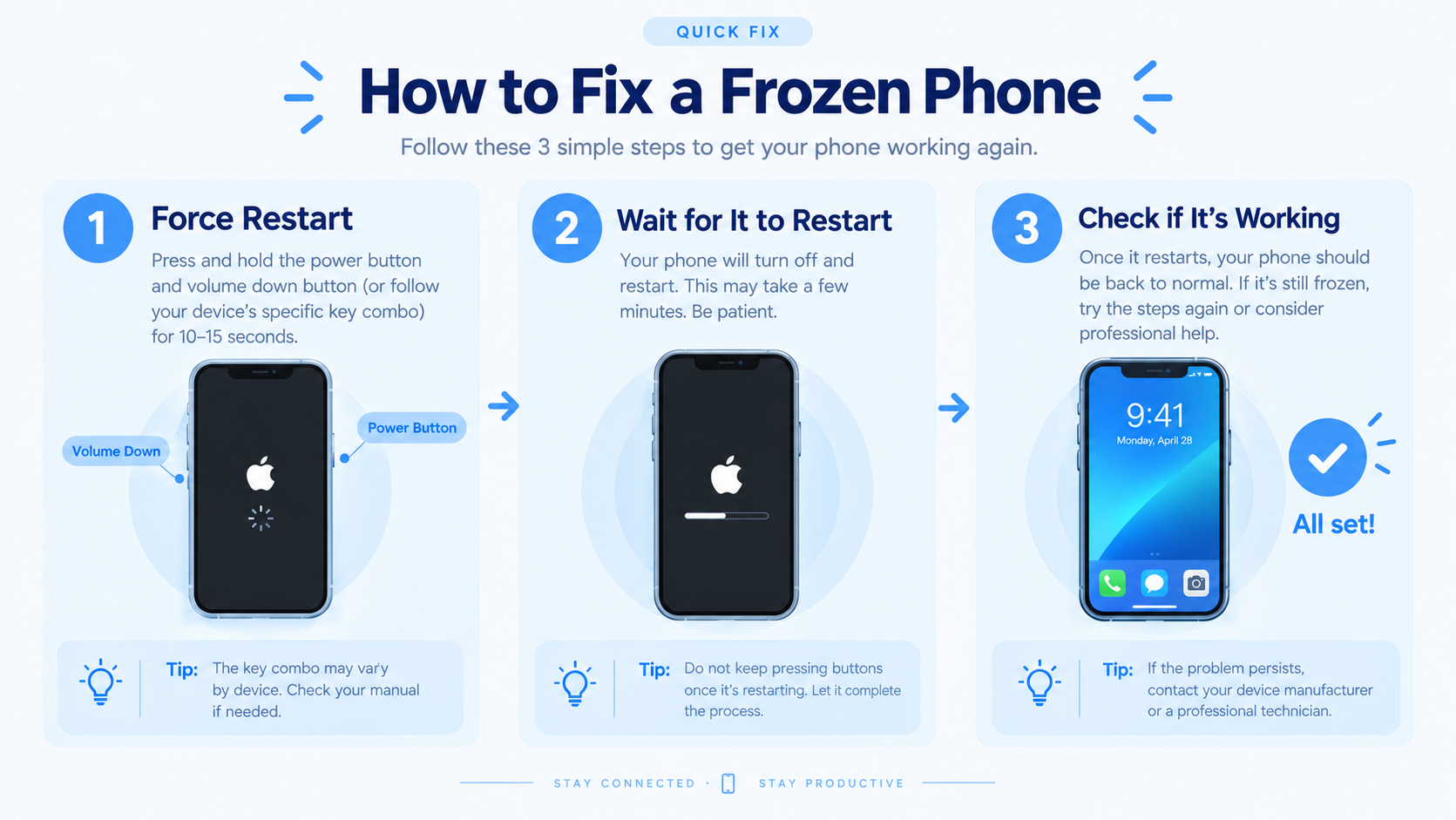
- Restart your device to clear temporary software bugs that may interfere with call screening processes
- Check your carrier’s official status page or the app store page for your third-party tool to rule out active service outages
- Disable any conflicting settings like Do Not Disturb, which can override call screening by silencing all non-priority calls
Device and Carrier-Specific Troubleshooting
Call Screening or similar features not working can also be tied to your device’s operating system or your service provider’s configuration, as each platform has unique requirements for call filtering tools. For example, iPhone’s built-in call screening integrates closely with its iOS ecosystem, while Android relies on carrier-specific settings or Google’s native call protection.
iPhone Call Screening Troubleshooting
For iPhone users, issues often relate to the Silence Unknown Callers feature conflicting with other settings. If calls marked as spam aren’t being screened, go to Settings > Phone > Call Blocking & Identification and ensure your third-party call app (like RoboKiller) is enabled. Additionally, iOS updates sometimes reset default call settings, so double-check that your preferred tool isn’t being restricted by the OS’s battery optimization features, which may background the app unexpectedly.
Android Call Screening Solutions
Android devices offer more flexibility but can have inconsistencies across different manufacturers (Samsung, Google, LG, etc.). If your call screening isn’t working, set your preferred app as the default call handler in Settings > Apps > Default apps > Phone app. Many Samsung phones also require you to enable “Spam Call Alerts” in the Phone app’s settings, which sometimes gets turned off after a system update. For carrier-specific Android lines, contact your provider to confirm that call screening is included in your plan, as some basic plans may exclude advanced filtering tools.
Third-Party App-Specific Fixes
Third-party call screening apps are a popular alternative to built-in tools, but they frequently experience issues due to outdated databases or missing permissions, which can lead to Call Screening or similar features not working. A 2023 report from the Anti-Spam Research Group found that 35% of user complaints about call screening tools are related to app-specific errors rather than device or carrier problems.
Update App Permissions and Databases
Most call screening apps rely on crowd-sourced spam databases to identify unwanted numbers, so an outdated database will fail to recognize spam calls. To fix this, check for app updates in your device’s app store—developers often release patches to fix glitches and refresh spam lists. Additionally, ensure the app has all required permissions: access to your phone’s call logs, contacts, and location (for real-time spam updates). On Android, you can manage permissions through Settings > Apps > [Your Call App] > Permissions, while iOS users can adjust permissions in Settings > Privacy & Security.
If the issue persists, try clearing the app’s cache (for Android) or offloading and reinstalling the app (for iOS) to resolve corrupted data files that may be blocking its functionality. For users of VoIP services (e.g., Zoom Phone, Microsoft Teams), call screening issues may also stem from platform-specific integration problems: ensure the VoIP app is set as the default calling app and that it has been granted all necessary system permissions to handle call screening tasks.
In summary, resolving Call Screening or similar features not working starts with basic checks like verifying settings and restarting your device, then moves to platform-specific fixes for iOS or Android, and finally app-specific adjustments for third-party tools. By addressing common issues like missing permissions, outdated databases, and conflicting settings, you can restore reliable call screening to avoid unwanted interruptions and missed important calls. If all else fails, reaching out to your carrier or the app’s customer support team can help diagnose rare configuration issues that aren’t visible through standard troubleshooting steps.
Everything above about “Call Screening or similar features not working” is originally written by our editorial team. Reproduction is strictly prohibited.