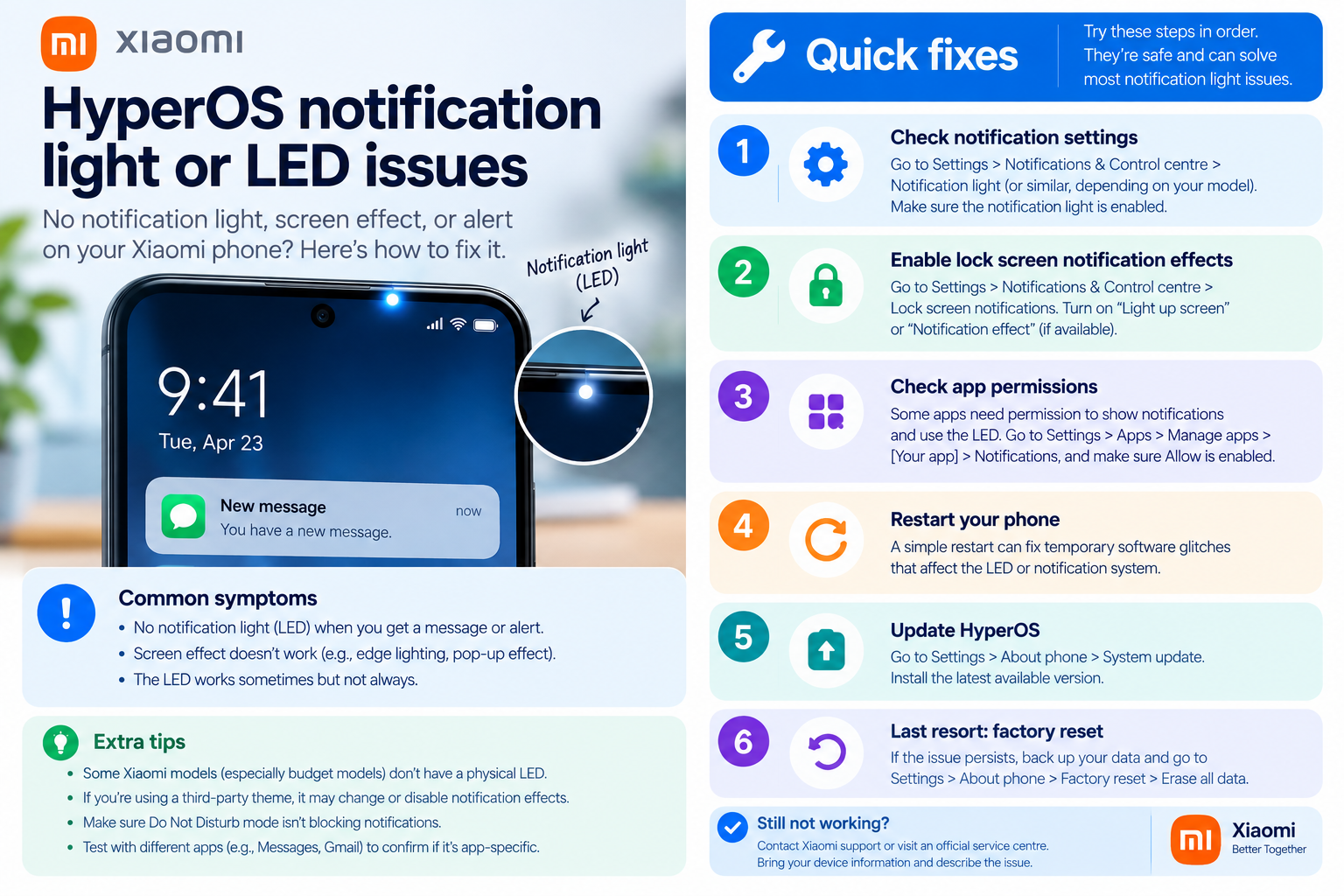
Dealing with a Samsung vibration not working issue can disrupt daily interactions, whether it’s missing important calls, texts, or app alerts that rely on haptic feedback. For Samsung Galaxy users ranging from the S23 series to older A-series devices, this problem is more common than many realize, stemming from a mix of software bugs, misconfigured settings, or even minor hardware wear. Whether you’re a casual user or rely on your phone for work, resolving Samsung vibration not working quickly helps you stay connected without constant screen checking.
Immediate Quick Checks to Resolve Samsung Vibration Problems
Before diving into advanced troubleshooting, start with simple, no-cost fixes that often resolve Samsung vibration not working in minutes. Most users skip these basic steps, leading to unnecessary time spent on complex processes.
Verify Vibration Toggle Is Enabled in Settings
One of the most frequent causes of Samsung vibration not working is a disabled vibration switch. To confirm, open your Samsung phone’s Settings app, navigate to Sounds and Vibration > Vibration, and ensure the switch labeled “Vibration” is toggled on. Additionally, adjust the vibration intensity slider to a level that’s easily detectable—sometimes the default setting is too low to feel, especially for users with reduced tactile sensitivity. This step is critical because many users accidentally disable vibration while adjusting sound settings for videos or calls.
Check Silent and Do Not Disturb Modes
Silent mode or Do Not Disturb (DND) can override your vibration settings, making it seem like the vibration feature is broken. Swipe down from the top of your screen to open the Quick Panel, and check if the silent mode icon (a speaker with a line through it) is active. If it is, tap to disable it, then test vibration again. For DND, go to Settings > Notifications > Do Not Disturb, and confirm that “Block vibrations” is not enabled in the DND rules.
- Test vibration with a simple action: Go to a chat app like Samsung Messages, send a test message to yourself, and ensure vibration is triggered on receipt.
- Check individual app settings: Some apps (e.g., Instagram, WhatsApp) have their own vibration preferences, which might be overriding system settings.
- Remove physical cases or screen protectors: Thick or poorly fitted accessories can dampen vibration, making it feel like the motor isn’t working.
Fixing Software Glitches That Cause Samsung Vibration Not Working
If quick checks don’t resolve the issue, the problem likely stems from a software bug, outdated One UI, or corrupted cache data. Samsung’s custom One UI software occasionally has compatibility issues with third-party apps or system updates that can disable vibration functionality, even after recent updates.
Update Your Samsung One UI to the Latest Version
Outdated software is a top culprit for many Samsung device issues, including vibration failure. Samsung regularly releases One UI updates (e.g., One UI 5.1 for Galaxy S22/S23) that patch bugs and improve haptic feedback. To update, go to Settings > Software Update > Download and Install. If an update is available, install it, and your phone will restart automatically. Many users report that after updating to the latest One UI, vibration issues disappear entirely, as the update fixes known glitches related to haptic motor calibration that can cause Samsung vibration not working.
Clear the Cache Partition on Your Samsung Device
Corrupted system cache can interfere with hardware functionality, including vibration. The cache partition stores temporary files that help your phone run faster, but old or damaged cache can cause conflicts with the vibration motor’s operations. To clear it, power off your device completely, then press and hold the Volume Up button and Power button simultaneously until the Samsung logo appears. Use the Volume keys to navigate to “Wipe Cache Partition,” press the Power button to select it, and wait for the process to finish (this usually takes 10-20 seconds). Afterward, select “Reboot System Now” to restart your phone. This process doesn’t delete personal data, so it’s safe for all users.

Hardware-Related Solutions for Samsung Vibration Failure
If all software fixes fail, the problem may be hardware-related, such as a damaged vibration motor, loose connector, or physical water damage. For users with older Samsung devices (3+ years), wear and tear can cause the vibration motor to degrade over time. The vibration motor in Samsung phones is a small component located near the bottom of the device (on most models), which uses an unbalanced weight to produce movement; exposure to drops, dust, or moisture can damage this delicate part.
First, check for visible damage: Look for cracks in the back cover, water damage signs (a red dot on the SIM tray that turns pink/red when exposed to liquid), or loose ports. If your phone has been exposed to liquid, even a small spill, this can short the vibration motor. In that case, place the device in a bag of uncooked rice for 24-48 hours to absorb moisture, then test vibration again. If that doesn’t work, contact Samsung Support for a professional hardware inspection.
For devices still under warranty, Samsung will repair or replace the vibration motor free of charge if the issue is not user-caused. If out of warranty, repair costs typically range from $50 to $150, depending on the model—older A-series phones are cheaper to repair than premium S-series devices, which use more specialized haptic components.
In summary, resolving Samsung vibration not working starts with simple checks of settings and accessories, moves to software fixes like updating One UI and clearing cache, and finally addresses hardware issues if all else fails. By following these steps, most users can fix the problem in under 30 minutes without professional help, ensuring they never miss an important alert again. For persistent hardware issues, reaching out to Samsung’s official support is the safest way to avoid further damage to your device.
Everything above about “Samsung vibration not working” is originally written by our editorial team. Reproduction is strictly prohibited.