
how to fix iPhone overheating is the central topic of this article, and the following content explains the key points, practical uses, and decisions around it.
iPhones are renowned for their sleek design, user-friendly interface, and long-term performance, but even the latest models can face frustrating overheating issues that disrupt daily use. Overheating often leads to reduced battery lifespan, slow app launches, unexpected forced shutdowns, or even permanent hardware damage if left unaddressed, so knowing how to fix iPhone overheating is critical for any user looking to maximize their device’s functionality and longevity.
Immediate Steps to Cool Down an Overheating iPhone
When your iPhone feels unusually warm to the touch, acting quickly to lower its internal temperature is key to preventing harm. Start by removing your phone case immediately—many bulky, rubber, or plastic cases trap heat instead of allowing it to dissipate, which can raise internal temperatures by 5 to 10 degrees Fahrenheit, according to Apple’s official support documentation. Next, move your device away from direct sunlight or hot environments, such as a car dashboard on a summer afternoon or a countertop near a stove, as ambient heat amplifies internal strain. Then, close all unused apps: on Face ID models, swipe up from the bottom of the screen and hold to open the app switcher, then swipe away every open app; on models with a home button, double-press the home button to access the switcher. Avoid intensive activities like gaming, video editing, or streaming 4K content until your iPhone cools down, as these tasks push the processor and GPU to their limits, generating excess heat.
Identify and Resolve Apps Causing Overheating
The most common cause of persistent iPhone overheating is misbehaving apps that consume excessive power and processing resources. Pinpointing which apps are to blame lets you target fixes directly, avoiding unnecessary changes to your device settings.
Background App Refresh Issues
Background App Refresh is designed to keep your content up-to-date even when you’re not using apps, but it can run nonstop for unused apps, draining battery and generating constant heat. To adjust this setting, go to Settings > General > Background App Refresh. You can turn it off entirely for all apps to stop all background updates, or customize it to only work for essential apps like email, calendar, and cloud storage tools. For rarely used apps, disabling Background App Refresh is one of the most effective ways to reduce heat output without sacrificing functionality.
Unoptimized or Outdated Apps
Apps that haven’t been updated to match your iPhone’s current iOS version often have bugs or inefficient code that cause excessive CPU usage, leading to overheating. If you notice your iPhone overheats only when a specific app is open, start by updating that app via the App Store—developers frequently release patches to fix performance issues. If updating doesn’t work, delete and reinstall the app to remove corrupted files that might be causing spikes. For apps downloaded outside the official App Store, avoid them entirely; these apps often lack security checks and may contain malware that disrupts your device’s performance, leading to consistent overheating.
Preventive Measures to Stop Overheating Long-Term
While resolving immediate and app-related issues is important, taking proactive steps will help you avoid future overheating events. These measures address common environmental and usage triggers that contribute to temperature spikes over time:
- Keep iOS updated regularly: Apple’s iOS updates include critical bug fixes, performance optimizations, and energy efficiency improvements that reduce unnecessary heat generation. Skipping updates can leave your device vulnerable to known issues that cause overheating, so install updates as soon as they become available.
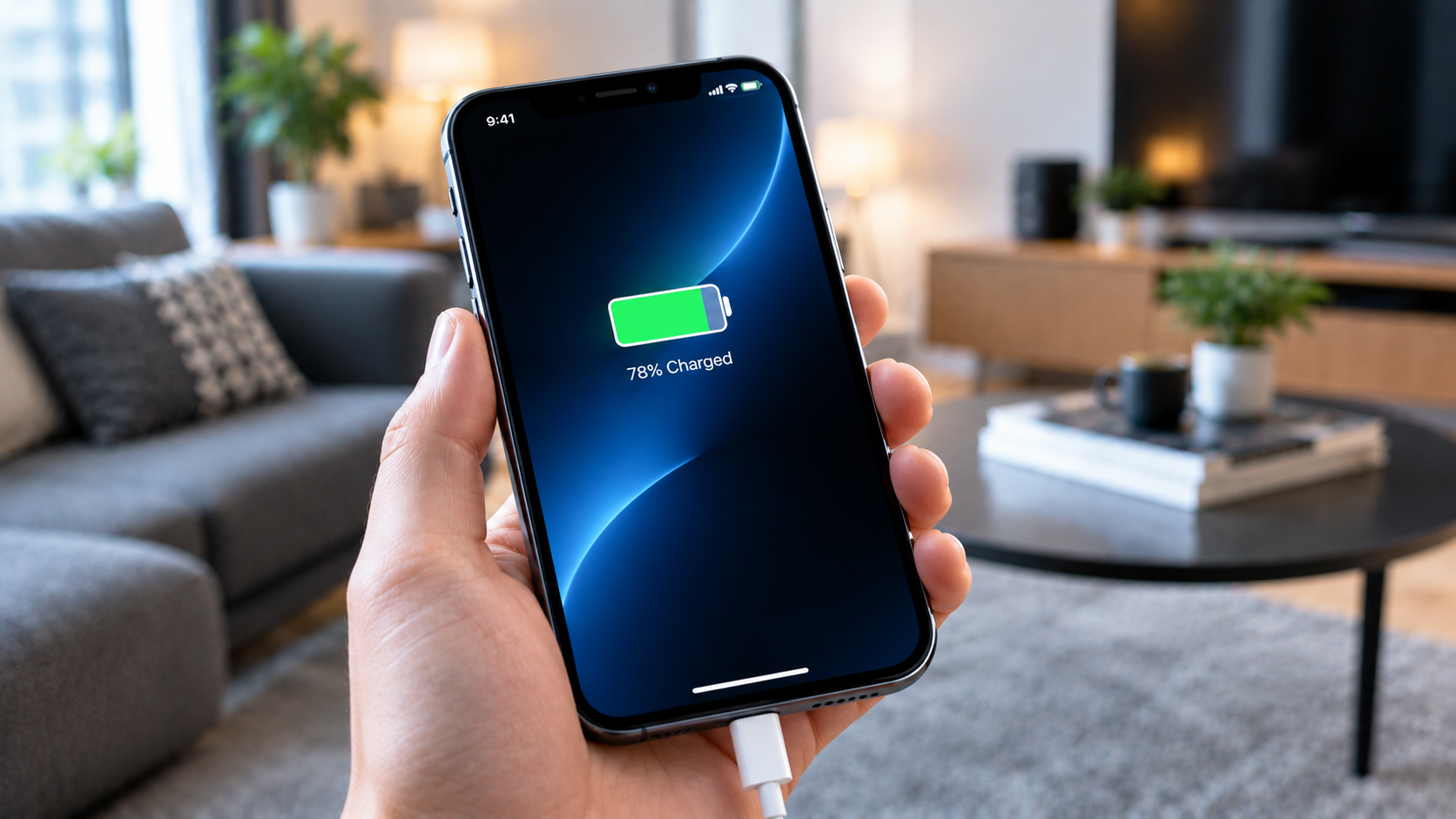
- Avoid charging your iPhone in hot spaces: Charging generates its own internal heat, so combining it with a warm environment (like a nightstand near a lamp, a car seat, or a window exposed to sun) can drastically raise your iPhone’s temperature. Charge your device in a cool, well-ventilated area, and remove the case while charging to improve heat dissipation.
- Limit intensive features in high heat: Functions like 5G, Bluetooth, and location services can drain battery and add to heat when your iPhone is already warm. Temporarily turning off non-essential features when you’re in a hot environment (like a summer day outdoors) reduces strain on your device.
- Adjust display brightness settings: Your iPhone’s screen is one of the biggest consumers of power. If auto-brightness is cranking the screen to maximum in low light, it can generate excess heat. Manually lowering brightness to a comfortable level, especially in warm conditions, reduces the amount of energy your device uses, lowering heat output.
Overheating is a common, solvable issue for iPhone users, and understanding how to fix iPhone overheating starts with identifying whether the problem is immediate, app-related, or a long-term usage pattern. By taking quick steps to cool a warm device, resolving misbehaving apps to cut excess heat, and adopting preventive habits to avoid future spikes, you can keep your iPhone running smoothly, extend its battery life, and prevent costly hardware repairs. If your iPhone continues to overheat even after trying all these steps, it may signal a deeper hardware issue, and contacting Apple Support or an authorized repair provider is the next appropriate action.
Everything above about “how to fix iPhone overheating” is originally written by our editorial team. Reproduction is strictly prohibited.