
Samsung headphones not detected is the central topic of this article, and the following content explains the key points, practical uses, and decisions around it.
If you’ve ever tried to use your Samsung headphones—whether a pair of Galaxy Buds Pro, Level U wireless earbuds, or wired AKG earbuds—for a work call, workout playlist, or movie night only to encounter the frustrating error “Samsung headphones not detected,” you’re not alone. This issue plagues users across Samsung’s audio product line, affecting both new and old models, and can stem from a range of simple fixes to more advanced troubleshooting steps.
Basic Initial Checks for Wireless Samsung Headphones
Wireless Samsung headphones rely on Bluetooth connectivity, so many detection issues are caused by minor, easy-to-resolve glitches rather than hardware damage. Start with these quick checks before moving to more involved steps to save time and effort.
Confirm Bluetooth Pairing Mode
When your Samsung headphones are not detected, they may have fallen out of pairing mode or lost their connection history with your host device. For Galaxy Buds series models, activate pairing mode by placing the earbuds in their charging case, keeping the lid open, and holding the touchpad on both earbuds for 3 to 5 seconds until the LED indicator blinks blue or white—this signals they’re ready to pair again. For older wireless models like Samsung Level headphones, a similar process applies: hold the power button for 4 to 6 seconds until the LED flashes, then re-scan for devices on your phone or laptop’s Bluetooth menu.
Check Battery Levels and Physical Placement
Dead or low batteries are a common cause of Samsung headphones not being detected, especially for wireless models. If your earbuds’ battery is below 10%, the case may fail to establish a connection with your device, or the headphones may power off mid-use. Additionally, ensure the earbuds are properly seated in their charging case with no debris blocking the metal contact points—cotton, dust, or earwax buildup can prevent the case from charging the buds or transmitting pairing data, leading to detection errors.
Fixing Wired Samsung Headphones That Are Not Detected
Wired Samsung headphones, which typically use USB-C or 3.5mm audio jacks, can also run into detection issues, though these are often related to physical connections rather than Bluetooth settings. Whether you’re using wired AKG earbuds that came with a Samsung Galaxy phone or a third-party Samsung wired headphone model, follow these steps to resolve the problem.
Inspect the Audio Port and Cable
Debris in the device’s audio port or a faulty cable is the most common culprit for wired headphone detection failures. For USB-C or 3.5mm ports on your phone, tablet, or laptop, use a can of compressed air to gently blow out any dust, lint, or earwax—avoid using sharp objects like toothpicks, as these can damage the port pins. Test your Samsung headphones with another device to rule out a defective cable; if they work on a different device, the original port on your primary device may need repair.
Update Device Compatibility and Firmware
Older versions of Android or Samsung’s One UI software sometimes have compatibility bugs that prevent wired headphones from being detected. Check for system updates on your device by going to Settings > Software Update and installing any available patches. For newer wired Samsung headphones, some models receive firmware updates that address detection issues; you can install these via the Samsung Galaxy Wear app, which is designed to manage and update Samsung audio accessories.
Advanced Troubleshooting for Persistent “Samsung Headphones Not Detected” Issues
If basic checks don’t resolve the problem, it’s time to move to more advanced steps that address firmware conflicts, pairing glitches, or software interference. These steps work for both wireless and wired Samsung headphones, making them versatile for any model.
Factory Reset Your Samsung Wireless Headphones
Factory resetting your wireless headphones erases all old pairing data and restores the device to its default settings, which can fix persistent detection bugs. For Galaxy Buds models, place the earbuds in their charging case, keep the lid open, and hold the setup button on the back of the case for 10 to 15 seconds until the LED flashes white. For Samsung Level over-ear headphones, hold the power button and volume down button simultaneously for 10 seconds until the LED blinks twice. Once reset, re-pair the headphones with your device via Bluetooth settings.
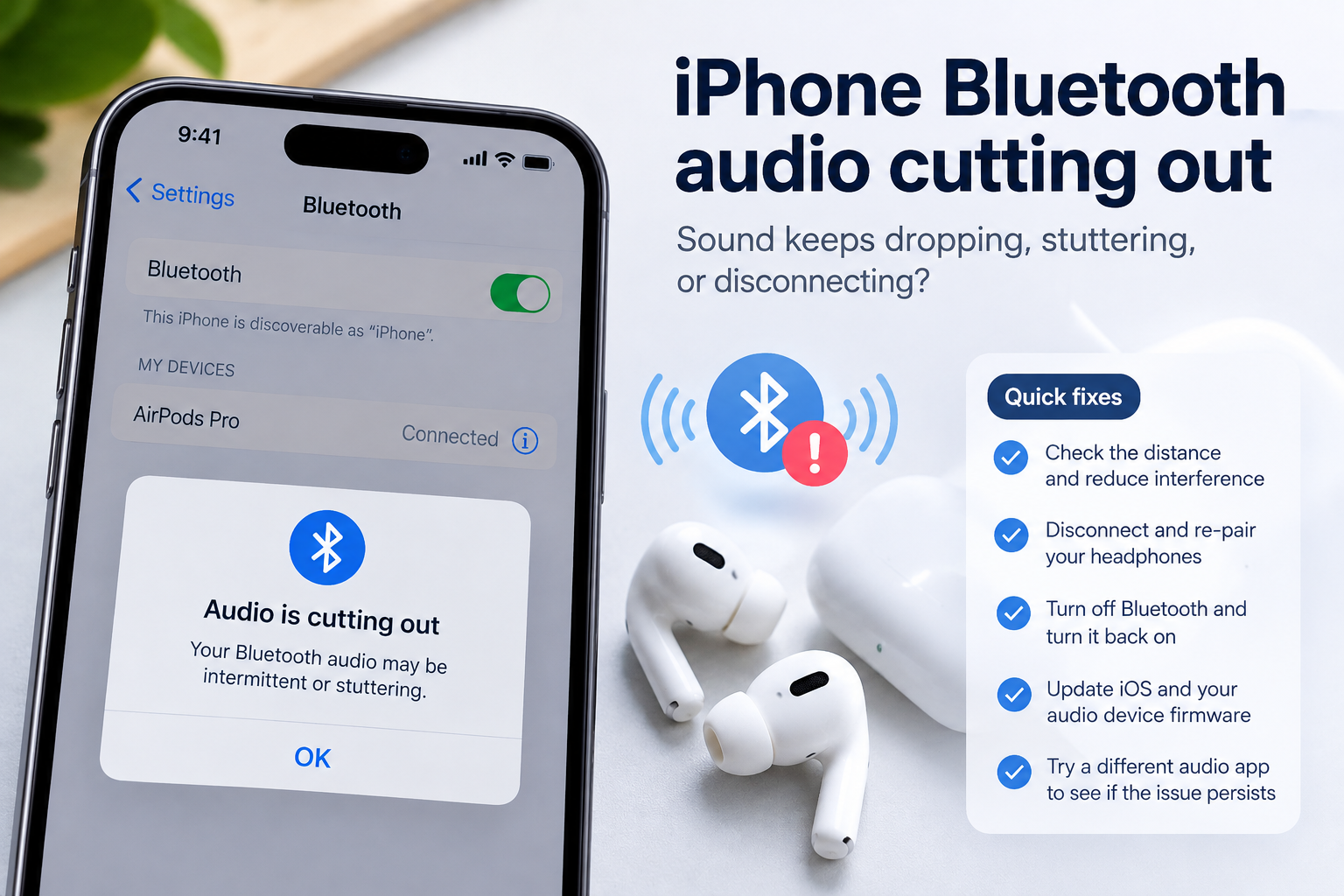
- Toggle Bluetooth off and on on your host device: This refreshes the Bluetooth connection and eliminates temporary glitches that may block detection of your Samsung headphones.
- Forget all old Bluetooth pairings: Go to your device’s Bluetooth settings, find your Samsung headphones in the list of paired devices, and select “Forget” or “Remove Device” to clear conflicting pairing data.
- Update your device’s operating system: Manufacturers like Samsung regularly release software updates that patch audio detection bugs; install any pending One UI or Android updates to ensure compatibility.
- Disable third-party Bluetooth apps: Apps like Bluetooth managers or audio enhancers can interfere with Samsung headphone connectivity; temporarily disable these apps to test if they’re causing the issue.
To wrap up, resolving “Samsung headphones not detected” issues usually starts with simple checks like verifying pairing mode, cleaning ports, and checking battery levels, before moving to advanced steps like factory resets or software updates. Whether your headphones are wireless or wired, most problems can be fixed without professional repair, saving you time and the cost of a replacement accessory. By following these structured troubleshooting steps, you can get your Samsung headphones working again quickly for any audio use case.
Everything above about “Samsung headphones not detected” is originally written by our editorial team. Reproduction is strictly prohibited.