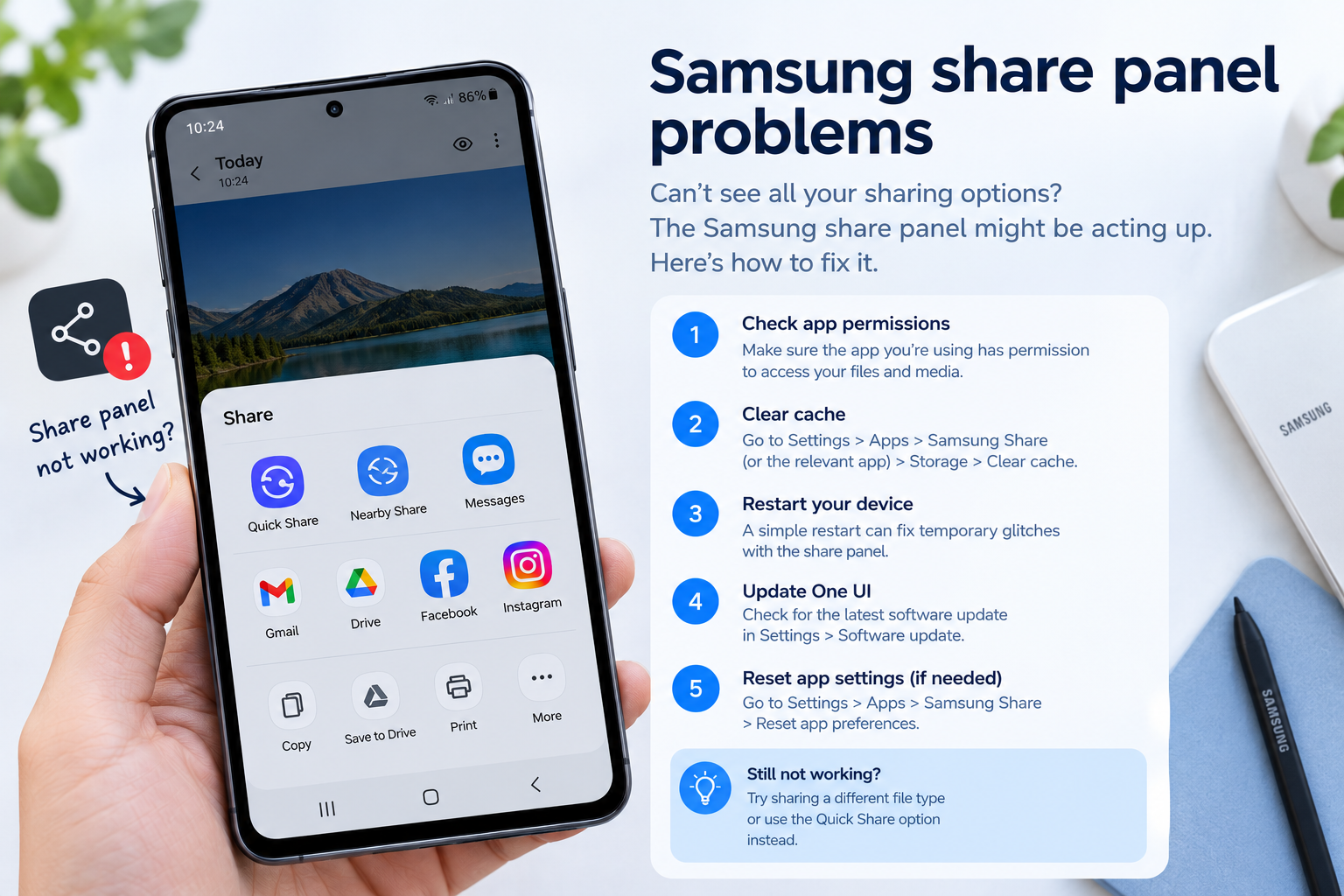
For anyone relying on their smartphone’s Emergency SOS feature to get help during a crisis, encountering an Emergency SOS not working issue can turn a potentially dangerous situation into a frustrating, high-stakes problem. Whether you’re dealing with an unresponsive physical button, failed alerts to saved emergency contacts, or no cellular signal when you need to call for help, this comprehensive guide breaks down actionable fixes to resolve common Emergency SOS problems on both iOS and Android devices, so you can restore this critical lifeline feature quickly.
Basic Hardware & Software Checks for Emergency SOS Issues
The most common causes of an Emergency SOS not working are simple hardware or software glitches that are easy to resolve without professional help. Many users overlook these quick fixes before moving to more complex troubleshooting, so they should always be the first step.
Unresponsive Physical Buttons (iOS & Android)
For devices that use physical buttons to trigger Emergency SOS (like iPhones with side buttons, or Android phones with power + volume key combinations), jammed or damaged buttons are a top culprit. If you’ve recently dropped your phone, spilled liquid on it, or accumulated dirt around the button slot, debris can prevent the button from registering taps or long presses. To fix this, gently blow compressed air into the button’s edge to remove dust or lint, and test the button again after cleaning. If the button still doesn’t work, check for physical damage like cracks in the button assembly, which may require a service center visit.
Outdated Operating System Versions
Bugs in older OS updates are a frequent cause of Emergency SOS malfunctions. For example, iOS 15 had multiple reports of Emergency SOS failing to send alerts to emergency contacts, a problem that was resolved in iOS 15.6. For Android, the Samsung Galaxy S23 series had a similar issue in the initial One UI 5.1 update, fixed in a subsequent security patch. To address this, go to your device’s settings menu and install all pending OS updates, as these often include critical fixes for emergency service features.
- Verify no physical obstructions are covering your phone’s SIM tray or internal antennas, which can block emergency signal reception
- Toggle Airplane Mode on for 10 seconds, then turn it off to reset your device’s network connection
- Disable Low Power Mode temporarily, as it sometimes restricts background functions needed to send Emergency SOS alerts
Network & SIM Card Troubleshooting for Emergency SOS
Emergency SOS relies on a stable cellular or Wi-Fi connection to transmit alerts to emergency services and your saved contacts. If your network or SIM card is not working properly, your SOS feature will fail to activate as expected.
Weak or No Cellular Signal
A 2023 Pew Research Center study found that 1 in 10 rural smartphone users in the U.S. face gaps in cellular coverage that prevent emergency calls, even when their regular calls work. If you’re in a remote area, moving to a higher elevation or near a window can improve signal strength. For devices that support Wi-Fi Calling, enable this feature in your Emergency SOS settings—iOS and Android allow SOS calls to be routed over Wi-Fi if cellular is unavailable, which works in most areas with a Wi-Fi connection.
Faulty or Misplaced SIM Card
A damaged, loose, or improperly inserted SIM card can disrupt your device’s ability to connect to emergency services. For physical SIM cards, power off your phone, remove the SIM tray using the eject tool, inspect the card for cracks or scratches, and reinsert it firmly into the tray. For eSIM users, go to your device’s settings, navigate to the SIM card menu, and toggle the eSIM profile off and back on to reset the connection. If your SIM is damaged, contact your carrier for a replacement SIM card to restore connectivity.
Adjust Emergency SOS Settings to Fix Configuration Errors
Incorrect settings are another common reason for an Emergency SOS not working. Many users accidentally disable critical features or enter wrong information that breaks the SOS functionality.
Missing or Outdated Emergency Contact & Medical ID
On iOS, Emergency SOS requires you to set up a Medical ID and add at least one emergency contact to send alerts with location data. If your Medical ID is incomplete (like missing your allergies or medical conditions) or your emergency contacts are outdated, the feature may fail to send alerts. To fix this, go to Settings > Emergency SOS (iOS) or Safety & Emergency (Android) to verify your contacts are saved, and update your Medical ID to ensure responders have accurate information.
Third-Party App Interference
Battery optimization, security, or privacy apps can sometimes block Emergency SOS from accessing background data or triggering alerts. For example, the popular Android battery saver app Greenify has been known to restrict SOS functions to preserve battery, while some iOS ad-blocking apps can interfere with location sharing for alerts. To test this, temporarily disable any third-party security or battery apps, then try activating Emergency SOS. If it works, add the Emergency SOS feature to the app’s whitelist to prevent future interference.
Advanced Troubleshooting for Persistent Emergency SOS Issues
If basic checks and settings adjustments don’t fix your Emergency SOS not working problem, you may need to try more advanced fixes, or consider hardware repairs.
Reset Network or All Settings
Misconfigured network settings are a common hidden cause of SOS failures. For iOS, go to Settings > General > Transfer or Reset iPhone > Reset > Reset Network Settings (or Reset All Settings, which resets all customized settings without deleting personal data like photos or apps). For Android, go to Settings > System > Reset > Reset Network Settings. This will reset Wi-Fi, Bluetooth, and cellular settings to default, which can resolve conflicts that block Emergency SOS.
Hardware Repair or Replacement
If all software and network fixes fail, the issue is likely hardware-related. Common hardware problems include a damaged antenna module, faulty logic board, or broken SOS button. Apple, Samsung, and Google offer official repair services; if your device is still under warranty, many of these repairs are free or low-cost. For older devices, it may be more cost-effective to replace the device entirely, as hardware repairs for older smartphones can sometimes exceed the device’s value.
Fixing an Emergency SOS not working issue follows a clear, step-by-step process that starts with simple checks and moves to more advanced solutions. The most effective fixes include updating your OS, cleaning physical buttons, verifying network connectivity, adjusting emergency settings, and resetting misconfigured preferences. For hardware problems, professional repair or replacement is the only long-term fix. By regularly testing your Emergency SOS feature and keeping your device updated, you can ensure it’s ready to rely on when every second counts.
Everything above about “Emergency SOS not working” is originally written by our editorial team. Reproduction is strictly prohibited.