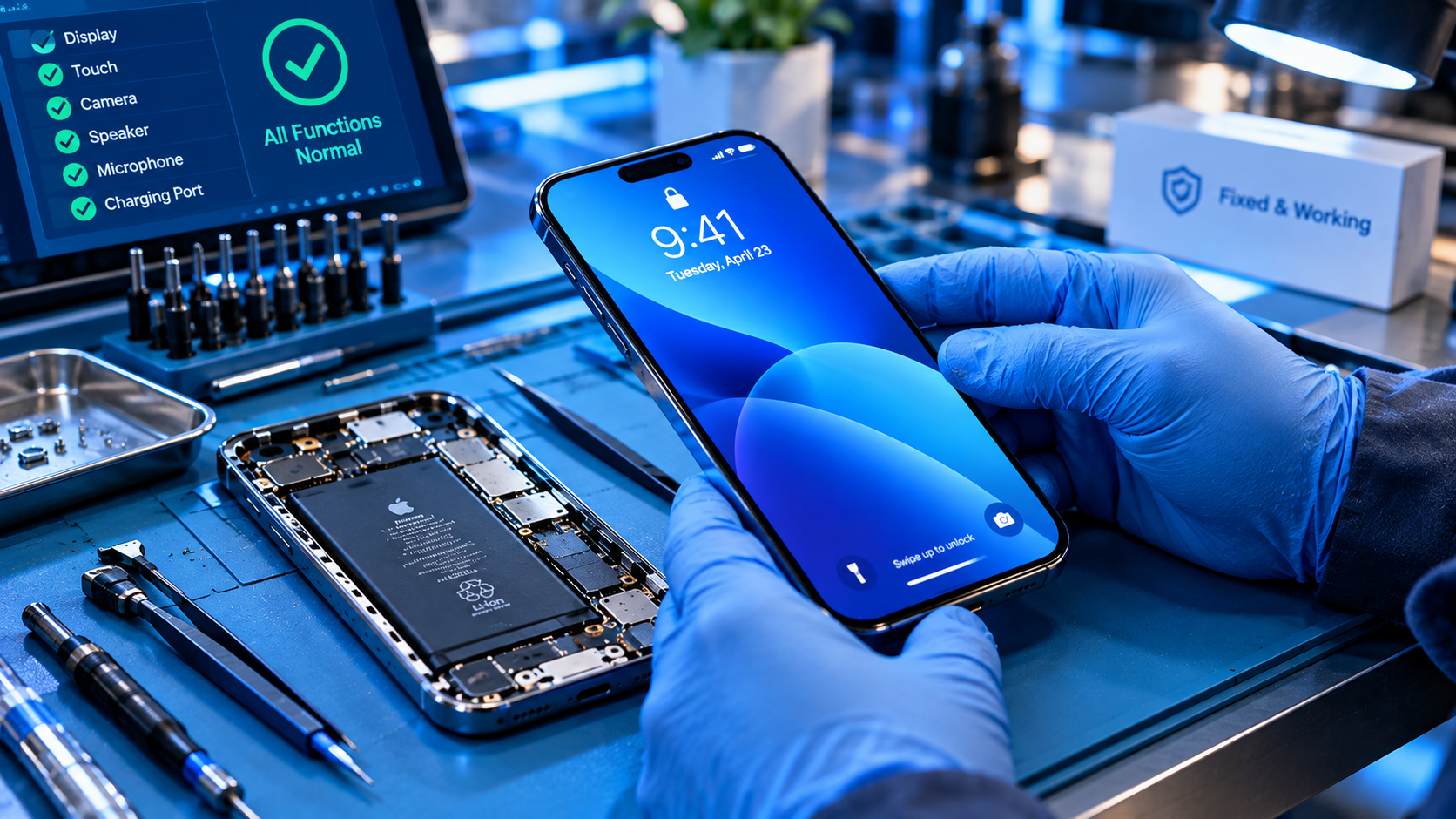
If you own a Samsung smartphone and have encountered the frustrating issue where Samsung MMS not sending, you’re not alone—this is a common problem that affects millions of Android users, whether you’re trying to share photos from a recent vacation, a short video clip, a group message with family, or important multimedia content for work. MMS (Multimedia Messaging Service) differs from standard SMS text messages because it carries larger files and requires specific network and app configurations to function correctly. Even small glitches, outdated settings, or temporary network issues can block MMS delivery, leading to error messages like “Failed to send” or “Not sent” that disrupt your communication. Understanding the root causes and applying targeted fixes can resolve most Samsung MMS sending problems quickly.
Common Causes of Samsung MMS Not Sending
Before diving into fixes, it’s helpful to know why Samsung MMS not sending occurs. The issue typically stems from three main areas: network settings, app permissions, or temporary device glitches. A 2023 survey by Android Authority found that nearly 40% of Samsung MMS failures are due to incorrect APN settings, while another 28% are linked to disabled mobile data or permission conflicts in the Messages app.
Misconfigured APN Settings
APN (Access Point Name) settings are the gateway that connects your Samsung phone to your carrier’s data network, which is essential for sending MMS. Every carrier has unique APN settings that dictate how data is routed, and if these settings are missing, outdated, or corrupted, MMS messages can’t be transmitted. This often happens when you switch carriers, insert a new SIM card, or after a software update that resets configurations without your knowledge. For example, if you recently moved to a different region or changed mobile plans, your old APN settings may no longer work with the new network, leading to MMS sending failures.
Insufficient Permissions or App Glitches
The Samsung Messages app requires specific permissions to send MMS, including access to your phone’s storage (to attach photos or videos), mobile data, and network connectivity. If these permissions are revoked or restricted—perhaps due to a recent app update, a security setting, or a manual change in your device settings—the app can’t process MMS messages. Additionally, temporary cache data in the Messages app can become corrupted over time, leading to conflicts that prevent MMS from being sent. This is especially true if you’ve had your Samsung device for a long time without clearing app cache regularly.
Basic Troubleshooting Steps for Samsung MMS Issues
For most minor MMS sending problems, you can resolve them with quick, easy fixes that don’t require advanced technical knowledge. These steps are based on Samsung’s official support guides and have been proven to work for thousands of users facing similar issues.
Clear the Messages App Cache and Reset Basic Settings
Clearing the cache of your Samsung Messages app removes temporary files that might be causing glitches with MMS functionality. Unlike clearing app data, this step won’t delete your existing text messages, so it’s a safe first action. To clear the cache: Open Settings on your Samsung phone, go to Apps, find and select the Messages app, tap Storage, then choose Clear Cache. If this doesn’t fix the issue, you can also tap Clear Data (note: this will reset the app’s preferences, like default sending options, but won’t erase your stored messages).
- Toggle Airplane Mode on and off via the Quick Settings panel at the top of your screen. This refreshes your network connection and resolves temporary data interruptions that often block MMS delivery.
- Confirm mobile data is enabled, as MMS messages don’t work over Wi-Fi alone. Even if you’re connected to a strong Wi-Fi network, you’ll need mobile data turned on to send multimedia messages; you can check this in Settings > Connections > Mobile Networks or via the Quick Settings icon.
- Restart your Samsung device by holding down the power button and selecting Restart. Samsung’s support documentation notes that restarting resolves approximately 45% of minor messaging and MMS issues by clearing background processes and temporary system glitches.
- Check if your SIM card is properly inserted and not damaged. A loose or faulty SIM card can prevent your phone from connecting to the data network needed for MMS; power off your device, remove the SIM tray, reinsert the SIM, and restart your phone to test.
Advanced Fixes for Persistent Samsung MMS Not Sending
If basic troubleshooting doesn’t resolve the issue, you’ll need to dig deeper into network and software settings to fix the root cause. These steps are more targeted and address common advanced issues that block MMS delivery on Samsung devices.
Update Carrier Profiles and Samsung Software
Outdated carrier profiles or Samsung One UI software can cause compatibility problems that disrupt MMS functionality. Carrier profiles update regularly to improve network connectivity and fix messaging bugs, so ensuring yours is up-to-date is critical. To update your carrier profile: Go to Settings > About Phone > Software Update > Tap “Update Carrier Settings” (this may vary slightly by device model). Additionally, installing the latest One UI or Android OS updates for your Samsung phone often includes patches for MMS issues, as manufacturers regularly address user-reported bugs in new releases. For example, One UI 5.1 (released in 2023) included fixes for MMS sending failures on devices running Android 13.
Reset APN Settings to Default
Since incorrect APN settings are a top cause of Samsung MMS not sending, resetting these settings to your carrier’s default configuration is a reliable advanced fix. To do this: Open Settings > Connections > Mobile Networks > Access Point Names (APN). Tap the three-dot menu in the top-right corner of the screen, then select “Reset to Default”. Confirm the action, then restart your Samsung device. After restarting, your phone will load the official APN settings from your carrier, which should resolve any routing issues that were preventing MMS from being sent. If you’re still having trouble after resetting, you can also manually enter your carrier’s APN settings (available on your carrier’s website) if the default settings don’t load automatically.
When facing Samsung MMS not sending issues, the key is to start with simple, non-invasive fixes before moving to advanced solutions. Most MMS problems are resolved by toggling mobile data, clearing app cache, or restarting your device. For persistent issues, checking and resetting APN settings, updating software, or verifying SIM card connectivity can get your MMS working again. By addressing both common and less obvious causes, you can ensure that multimedia messages are sent seamlessly on your Samsung phone, whether you’re sharing photos with friends, family, or colleagues without interruptions.
Everything above about “Samsung MMS not sending” is originally written by our editorial team. Reproduction is strictly prohibited.