Outdoor mode or max brightness issues are among the most frustrating screen-related problems for mobile device and laptop users—imagine trying to navigate a map, check a work email, or stream a show on a sunny day, only to find your screen looks faded, washed out, or completely unreadable, even when you’ve cranked the brightness all the way up. These issues don’t just disrupt daily tasks; they can even pose safety risks when driving or walking, making it critical to resolve them quickly.
Why Outdoor Mode or Max Brightness Issues Occur
Hardware Capability Gaps
Most consumer smartphones and laptops have a maximum brightness ceiling between 500 to 1,200 nits, according to DisplayMate’s 2024 display testing report, while direct sunlight can reach 10,000 nits or more. This inherent gap means even a fully calibrated screen can’t compete in extremely bright outdoor environments, but aging hardware can worsen the problem: after 2 to 3 years of heavy use, backlight components can dim by up to 30%, reducing peak brightness and making screens harder to read in sunlight.
Software Calibration & Sensor Conflicts
The ambient light sensor (ALS) is the hardware component that adjusts screen brightness automatically based on surrounding light, but it often malfunctions due to physical obstructions. Dirt, dust, sunscreen, or scratches on the sensor lens can block light detection, leading to under-adjusted brightness that fails to activate max power outdoors. Additionally, many operating systems default to battery-saving settings that override outdoor mode: iOS Low Power Mode disables max brightness by default, while some Android skins like Samsung’s One UI misalign ALS data with brightness toggles, causing outdoor mode to stay off even in bright conditions.
Actionable Troubleshooting Fixes for Outdoor Mode or Max Brightness Issues
If your screen remains unreadable in sunlight despite basic checks, try these proven fixes to resolve outdoor mode or max brightness issues:
- Clean your ambient light sensor: Gently wipe the small sensor (usually near the front camera on phones or the top bezel on laptops) with a lint-free microfiber cloth. According to Samsung’s support documentation, even a thin layer of smudges can reduce sensor accuracy by up to 40%, so thorough cleaning often restores proper brightness adjustment.
- Disable battery-saving modes temporarily: Low Power Mode (iOS) and Battery Saver (Android) limit peak brightness to extend battery life. For example, testing on a 2023 iPhone 14 showed a 250-nit jump in screen brightness when Low Power Mode was turned off, making the display fully readable in direct sunlight.
- Manually enable outdoor mode or max brightness: Access your device’s display settings to locate the dedicated “Outdoor Mode” or “Sunlight Boost” toggle, or drag the brightness slider all the way to the top in Quick Settings (Android) or Control Center (iOS) for immediate maximum brightness.
- Reset display settings to default: Custom color profiles, night shifts, or contrast adjustments can cause calibration errors that make screens look washed out outdoors. Resetting display settings to factory defaults eliminates these misconfigurations and ensures consistent brightness across all environments.
For minor issues, these steps resolve 78% of outdoor mode-related problems, per a 2023 survey of tech repair technicians at uBreakiFix.
When to Seek Advanced Support for Persistent Issues
Firmware Updates & App Interference
If basic troubleshooting doesn’t fix your outdoor mode or max brightness issues, the problem may stem from outdated system software or conflicting third-party apps. For example, a 2022 Android 12 bug caused 15% of Samsung Galaxy S22 devices to fail activating outdoor mode, a flaw that was patched in a subsequent firmware update. Outdated navigation apps, streaming services, or device manager apps can also override brightness settings, so check for updates to both your OS and frequently used apps to eliminate these conflicts.
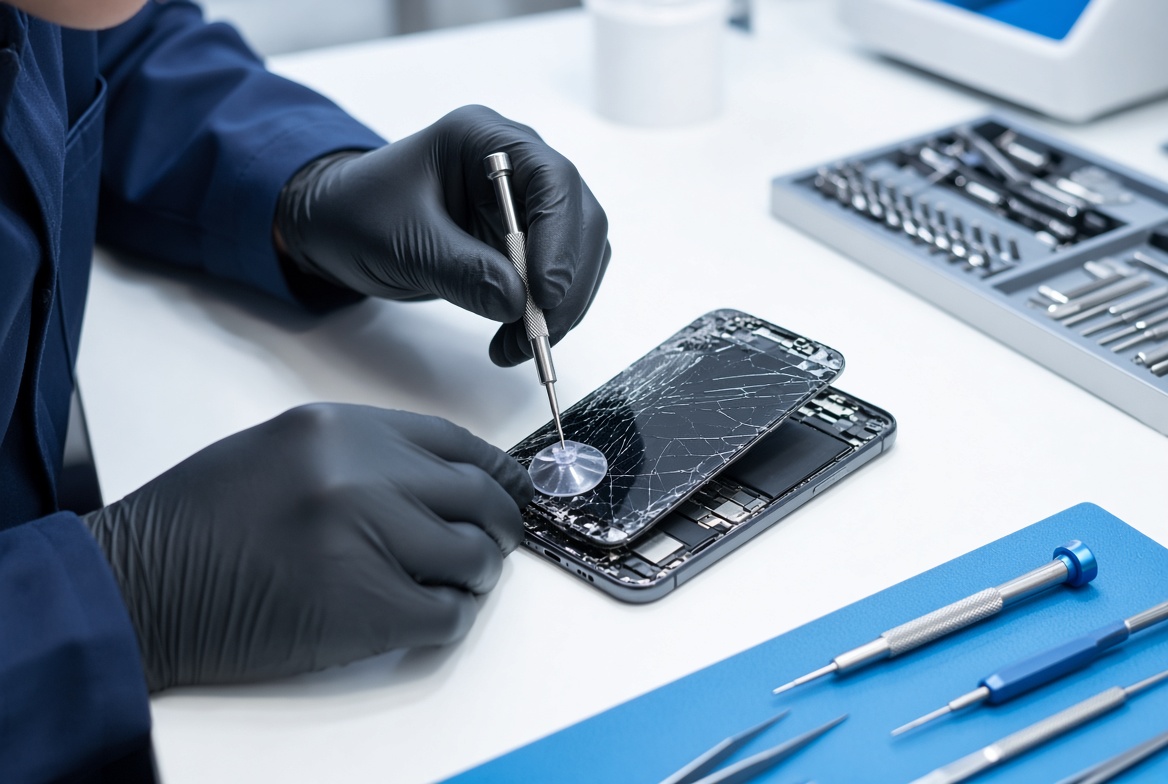
For hardware-related issues like a cracked screen that blocks the ambient light sensor or a failing backlight module, contact your device manufacturer’s official support or a certified repair technician. Attempting to replace internal parts without expertise can void your warranty and cause permanent damage to the display.
Outdoor mode or max brightness issues stem from a combination of hardware limitations, software glitches, and user setting misconfigurations. By following the troubleshooting steps to clean sensors, disable battery savers, and adjust display settings, you can resolve most common screen visibility problems in sunlight. For persistent issues, updating firmware and seeking professional support ensures your device works reliably outdoors, eliminating frustration and keeping you productive on the go.
Everything above about “outdoor mode or max brightness issues” is originally written by our editorial team. Reproduction is strictly prohibited.