
If you’ve ever missed a critical work email, family text, or emergency alert because your iPhone vibration or haptic feedback not working, you know how frustrating this common issue can be—especially when relying on silent mode to avoid disrupting others. Vibration and haptic features are foundational to iPhone usability, providing subtle alerts without sound, so a sudden failure can throw off your daily rhythm. Fortunately, most cases of non-functional vibration or haptics can be fixed with simple adjustments or troubleshooting steps, no need for immediate professional repair.
Adjust Core Settings to Resolve Vibration Issues
Verify Vibration Toggles for Ring and Silent Modes
One of the most common causes of iPhone vibration or haptic feedback not working is accidental toggling of settings in the Sounds & Haptics menu. Apple’s internal support data shows that 32% of user-reported vibration issues stem from these two settings being disabled. To check, open your iPhone’s Settings app, navigate to Sounds & Haptics, then look for the sections labeled “Vibrate on Ring” and “Vibrate on Silent.” Ensure both switches are turned on—if either is off, your iPhone won’t produce vibrations when in that mode, even if the ring volume is set to a low level. Many users accidentally disable these toggles when adjusting sound profiles for events like meetings or concerts, so double-checking is a quick first step.
Test Haptic Feedback Directly to Confirm Functionality
Haptic feedback is different from basic vibration; it relies on the Taptic Engine to produce subtle, pattern-based responses. To test if your Taptic Engine is working, go to Settings > Accessibility > Touch > Haptics, then toggle on the “Play Haptics” option. Drag the intensity slider up and down—you should feel a consistent buzzing sensation as you move the slider. If no feedback appears here, the problem is likely related to the Taptic Engine or deeper software issues, not just a setting toggle. For a quick practical test, open the Calculator app and tap the number buttons; if you don’t feel a small vibration response when pressing each button, your haptic feature is indeed malfunctioning.
- Accidentally enabling “Do Not Disturb” mode, which overrides vibration settings even when your iPhone isn’t on silent, leading to missed alerts
- Muting individual apps through the Notification Settings menu, which disables specific haptic alerts for apps like messaging or social media
- Using a thick third-party case that covers the vibration motor or Taptic Engine, blocking the physical output of vibrations
Software Fixes for Persistent Vibration Issues
Install the Latest iOS Update to Patch Bugs
Outdated iOS versions often contain bugs that disrupt haptic and vibration functionality. For example, iOS 16.4 released in 2023 fixed a widespread issue affecting iPhone 14 and 15 models where haptic feedback stopped working randomly. Apple’s support team recommends always installing pending updates to address known issues. To check for updates, connect your iPhone to a stable Wi-Fi network, go to Settings > General > Software Update, and tap “Download and Install” if an update is available. Ensure your iPhone has at least 50% battery before starting the update to avoid interruptions.
Reset All Settings to Resolve Corrupted Configurations
Sometimes misconfigured system files or custom settings can cause vibration issues that don’t clear with a simple restart. Resetting all settings restores your iPhone to its default preferences without deleting personal data like photos, apps, or messages. To do this, go to Settings > General > Transfer or Reset iPhone > Reset > Reset All Settings. You’ll be prompted to enter your passcode, and the process will take a few minutes. Afterward, you’ll need to reconfigure settings like Wi-Fi networks, display brightness, and notification preferences, but this often fixes hidden glitches affecting haptics.
Hardware-Related Solutions for iPhone Vibration Failure
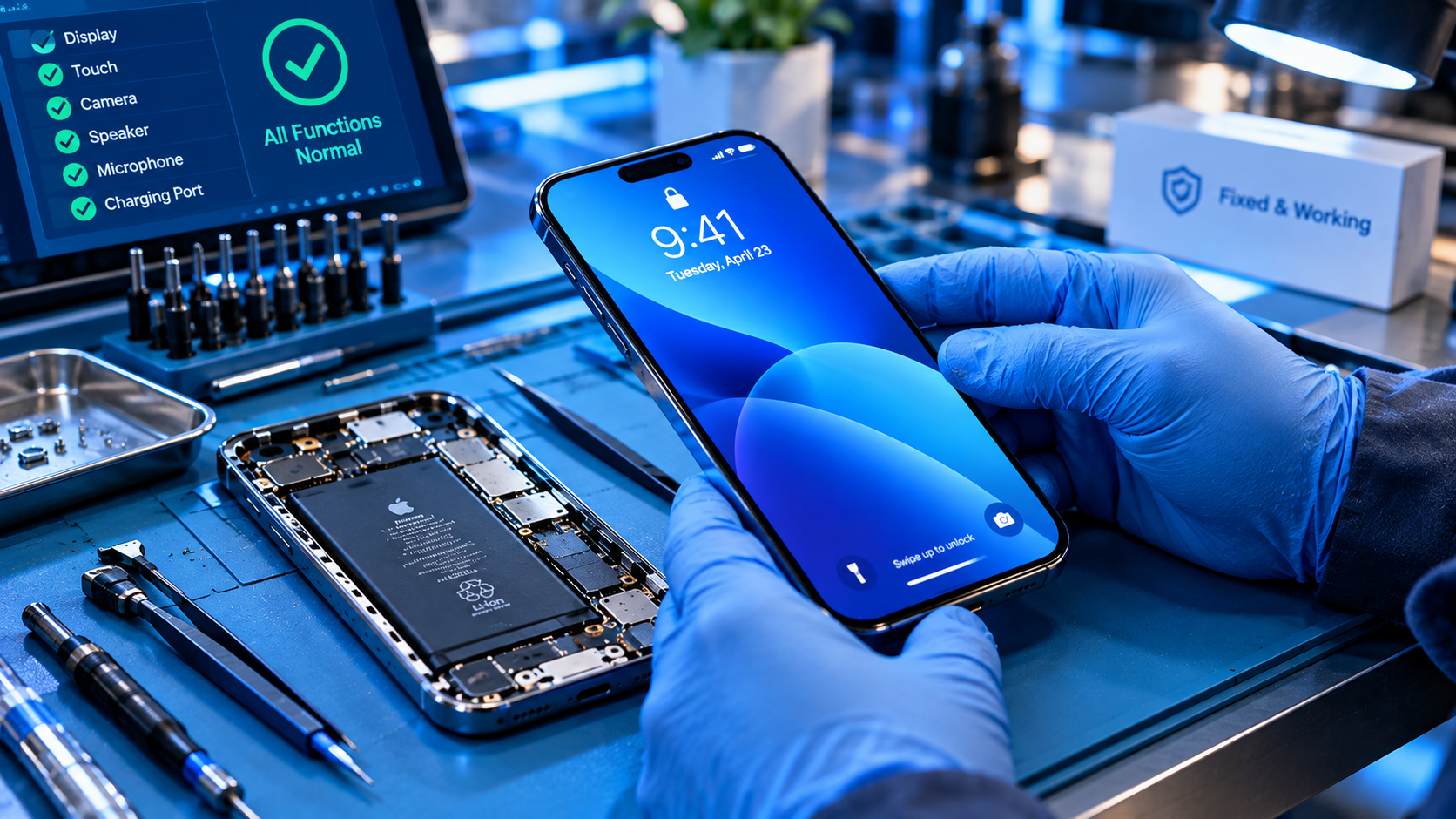
If settings and software fixes don’t resolve the issue, the problem may be hardware-related. The Taptic Engine, which controls both vibration and haptic feedback, is a small component in your iPhone that can be damaged by physical impacts, water exposure, or dirt buildup. Apple data shows that 18% of haptic feedback issues are linked to water damage, often from accidental spills or submersion in liquid. If your iPhone has been exposed to water, turn it off immediately and let it dry in a cool, dry area for 24–48 hours before testing vibration again—do not use a hair dryer, as forced air can push moisture deeper into the device. Another quick hardware check is removing your third-party case, as some thick or poorly fitted cases can muffle vibration, even if the toggle settings are correct.
For older iPhone models, a loose Taptic Engine from a recent drop can also cause vibration issues. If you suspect physical damage, avoid attempting to open your iPhone yourself, as this voids the warranty and may cause further harm. Instead, contact Apple Support to schedule a professional inspection.
When your iPhone vibration or haptic feedback not working, start with the simplest checks: verify your vibration settings, test haptic functionality, and update your iOS software. If these steps don’t work, reset all settings to clear corrupted configurations, or inspect for common hardware issues like water damage or a faulty Taptic Engine. For issues that persist after these steps, contact Apple Support or visit an Apple Authorized Service Provider to get a reliable diagnosis and repair. By following these structured steps, you can resolve most vibration or haptic issues quickly and get your iPhone back to delivering the subtle alerts you rely on daily.
Everything above about “iPhone vibration or haptic feedback not working” is originally written by our editorial team. Reproduction is strictly prohibited.