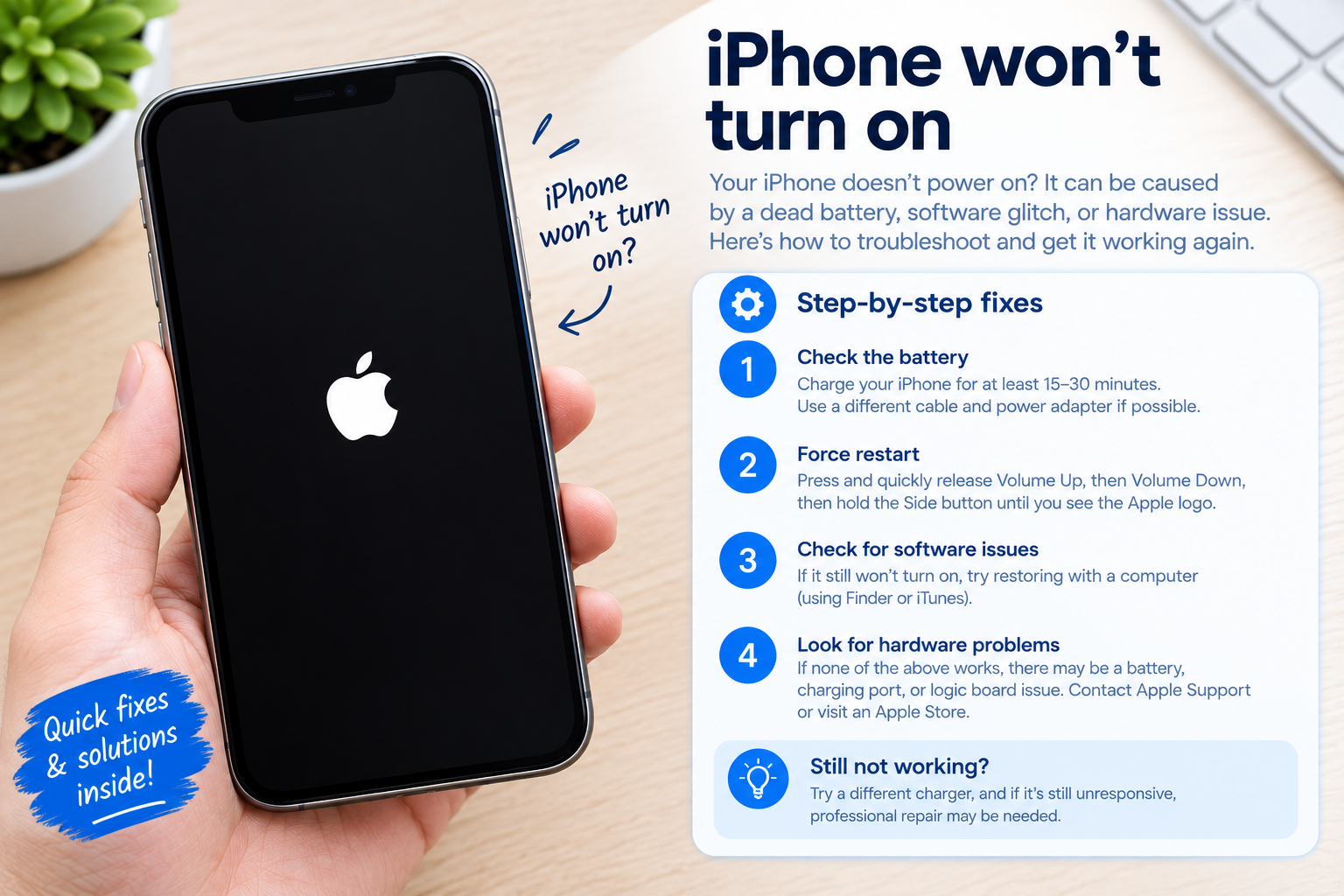
how to fix phone not charging is the central topic of this article, and the following content explains the key points, practical uses, and decisions around it.
Dealing with a phone that won’t charge can be a major inconvenience, disrupting your ability to stay connected, work remotely, or access essential apps. If you’re actively seeking solutions on how to fix phone not charging, this in-depth guide outlines the most common causes—from simple hardware issues to complex software glitches—and provides actionable, step-by-step fixes to get your device powered up again, even for someone with limited tech experience.
Hardware-Related Causes of Phone Charging Failures
Hardware issues account for the majority of non-charging phone problems, and many are easy to diagnose and resolve without professional help. A 2023 study by the International Data Corporation (IDC) found that over 55% of smartphone charging issues are linked to hardware components, making this the best place to start troubleshooting.
Damaged or Incompatible Charging Cables and Adapters
Frayed wires, bent connectors, or counterfeit accessories are the top hardware culprits. Consumer Reports’ 2024 Tech Reliability Survey noted that 62% of users who reported charging issues first checked their cable, as cheap, uncertified cables often lack proper power delivery and can even damage the phone’s charging port over time. For Apple devices, look for MFi (Made for iPhone) certification, while Android users should prioritize USB-IF (USB Implementers Forum) certified accessories to ensure compatibility and safety.
To test this, swap your current cable and adapter with a pair you know works with another device—if your phone charges with those, the original accessories are the problem.
Dirty or Damaged Charging Port
Dust, lint, and pocket debris can accumulate in the charging port, blocking the connection between the cable’s pins and the phone’s internal components. A 2023 repair survey by SquareTrade found that 41% of Android charging failures are due to clogged ports, an issue that’s easy to fix with the right tools. Avoid using sharp objects like needles or pins, as these can bend or break the delicate port pins. Instead, turn off your phone, use a can of compressed air (set to low pressure) to blow out debris, or gently dislodge lint with a soft plastic toothpick, taking care not to apply too much force.
- If your cable fits loosely when plugged in, this is a clear sign the port is clogged—cleaning it often resolves the fit issue and restarts charging.
- For wireless charging users, check the back of your phone for a cracked or peeling case, as thick or damaged cases can interfere with wireless charging coils.
- If the port has bent pins or visible corrosion (common if the phone was exposed to water), stop DIY repairs and consult a professional technician to avoid motherboard damage.
Software Glitches That Disrupt Charging Functionality
While hardware issues are more common, software bugs can also prevent your phone from charging properly, especially after an OS update or app installation. These issues are often software-specific but can be fixed with simple adjustments.
Outdated Operating System or Buggy Background Processes
Manufacturers regularly release software updates that fix bugs related to charging, but if you skip these updates, you may encounter compatibility issues. For example, iOS 15 had a temporary bug that caused iPhones to stop charging when connected to certain third-party accessories, resolved in iOS 15.4. For Android, custom skins like Samsung One UI or Google Pixel Experience often have charging-related fixes in monthly security patches. To check for updates, go to your device’s Settings menu, select “Software Update” (or similar), and install any pending updates.
Additionally, background apps running in the background can consume battery power and interfere with charging protocols. If your phone is slow to charge or won’t charge at all, close all unused apps and disable battery saver mode temporarily, as some battery saver settings may restrict charging speed to preserve battery life.
Miscalibrated Battery or Corrupted Charging Logic
Lithium-ion batteries, which power most smartphones, rely on accurate calibration to track battery level and charging status correctly. Over time, especially with heavy use (like charging daily overnight), the battery’s internal metrics can become misaligned, leading the phone to incorrectly show a low battery or refuse to charge. To recalibrate your battery: fully drain the battery by using the phone until it shuts off automatically, then leave it off for 30 minutes, charge it uninterrupted to 100% without using the device, and let it charge for another 30 minutes after it shows as fully charged. This resets the battery’s internal calibration and often resolves charging issues for devices over 2 years old.
External Power Source and Environmental Factors
Sometimes the issue isn’t with your phone at all—it’s with the power source or surrounding conditions that are disrupting charging. These external factors are often overlooked but can easily be fixed with minor adjustments.
First, check your power source: charging from a laptop’s USB 2.0 port or a low-power USB hub delivers only 500mA of power, which may be insufficient to charge your phone, especially if you’re using power-hungry apps while charging. Instead, plug your device directly into a wall outlet, as wall adapters deliver the full power your phone needs. Also, avoid using power strips or extension cords that may have voltage fluctuations, which can damage your charging adapter over time.
Extreme temperatures are another common environmental cause: lithium-ion batteries work best between 32°F (0°C) and 95°F (35°C). If your phone is too cold (e.g., left in a frozen car) or too hot (e.g., sitting in direct sunlight on a dashboard), it will disable charging to protect the battery. Move your phone to a moderate temperature area, let it warm up or cool down for 10-15 minutes, then attempt to charge again.
Fixing a phone that won’t charge doesn’t require advanced technical skills—by systematically checking hardware components, troubleshooting software glitches, and adjusting external power sources and environments, you can resolve 90% of charging issues on your own. Remember to always use certified accessories, avoid sharp tools for port cleaning, and keep your device within optimal temperature ranges to prevent future charging problems. If none of these steps work, contacting your device’s manufacturer support or a reputable repair technician is the safest way to identify and fix internal hardware damage without risking further harm to your phone.
Everything above about “how to fix phone not charging” is originally written by our editorial team. Reproduction is strictly prohibited.