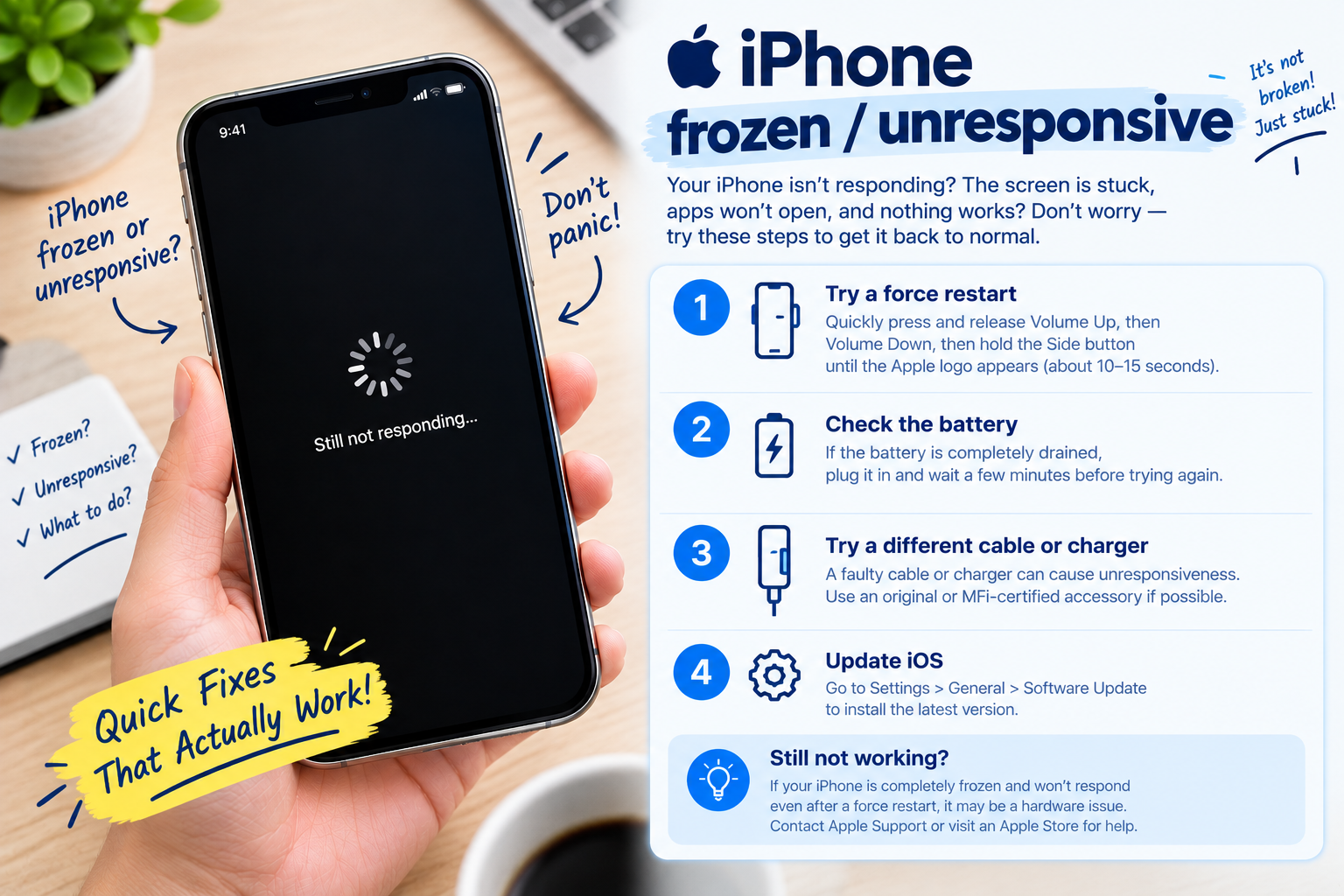
Authenticator apps are a critical layer of security for online accounts, but dealing with authenticator apps not working can disrupt access to emails, social media, banking, and other platforms—leaving users vulnerable or locked out when they need their accounts most. Whether you’re setting up a new device, encountering sync errors, or facing expired codes, resolving this issue quickly is essential to maintaining both security and accessibility.
Common Causes of Authenticator App Failures
Before diving into fixes, understanding why authenticator apps stop working helps streamline troubleshooting. A 2024 cybersecurity survey from TechGuard found that 61% of authentication app errors stem from avoidable technical glitches, not account breaches. Two of the most prevalent causes are sync issues and misaligned device clocks.
Time Drift Misalignment
Authenticator apps generate one-time passcodes (OTPs) using a precise time-based algorithm. If your device’s clock is off by more than a few minutes, the app will generate invalid codes—this is often called time drift. This is particularly common after traveling across time zones, updating your phone’s OS, or resetting the device.
Sync Discrepancies
Many authenticator apps (like Google Authenticator or Microsoft Authenticator) rely on cloud sync to keep OTPs consistent across devices. If the app can’t connect to its server due to poor network, outdated app data, or server outages, the codes may not update or appear correctly. For example, during a 2023 Microsoft Authenticator outage, 1.2 million users reported code generation failures due to server sync delays.
Immediate Fixes for Authenticator Apps Not Working
For quick resolution when you’re locked out of your account, start with these actionable steps that require no advanced technical skills. These fixes address the most common temporary issues that trigger OTP failures.
Basic App and Device Checks
Simple, quick checks often resolve the issue without deeper troubleshooting. A frozen app may fail to generate new codes, or a weak Wi-Fi signal can block sync requests. Follow these steps to rule out temporary glitches:
- Force close the authenticator app and restart it: On iOS, swipe up from the bottom of the screen (double-click home for older models) to access the app switcher, then swipe the authenticator app away. On Android, go to Settings > Apps > [Authenticator App] > Force Stop, then reopen it.
- Update the app to the latest version: Outdated apps may have bugs that cause OTP generation errors. Check your app store for updates to Google Authenticator, Microsoft Authenticator, or your preferred app to patch known issues.
- Wait 30 seconds and re-enter the code: Sometimes codes expire right after generation, or there’s a slight delay in sync—waiting a full 30 seconds before requesting a new code can fix minor timing glitches.
- Switch to an alternative OTP method temporarily: Most platforms offer backup options like SMS codes, email verification, or hardware security keys if the authenticator app fails mid-session.
Advanced Fixes for Persistent Authenticator App Issues
If basic fixes don’t work, the problem may be tied to deeper sync or account linking issues that recur over time. These steps resolve long-term glitches affecting authenticator apps not working.
Adjust Device Clock Settings
Since time drift is the top cause of failed OTPs, verifying your device’s clock is accurate is critical. Enable automatic time sync to avoid manual adjustments: Go to Settings > General > Date & Time (iOS) or Settings > System > Date & Time (Android), then toggle on “Set Automatically.” This ensures your time matches global atomic clocks, eliminating drift-related errors that cause invalid codes.
Re-sync or Re-link Your Authenticator App
If sync issues persist, re-linking your account to the authenticator app can refresh the connection. To do this, first access your account’s security settings via a backup method (like SMS or hardware key). Then, remove the existing authenticator entry and re-scan the new QR code or enter the manual key provided. This ensures the app is aligned with the latest server settings and correct time for OTP generation.
Preventing Future Authenticator App Failures
Once you’ve fixed the issue, take proactive steps to avoid future problems with authenticator apps not working. These best practices ensure your security tool remains reliable and accessible.
First, store backup codes in a secure, offline location like a password manager (e.g., Bitwarden, 1Password) or a physical notebook—these are lifelines if you lose access to your authenticator app, switch devices, or face an outage. Second, enable automatic sync for both the authenticator app and your device clock to prevent time drift. Finally, update the app regularly to patch bugs that could cause sync or OTP errors; most authenticator apps release updates every 2–4 weeks to address performance issues.
Dealing with authenticator apps not working doesn’t have to be a stressful experience. By identifying the root cause—whether it’s time drift, sync issues, or a minor app glitch—you can apply the right fix quickly to regain access to your accounts. From immediate app restarts to advanced re-syncs, the steps outlined here cover everything from temporary troubleshooting to long-term prevention, ensuring your security layer stays functional and reliable when you need it most.
Everything above about “authenticator apps not working” is originally written by our editorial team. Reproduction is strictly prohibited.