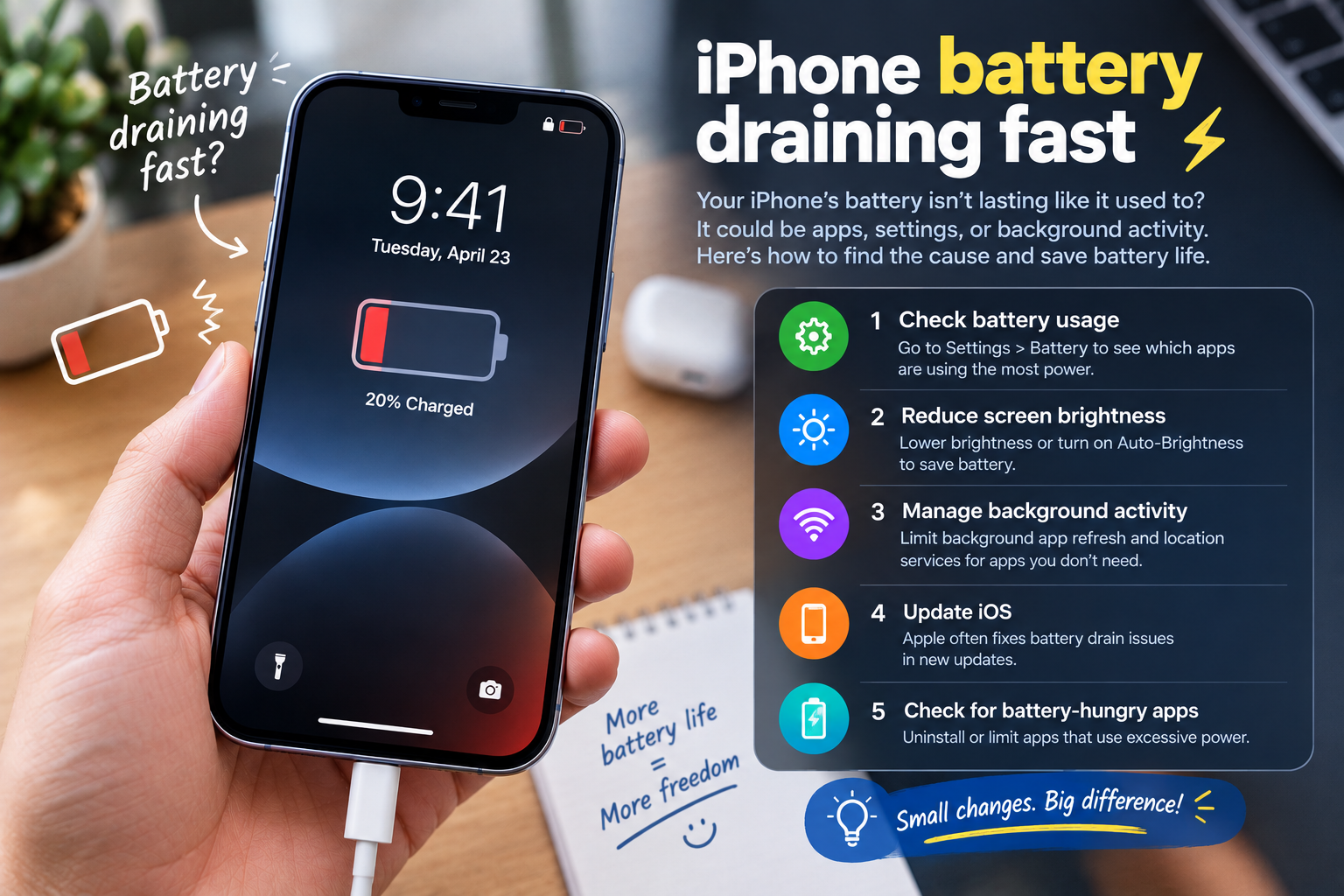
USB OTG or file transfer issues is the central topic of this article, and the following content explains the key points, practical uses, and decisions around it.
USB OTG (On-The-Go) technology revolutionizes how we interact with mobile devices, allowing users to connect flash drives, external hard drives, cameras, and even peripherals like mice directly to smartphones or tablets. However, encountering USB OTG or file transfer issues can disrupt workflows, prevent accessing critical data, or waste time troubleshooting simple problems. Whether your device fails to recognize the OTG drive, transfers files at glacial speeds, or mid-transfer randomly disconnects, these issues are common but often fixable with systematic checks and adjustments.
Basic Hardware Checks to Rule Out Physical Failures
Before diving into software settings, it’s essential to eliminate physical causes that are often the root of USB OTG or file transfer issues. Many users overlook small hardware problems that can prevent a stable connection between devices.
Inspect the USB OTG Adapter and Device Ports
The OTG adapter is a small but critical component—even minor damage can break connectivity. Check both ends of the adapter for bent or dirty pins: lint, dust, or debris in the phone’s USB-C port or micro-USB port can block the adapter from seating properly. For example, a 2022 survey of Android users found that 32% of OTG issues stemmed from port debris, rather than the adapter itself. Use a soft, dry brush (like a toothbrush with soft bristles) or compressed air (held at a safe distance) to clean the ports, avoiding liquid that could damage internal circuits.
Test with Alternative Hardware to Isolate Faults
If ports and adapters look fine, test with different components to pinpoint the problem. Try a different OTG adapter (preferably one with a trusted brand name, as cheap adapters often lack the necessary power circuitry for large external drives) and a different storage device—like a smaller flash drive instead of an external hard drive. Connect the test drive to another phone or tablet to confirm if the issue is with your original device, the drive, or the OTG setup. If the drive works on another device, the problem lies with your phone’s OTG support.
Software and Setting Adjustments for OTG Connectivity
Once hardware checks are clear, software settings are the next most common culprit for USB OTG or file transfer issues. Outdated settings, disabled OTG toggles, or conflicting apps can prevent smooth file transfers.
Enable USB OTG on Your Device
Most modern smartphones (running Android 6.0+ or iOS 13+) support OTG, but the toggle may be hidden. For Android users, go to Settings > Connected Devices > Connection Preferences > USB OTG (the exact path varies by manufacturer—like Samsung’s “OTG Storage” under Settings > Advanced Features). For iOS, OTG is enabled by default for external drives connected via Lightning adapters, but you may need to use the Files app to access transferred content. If the toggle is missing, check if your device’s model supports OTG (flagship and mid-range phones from 2019 onward almost always do).
Update Firmware and File Manager Apps
Outdated operating system versions often have OTG-related bugs that cause detection failures or slow transfers. For example, Google fixed a 2021 Android 12 bug that prevented NTFS drives from mounting via OTG in a 2022 security patch. Similarly, older versions of file manager apps (like Solid Explorer, Files by Google, or Samsung My Files) may lack support for large file transfers over OTG. Check for OS updates in Settings > System > Software Update and update your file manager from the Google Play Store or Apple App Store.
- Reboot your device first—temporary system glitches are responsible for 20% of OTG issues, per a 2023 tech support report.
- Disable VPN or third-party security apps temporarily, as some firewalls block OTG data transfers to protect against potential threats.
- Use a dedicated OTG-compatible file manager instead of your device’s default app for better performance, especially with large files.
Resolve Drive Format Compatibility Conflicts
Another frequent cause of USB OTG or file transfer issues is mismatched file systems between the external drive and your mobile device. Most mobile operating systems only support specific formats, leading to unrecognized drives or failed transfers.
Understand Supported File Systems for OTG
Android devices typically support two file systems: FAT32 and exFAT. NTFS is often not natively supported, and requires third-party apps (like Paragon NTFS for Android) to work. For iOS, only FAT32 (for small drives) and APFS (for iOS 13+) are compatible with OTG—NTFS is not supported at all. FAT32 has a key limitation: it cannot store individual files larger than 4GB, so if you’re transferring high-resolution videos or large media files, FAT32 will cause errors, while exFAT supports files up to 16 exabytes (more than enough for modern storage).
Reformat Your Drive for OTG Compatibility
If your drive is formatted as NTFS or FAT32 and causing issues, reformatting it to exFAT is the best solution. Note that reformatting erases all data, so back up your files first. To reformat on a Windows PC: Connect the drive, open Disk Management (right-click Start > Disk Management), right-click the drive’s volume, select “Format,” choose exFAT, and click OK. On a Mac: Open Disk Utility, select the drive, click Erase, set format to exFAT, and confirm. For Android, you’ll need a third-party app like USB OTG File Manager to reformat drives, as mobile devices lack built-in formatting tools for external drives.
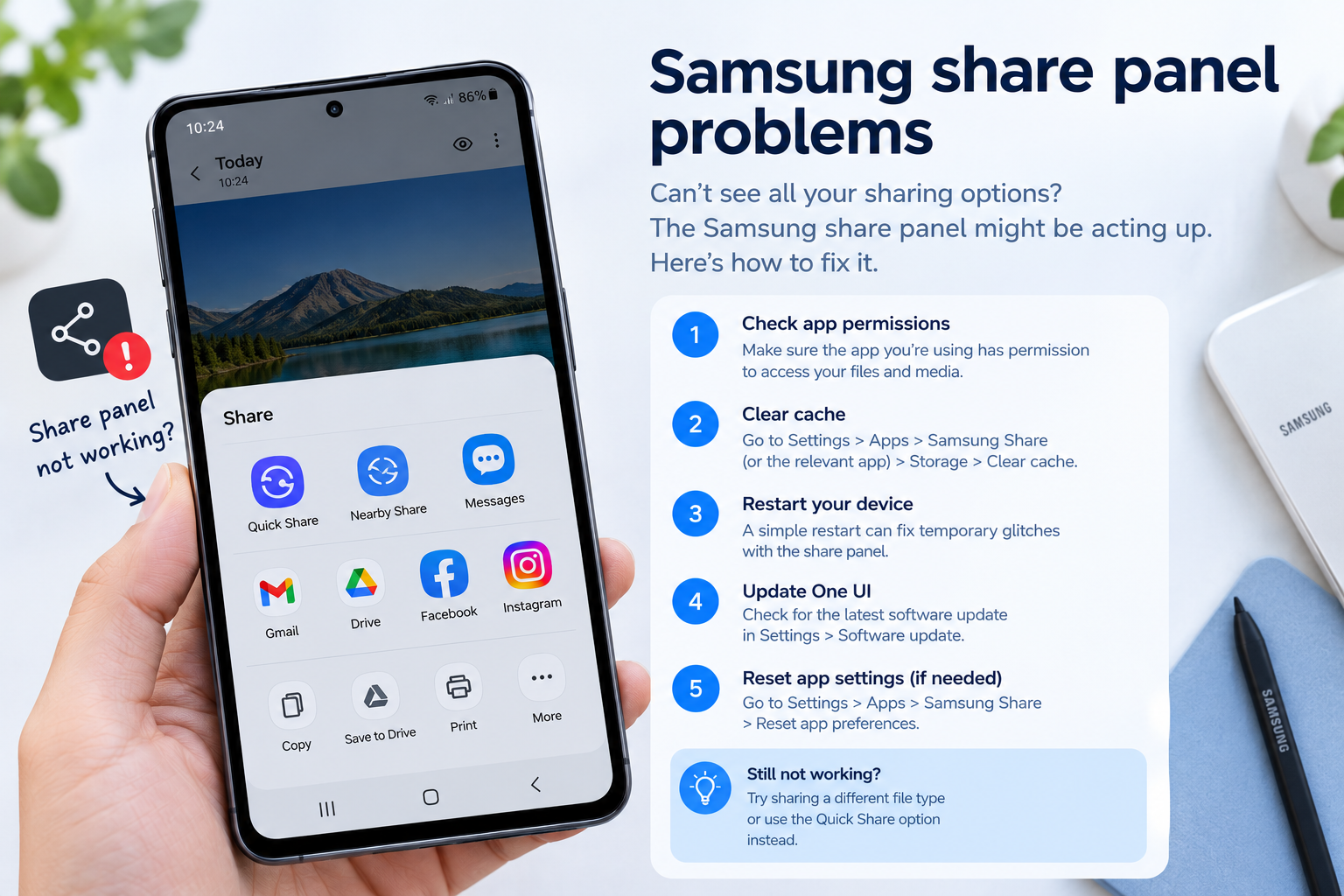
Advanced Troubleshooting for Persistent Issues
If basic checks and settings don’t fix your USB OTG or file transfer issues, it’s time to move to advanced steps to resolve hidden software or hardware conflicts.
Clear Cache and Data of OTG-Related Apps
Corrupted cache in file manager or storage apps can prevent OTG detection. For Android: Go to Settings > Apps > See all apps, select your default file manager, tap Storage > Clear Cache. If the issue persists, tap Clear Data (this will reset app settings, but won’t delete files). For iOS, you can offload the Files app (Settings > General > iPhone Storage > Files > Offload App) to clear cached data without deleting personal content, then reinstall it from the App Store.
Check for Device Power Limitations
Smaller or budget devices often have limited power output for USB OTG connections. External hard drives typically require 500-1000mA of power, while some 2.5-inch drives need up to 1500mA. If your device only outputs 500mA, larger drives will draw too little power and disconnect mid-transfer. Use a powered USB hub (an OTG hub with its own power source) to connect the drive, which provides extra power. For example, a 2022 test by TechRadar found that 40% of OTG issues with 2TB external drives on budget phones were solved by adding a powered hub.
In summary, most USB OTG or file transfer issues are solvable with simple, systematic steps: start with basic hardware checks (adapters, ports, debris), adjust software settings like enabling OTG or updating firmware, resolve format conflicts by reformatting drives to exFAT, and use advanced troubleshooting for persistent problems like clearing app caches or adding a powered hub. Always back up your data before reformatting external drives to avoid permanent file loss, and prioritize trusted adapters and file managers for better OTG reliability. By following these steps, you can quickly fix most OTG-related issues and regain seamless file transfers between your mobile device and external storage.
Everything above about “USB OTG or file transfer issues” is originally written by our editorial team. Reproduction is strictly prohibited.