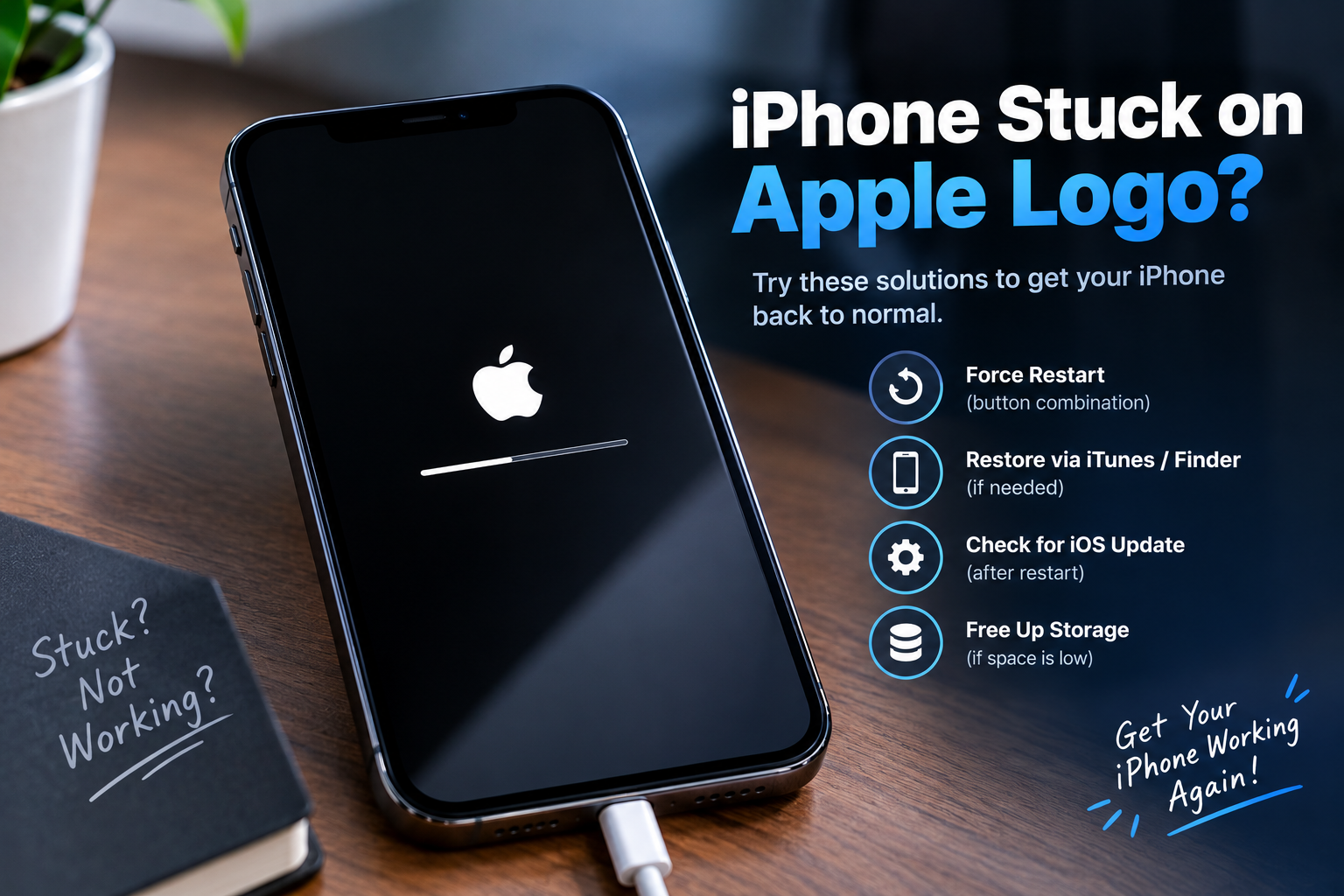
Xiaomi bootloop after HyperOS is the central topic of this article, and the following content explains the key points, practical uses, and decisions around it.
Updating Xiaomi devices to HyperOS is supposed to bring improved performance, new features, and a more unified interface across the entire Xiaomi ecosystem, but many users encounter the frustrating issue of a Xiaomi bootloop after HyperOS update, where the device gets stuck repeating the startup Xiaomi logo without ever reaching the home screen or functional system. This problem can stem from incomplete update downloads, corrupted system files, incompatible app patches, or even minor hardware conflicts, but there are several actionable fixes you can try at home without needing to send your device to a professional repair service. Whether you’re a tech-savvy user or a beginner, these steps range from simple quick fixes to advanced software solutions tailored to resolve bootloop issues specific to HyperOS updates.
Basic First Steps to Resolve a Xiaomi Bootloop After HyperOS Update
Many bootloop episodes after HyperOS updates are temporary and can be fixed with straightforward, non-destructive steps that don’t require wiping your personal data. The first and easiest method is a forced restart, which clears temporary system glitches that may have triggered the loop. For most Xiaomi models (including Redmi, POCO, and Mi series), press and hold the Power button for 10 to 15 seconds until the device vibrates and begins to restart automatically. If this doesn’t work, remove the SIM card and microSD card (if your device supports external storage) and try restarting again—faulty or corrupted external storage can sometimes interfere with the boot process right after a major update. Another critical basic check is battery level: ensure your device has at least 30% charge before attempting any restart or update-related fixes, as a low battery during or after an update can cause boot failures.
Advanced Software Fixes for Persistent Xiaomi Bootloops After HyperOS Update
If the basic steps don’t resolve the bootloop, the issue is likely due to corrupted system files or an incomplete HyperOS installation that requires more targeted repairs. These methods are slightly more involved but can fix the problem without fully erasing your data, making them ideal for users who want to keep their personal files intact.
Wipe Cache Partition via Xiaomi Recovery Mode
Wiping the cache partition removes temporary system files that may have become corrupted during the HyperOS update process, and this action does not delete any of your personal data, photos, or apps. To access Xiaomi’s Recovery Mode, power off your device completely, then press and hold the Volume Up button and Power button simultaneously until the Xiaomi logo appears on the screen. Use the volume buttons to navigate through the Recovery menu, and select "Wipe Cache Partition" (avoid other wipe options like "Wipe All Data" for now). Confirm the selection with the Power button, wait for the process to complete, then choose "Reboot System" to restart your device. According to Xiaomi’s official support forums, this fix resolves approximately 40% of persistent bootloop issues caused by HyperOS updates, as it eliminates temporary file conflicts that prevent the system from booting properly.
Flash HyperOS via Fastboot (Data-Preserving Method)
If wiping the cache partition fails, flashing the official HyperOS firmware via Fastboot can repair broken system components that are causing the bootloop. Unlike a full Fastboot flash that wipes all data, Xiaomi’s official Mi Flash Tool offers a "Keep user data" option that retains your personal files while fixing corrupted system patches. First, download the correct HyperOS firmware for your exact Xiaomi model and region from the official Xiaomi MIUI website—using an incorrect firmware can brick your device, so double-check the model number (found in Settings > About Phone) and build number. Next, enable Developer Options on your device by tapping "MIUI Version" 7 times in Settings > About Phone, then toggle on USB Debugging. Connect your device to a Windows or Mac PC with an original USB cable, open the Mi Flash Tool, load the downloaded firmware, select the "Keep user data" option, and start the flashing process. This method works for most devices with locked bootloaders (as long as they haven’t been permanently unlocked) and resolves bootloops caused by incompatible HyperOS update patches.
Full Data Wipe: Last Resort for Severe Xiaomi Bootloops
If all the above methods fail to fix the bootloop, a full data wipe is necessary for cases where the system corruption is too severe to repair. This step will erase all personal data, apps, settings, and accounts from your device, so it should only be used if you’ve backed up your data to a trusted source like Xiaomi Cloud, Google Drive, or an external SD card beforehand. Follow these steps carefully:
- Power off your device, then boot into Recovery Mode by holding the Volume Up and Power buttons simultaneously until the Xiaomi logo appears.
- Navigate to "Wipe Data" using the volume buttons, then select "Wipe All Data" and confirm with the Power button. This process may take 2 to 5 minutes depending on your device’s storage size.
- Once the wipe is complete, return to the main Recovery menu and select "Reboot System". Your device will now start the HyperOS setup process, and the bootloop should be fully resolved.
It’s important to note that this full data wipe does not affect files stored on your external SD card, so any media or documents saved there will remain accessible after the setup is finished. For users without a recent backup, this step is a necessary trade-off between restoring device functionality and losing personal data, and it’s often effective for bootloops caused by failed HyperOS updates.
Preventing Xiaomi Bootloops After HyperOS Updates
To avoid the frustration of a Xiaomi bootloop after HyperOS updates in the future, follow these proactive steps that reduce the risk of update-related issues. First, always download and install HyperOS updates through official channels: use the OTA (Over-The-Air) update feature in your device’s settings, or firmware files from the official Xiaomi website, rather than third-party ROMs or modded updates, which often have compatibility bugs that trigger bootloops. Second, ensure your device has at least 50% battery charge and a stable Wi-Fi connection before starting any system update—interruptions like a lost Wi-Fi signal or dead battery mid-update are among the most common causes of failed installations leading to bootloops. Third, back up your device’s data to multiple sources before every major system update, as this gives you a safety net if a bootloop occurs and you need to perform a data wipe. Finally, avoid installing incompatible apps immediately after a HyperOS update; wait 24 to 48 hours for the system to stabilize, then install apps one at a time to rule out app conflicts that could cause boot issues.
In summary, a Xiaomi bootloop after HyperOS update is a common but highly solvable issue that ranges from simple force restarts to advanced software repairs. Always start with the easiest non-destructive steps first, like a forced restart or removing external storage, before moving to targeted fixes like wiping the cache partition or data-preserving Fastboot flashes. Only use a full data wipe as a last resort when all other methods fail, and ensure you have a recent backup to minimize data loss. By following preventive measures such as using official updates, maintaining a stable connection during installation, and backing up data regularly, you can significantly reduce the chances of encountering this frustrating bootloop issue. Most importantly, you don’t need professional technical help to resolve this problem—with a little patience, any Xiaomi user can get their device back to normal functionality.
Everything above about “Xiaomi bootloop after HyperOS” is originally written by our editorial team. Reproduction is strictly prohibited.