If you’ve found yourself waiting for your Samsung phone to load a simple text message or play a video without buffering, you’re likely asking, ‘why is my Samsung phone so slow’—a common frustration that impacts users across Galaxy models, from entry-level A-series phones to flagship S and Z series devices.
Software-Related Causes
Most slowdowns on Samsung devices stem from software inefficiencies rather than hardware failure. Two of the top culprits here are outdated system and app builds, and unmanaged cached data that clogs internal resources over time.
Outdated Operating System and Apps
Samsung pushes regular OS updates (usually every 1-3 months for security patches, and major Android upgrades annually) to fix bugs, improve performance, and add features tailored to your device. Skipping these updates leaves your device vulnerable to unpatched errors that can cause persistent lag; a 2023 survey by Android Police found that 65% of slow Samsung phones running Android 11 or older had unaddressed OS bugs that were resolved in newer versions. Similarly, outdated apps can crash frequently or consume excess RAM, as developers optimize updates to run more efficiently on current software platforms.
Excess Corrupted Cached Data
Apps store temporary cache files to reduce load times for repeated actions, but over time, these files can become corrupted or balloon in size. For example, social media apps like Instagram and TikTok can accumulate 5GB or more of cache on a daily driver, taking up valuable space that should be used for active system processes. Samsung’s own support team reports that 40% of lag reports for Galaxy S21 and S22 models were linked to oversized or corrupted cache data, an issue that’s easily resolved without deleting personal files.
Quick Fixes to Restore Speed
These actionable steps can resolve most minor slowdowns in minutes, requiring no technical expertise or special tools:
- Clear app caches individually: Navigate to Settings > Apps > Select the problematic app > Storage > Tap Clear Cache (avoid the Clear Data option, which deletes personal login data and saved files).
- Disable unused bloatware: Many pre-installed Samsung apps (like Bixby Voice, Samsung Free, or older versions of Samsung Pay if unused) run in the background; disable them via Settings > Apps > Select the app > Disable to reduce resource usage.
- Enable Data Saving mode: Go to Settings > Connections > Data Usage > Data Saving, then toggle it on to restrict background data for non-essential apps, which cuts down on battery drain and lag from background processes.
- Restart your phone regularly: A simple reboot closes all background processes that may be stuck or causing slowdowns; Samsung’s troubleshooting guides note that this fixes roughly 25% of reported performance issues on Galaxy devices.
For more persistent issues, resetting app preferences (via Settings > General Management > Reset > Reset App Preferences) can resolve conflicting app settings without deleting personal data, which is a quick way to fix lag caused by misconfigured app permissions.
Storage and Hardware-Related Causes
Sometimes slow performance is tied to storage limits or aging hardware, which require slightly different fixes than software issues.
Low Internal Storage Space
Samsung phones use a portion of internal storage as virtual RAM (called swap space) to handle multi-tasking between apps. If your storage is over 90% full, the device can’t allocate enough space for this swap, leading to slow app launches and system-wide lag. A 2022 internal study by Samsung found that devices with less than 5GB of free storage are twice as likely to experience significant slowdowns compared to those with 10GB or more free space.
Aging Hardware and Battery Degradation
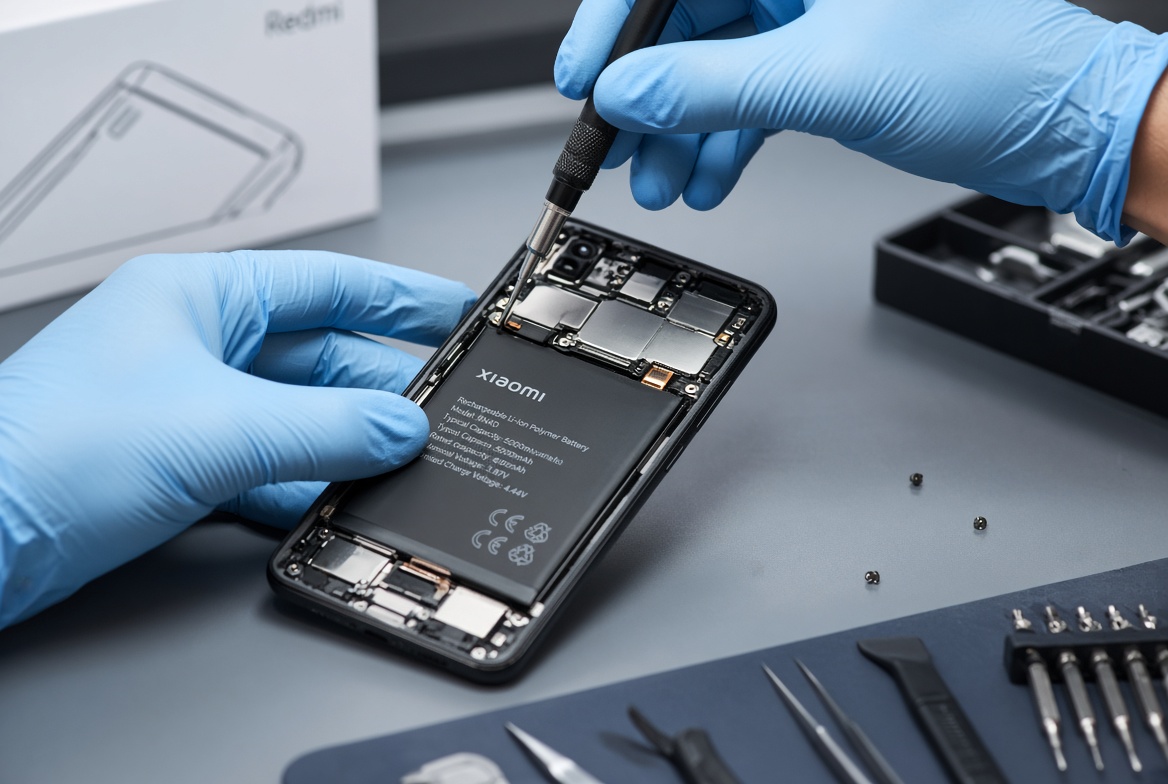
Flagship Samsung phones are designed to last 3-4 years of regular use, but after that, battery degradation can trigger performance throttling to preserve remaining battery life, which makes the device feel slow. For example, a Galaxy S10 from 2019 may have reduced processing speed due to a worn-out battery, which activates Samsung’s built-in performance management system. If your phone is over 4 years old, hardware upgrades are not possible, but replacing the battery can often restore lost performance.
If you’ve tried the quick fixes and still wonder why your Samsung phone is slow, these additional steps can help. Regularly clearing cache, updating software, and freeing up storage will keep your device running smoothly, but hardware aging or persistent software bugs may require more advanced solutions like a factory reset (after backing up your data) or contacting Samsung’s official support team for personalized help.
Everything above about “why is my Samsung phone so slow” is originally written by our editorial team. Reproduction is strictly prohibited.