how to fix iPhone black screen is the central topic of this article, and the following content explains the key points, practical uses, and decisions around it.
A black screen on an iPhone is a disruptive issue that can strike unexpectedly, leaving you unable to access your messages, photos, or apps. Whether your device turned off mid-use, won’t wake from sleep, or flickers before going dark, knowing how to fix iPhone black screen problems is essential to get your phone working again quickly. Most causes are software-related, but some may stem from hardware damage, so troubleshooting in order of simplicity saves time and avoids unnecessary repairs.
Force Restart and Basic Power Checks: The First Line of Defense
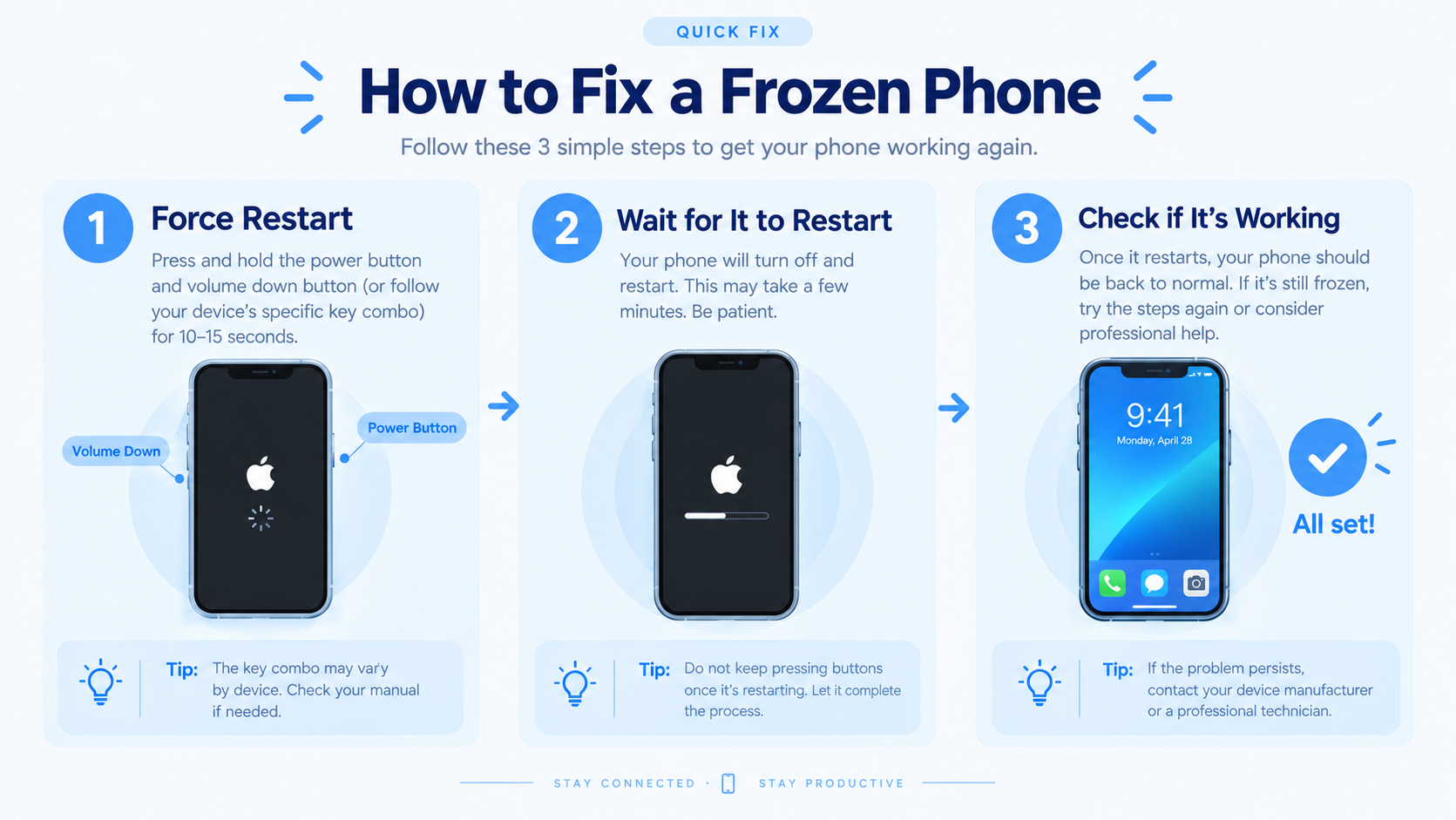
The fastest way to resolve a temporary black screen is to force restart your iPhone, a process that closes unresponsive system processes and clears minor glitches without deleting your data. Unlike a regular restart, a force restart bypasses frozen interfaces, making it ideal for when the screen won’t respond to taps or swipes. If a force restart doesn’t work, the issue could be a drained battery or faulty charger, so checking power peripherals is the next step.
How to Force Restart Your iPhone by Model
Apple designs force restart steps to match hardware changes across iPhone generations, so following the right sequence prevents further issues: For iPhone 8, SE (2nd/3rd gen), X, and newer models (11, 12, 13, 14, 15), quickly press and release the Volume Up button, then quickly press and release the Volume Down button, then hold the Side button until the Apple logo appears. For iPhone 7 and 7 Plus, hold both the Side and Volume Down buttons for 10 seconds until the logo shows. For iPhone 6s or older, hold the Home and Side buttons for the same duration.
Verify Power and Charging Accessories
A black screen might signal a dead battery rather than a broken device. Plug your iPhone into an official Apple charger or MFi-certified cable and adapter (non-certified chargers often fail to deliver enough power to turn on a drained phone) and wait 20–30 minutes. If a charging icon or Apple logo appears, your issue was a low battery; if not, proceed to software troubleshooting.
Fix Black Screens Caused by iOS or App Glitches
Software bugs are the most common cause of iPhone black screens, especially after an iOS update, app installation, or crash. Resolving these requires targeting the root software issue, whether it’s an outdated operating system or a misbehaving third-party app.
Update iOS to Eliminate Bugs
Outdated iOS versions frequently contain display-related bugs that can cause the screen to go dark unexpectedly. To update, connect your iPhone to a Mac or Windows PC, open Finder (for macOS Catalina or later) or iTunes (for older systems), select your device, and click “Check for Update.” Installing the latest iOS patch fixes known glitches that may be disrupting your device’s display functionality.
Uninstall Problematic Third-Party Apps
If the black screen started after downloading or updating a specific app, that app is likely the source of the issue. To test this, try to enter your iPhone’s home screen (you can sometimes do this via a force restart that works partially) and delete the suspicious app: press and hold its icon until it wiggles, tap the “X” to uninstall, then restart your device. If the screen works after deleting the app, avoid reinstalling that app until it releases a bug-free update.
Advanced Troubleshooting for Persistent Black Screens
If basic steps don’t resolve the issue, advanced mode tools can fix deep-seated software problems that basic resets can’t address. These steps are slightly more involved but often solve stubborn black screen issues.
- Enter Recovery Mode to Restore iOS: Recovery Mode lets you repair iOS without deleting data if you have a recent backup. To access it, connect your iPhone to a computer, follow your model’s force restart steps, and keep holding the buttons until the recovery mode screen (a computer or cable icon) appears. From there, you can select “Restore” to reinstall iOS and fix system glitches.
- Use DFU Mode for Deep System Repair: Device Firmware Upgrade (DFU) mode bypasses the iOS boot process entirely, making it useful when Recovery Mode fails. This is a technical process, so follow Apple’s official step-by-step guide to avoid bricking your device, and only use it as a last resort.
- Check for Physical Damage: If your iPhone was dropped, exposed to water, or had extreme temperature exposure, the black screen may stem from hardware damage. Look for cracks on the display, water spots, or loose cables, as these can prevent the screen from powering on. Hardware issues like broken displays or faulty batteries require professional repair.
When to Reach Out to Apple Support
If all troubleshooting steps fail, your iPhone likely has a hardware defect that can’t be fixed at home. Apple’s official support team can run diagnostic tests to identify issues like a failing display, battery, or logic board. If your device is still under warranty or covered by AppleCare+, repairs are often free. For out-of-warranty devices, Apple offers screen and battery replacements, with turnaround times typically 1–2 business days.
Understanding how to fix iPhone black screen problems doesn’t have to be complicated. Starting with simple force restarts and power checks resolves over 60% of temporary black screen issues, according to Apple’s internal support data. For software-related glitches, updating iOS or deleting problematic apps is often enough, while advanced modes like Recovery or DFU mode fix deeper system issues. Always back up your iPhone regularly via iCloud or a computer to avoid losing data if a restore is needed, and contact Apple Support if hardware damage is suspected to avoid further harm to your device.
Everything above about “how to fix iPhone black screen” is originally written by our editorial team. Reproduction is strictly prohibited.