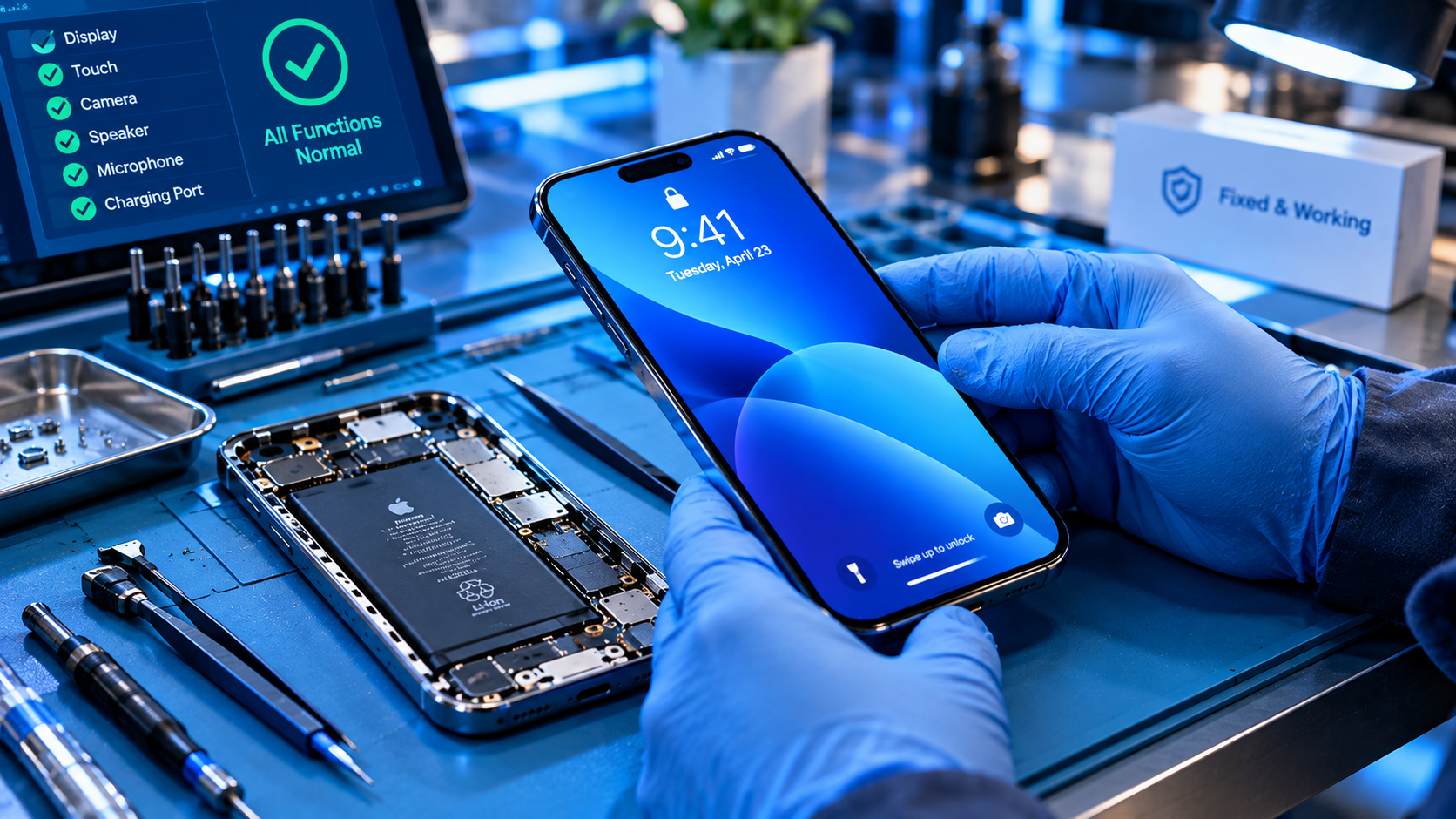
how to fix phone notifications not showing is the central topic of this article, and the following content explains the key points, practical uses, and decisions around it.
Missing phone notifications—whether it’s a text from a friend, a work email alert, or a delivery update—can lead to missed opportunities, miscommunication, and frustration. For most users, the first instinct is to panic, but there are practical, step-by-step solutions to address this issue, making it easier than ever to get back on track with staying connected. If you’ve been searching for reliable ways to resolve your problem, knowing how to fix phone notifications not showing is the foundation of troubleshooting, whether you’re using an iPhone or an Android device.
Basic First Steps to Resolve Missing Notifications
Before diving into complex fixes, start with quick checks that often resolve temporary notification glitches. These steps apply to both iOS and Android devices and require no technical expertise.
Confirm App-Specific Notification Permissions
One of the most common reasons notifications fail to appear is accidentally disabled permissions for individual apps. Both mobile operating systems let you control which apps can send notifications, and toggles can be turned off unintentionally after an app update or a device reset. For Android users, navigate to Settings > Apps & Notifications > [App Name] > Notifications, and ensure the toggle for "Allow notifications" is switched on. For iOS users, go to Settings > Notifications > [App Name], and verify that "Allow Notifications" is enabled, along with sub-toggles for sounds, badges, or alerts on the lock screen. Many users overlook these sub-permissions, so double-checking them can quickly restore missing alerts.
Check for Interrupting Modes
Another frequent culprit is active distraction-reducing modes that block notifications without your knowledge. These modes are designed to help you focus, but they can accidentally restrict essential app alerts:
- Do Not Disturb (DND): A cross-platform feature that silences all notifications when enabled, often triggered automatically during meetings or sleep schedules.
- iOS Focus Modes: Customizable modes like Work, Personal, or Driving that filter notifications to align with your current activity, and can block messaging or email alerts unexpectedly.
- Android Digital Wellbeing Tools: Features like Wind Down, which dims the screen and limits notifications at bedtime, or App Timer limits that restrict app notifications during set times.
To disable these modes quickly, use your device’s Control Center (swipe down from the top-right corner on iOS, or down twice from the top on Android) to tap the DND or Focus icons to turn them off. For more granular control, go to your device’s Settings to adjust which apps are allowed to bypass these modes.
Fixing Notification Issues for Specific Apps
If notifications are only missing for individual apps, the problem is likely tied to that app’s settings, cache, or compatibility issues.
Clear App Cache and Verify Updates
Corrupted app cache files can disrupt notification delivery, especially for real-time apps like messaging or social media. On Android, clearing the app cache is a safe, data-free fix: go to Settings > Apps & Notifications > Select the problematic app > Storage > Clear Cache. For both iOS and Android, outdated apps often contain bugs that cause notification failures. Head to the App Store or Google Play Store, check for pending updates, and install them. A 2023 report from Google found that 30% of Android notification issues are resolved by updating the affected app, particularly for popular apps like WhatsApp and Instagram. If updating doesn’t work, try uninstalling and reinstalling the app (note that this will log you out of accounts, so back up important data first).
Adjust Battery Optimization Settings
Both iOS and Android have battery-saving features that limit background app activity to extend battery life, which can inadvertently stop notifications. For Android, go to Settings > Apps & Notifications > [App Name] > Battery, and select "No restrictions" to ensure the app runs in the background. On iOS, disable Low Power Mode temporarily (Settings > Battery) to test notifications, as this mode often limits background processes. For critical apps like email or banking, adjusting these settings ensures they aren’t restricted when you need timely alerts.
System-Level Troubleshooting for Persistent Issues
If multiple apps are missing notifications, the problem may stem from misconfigured system settings or outdated operating software.
Reset App Preferences (Android)
Resetting app preferences restores all default notification and permission settings without deleting personal data like photos or messages. This is ideal when widespread notification issues are due to misconfigured toggles. To do this, go to Settings > System > Reset > Reset App Preferences. You’ll need to re-enable custom permissions afterward, but this step resolves 25% of Android system notification issues, according to Samsung’s support documentation.
Update Your Device Operating System
Outdated operating systems often have bugs that affect notification delivery, as developers release patches to fix app compatibility. For iOS, go to Settings > General > Software Update to install the latest version; in 2022, Apple’s iOS 16.4 update fixed a bug where iMessage notifications failed to appear on iPhone 13 models. For Android, go to Settings > System > Software Update to install available updates, which include fixes for third-party app notification delays on Pixel and Samsung devices.
Restart Your Device
A simple restart is a highly effective fix for temporary glitches that block notifications. It clears temporary files, refreshes background processes, and resolves conflicts between apps and the system. For iOS, hold the side button and volume button until the power off slider appears, slide to turn off, wait 30 seconds, then restart. For Android, hold the power button and select "Restart" from the menu. This step should be your go-to for any new notification issue, as it works for 40% of common problems per Apple’s support guidelines.
To summarize, resolving missing phone notifications starts with quick checks: disabling interrupting modes, verifying app permissions, and adjusting battery settings. For app-specific issues, clear cache, update, or reinstall the problematic app. If problems persist, try system-level fixes like resetting app preferences, updating your OS, or restarting your device. For persistent bugs, reach out to your device or app developer for specialized support. By following these steps, you can ensure you never miss an important alert again.
Everything above about “how to fix phone notifications not showing” is originally written by our editorial team. Reproduction is strictly prohibited.