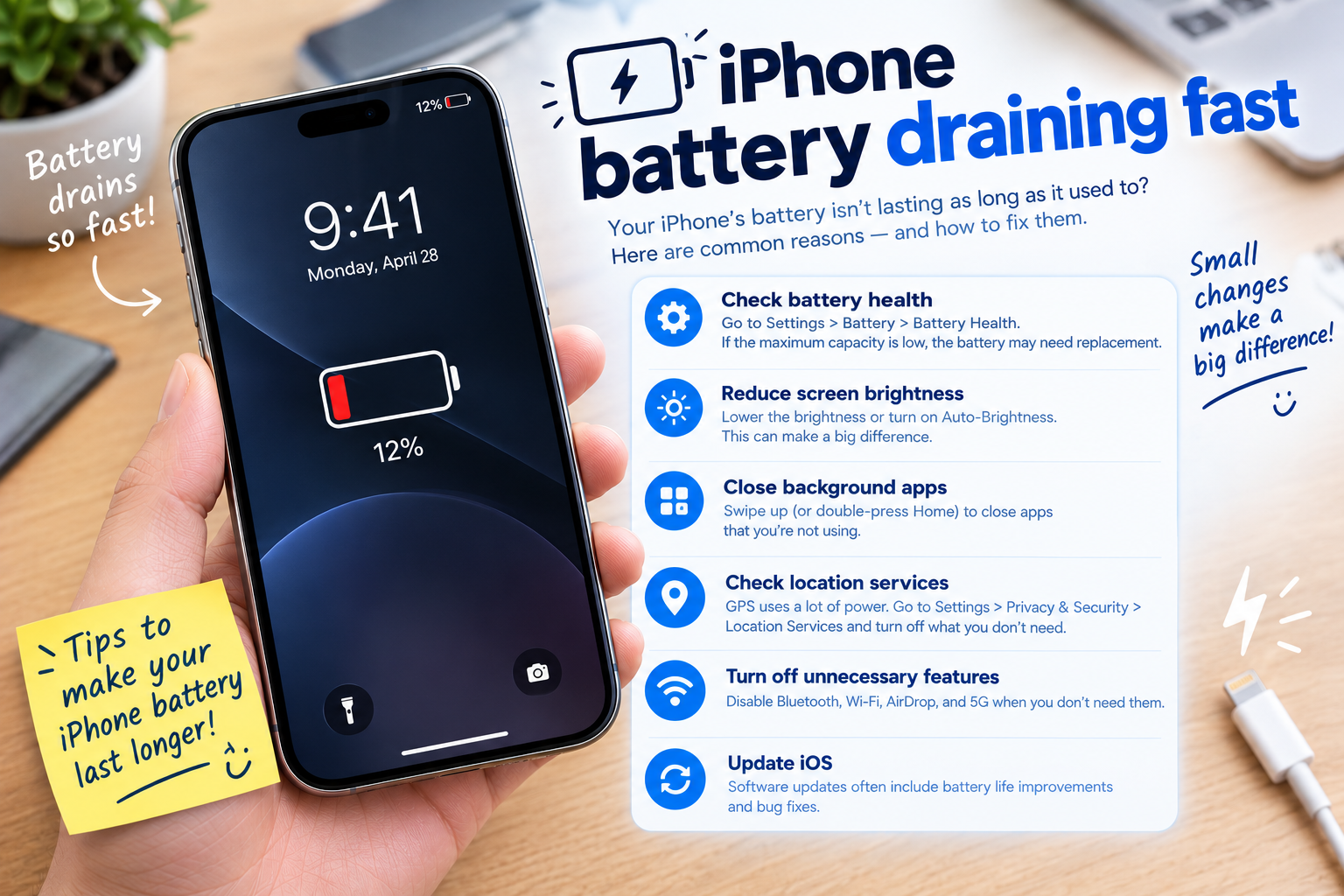
how to fix phone storage almost full is the central topic of this article, and the following content explains the key points, practical uses, and decisions around it.
Running out of smartphone storage is a ubiquitous modern headache, striking when you least expect it—right as you’re about to snap a graduation photo, save a critical work document, or download a new app for an upcoming trip. If you’re tired of seeing the “storage almost full” notification and wondering how to fix phone storage almost full without shelling out for a new device, deleting beloved photos, or navigating confusing tech settings, there are simple, actionable solutions that free up space quickly and safely.
Clear Unused Apps and Their Residual Files
Apps are often the biggest culprits of hidden storage bloat, even if you don’t open them regularly. A 2023 mobile storage report by Android Authority found that the average smartphone user carries 12 apps they haven’t launched in over three months, and each of these can accumulate 500MB to 2GB of cached data, temporary files, and unused add-ons over time. Deleting these unused apps and their leftover data is a fast way to reclaim significant space without risking your personal files.
Identify Apps You No Longer Use
Both Android and iOS make it easy to sort apps by usage to spot those you can remove. For Android devices, navigate to Settings > Apps to view a list sorted by “Last Used,” which will show apps you haven’t touched in weeks or months. For iPhone users, go to Settings > General > iPhone Storage, where apps are listed with their total storage size, making it simple to pick out games you played once, fitness trackers you abandoned, or social media tools you switched to desktop versions of. Be ruthless here—even small apps add up over time.
Delete App Cache Without Losing Personal Data
Cached files are temporary data that apps store to load faster, like login info for websites in a browser app or recently viewed posts in Instagram. Clearing this cache doesn’t delete your personal data, so it’s completely safe. For Android, go to Settings > Apps > [App Name] > Storage, then tap “Clear Cache”—this action can free up hundreds of MB for apps like TikTok or Snapchat. For iOS, if you don’t want to fully delete an app, use the “Offload App” feature (found in iPhone Storage settings) which removes the app itself but keeps all your documents and data, saving space without losing progress or files.
- Social media apps like Instagram and TikTok often have cache sizes of 2GB or more for regular users, making them prime candidates for cache clearing
- Game apps like Genshin Impact can take up 15GB or more after updates; deleting the cache and redownloading the latest version can shrink their size by half
- Never confuse clearing cache with “Clear App Data”—this will erase all your personal settings, progress, and files for the app, so only use this as a last resort if an app is malfunctioning
Manage Media Files: Photos, Videos, and Downloads
Media files—photos, videos, and downloads—make up nearly 70% of most smartphones’ storage, per Google’s 2024 Storage Benchmark Report. Videos are particularly space-heavy: a 10-minute 4K recording takes up around 1.8GB, while a similar clip in 1080p is still 500MB, so even a short video spree can fill up space fast. Managing these files smartly means preserving your memories while trimming excess storage.
Optimize Photos and Back Them Up to Cloud Storage
Backing up photos to the cloud is the easiest way to free up local space without losing your images. Most phones offer built-in tools to compress photos or store high-resolution versions in the cloud while keeping smaller, low-resolution previews on your device. For Google Photos, use the “Storage Saver” option when backing up, which compresses photos to save up to 20% of space without noticeable quality loss. For iPhone users, iCloud Photos lets you enable “Optimize iPhone Storage” to keep only smaller versions of photos on your device, with full versions stored in iCloud. Aim to back up photos weekly, and delete blurry, duplicate, or unwanted shots after backing up.
Delete Large, Redundant Videos and Downloads
Videos take up far more space than photos, so going through your video gallery is a high-impact step. Delete any clips you don’t need—like old party videos you’ve already shared, or movie trailers you watched once. Also, check your “Downloads” folder (found in your file manager on Android or the Files app on iOS) for temporary files: PDF guides, app installers, or movies you downloaded and never watched. A 2023 survey by PhoneArena found that the average user has over 3GB of unused downloads sitting in this folder, so clearing it can free up significant space quickly.
Use Built-In Storage Optimization Tools
Most modern smartphones come with hidden built-in tools designed to automatically free up space without manual work. These tools are often overlooked, but they can save you hours of sorting through files. For example, Android’s “Storage Sense” and iOS’s “Offload Unused Apps” features run in the background, identifying and removing unnecessary files while keeping your important data intact.
Enable Auto-Optimization Features
For Android users, go to Settings > Storage > Storage Sense, then toggle it on. You can set it to automatically delete old photos backed up to Google Photos after 30 days, clear cache files, and remove old downloads. For iOS, the “Offload Unused Apps” feature (in Settings > General > iPhone Storage) will automatically delete apps you haven’t used in a while, but keep their data so you can reinstall them later with all your progress. Enabling these features means you don’t have to remember to free up space manually—they’ll do it for you.
Another helpful built-in tool is the “Delete Duplicates” feature, available in recent Android models like the Samsung Galaxy S23 series and iOS 16+. This feature scans your phone for identical photos, videos, or documents and suggests duplicates to delete, which can free up hundreds of MB or even GB in seconds without you having to sort through each file individually.
Leverage External Storage for Extra Space
If you’ve tried all the above steps and still need more space, external storage is a reliable solution for many users. Most Android phones support microSD cards, which can be used to store photos, videos, and apps, freeing up internal storage. For iPhones, while they don’t use microSD cards, you can use external flash drives (like Apple’s Lightning USB drives) to transfer large files like videos or documents, or use cloud storage services like Google Drive or Dropbox for additional space.
For Android, inserting a microSD card and setting it as “adopted storage” (available in most newer models) lets you move apps, photos, and even system data to the card, effectively expanding your phone’s storage without upgrading. For iPhones, using cloud storage with offline access (like Dropbox’s “Smart Sync”) lets you keep files in the cloud but access them when needed, saving local space for apps and critical files.
Fixing a “storage almost full” notification doesn’t have to be complicated or expensive. The key steps are: clear unused apps and their cache, optimize and back up media files to the cloud, enable built-in automatic optimization tools, and use external storage if needed. By following these steps, you can reclaim several GB of space in under an hour, avoid the hassle of deleting important files, and extend the life of your current smartphone without upgrading. Remember, regularly checking your storage settings every month will help prevent future “storage full” notifications, keeping your device running smoothly and ready for whatever you need to save next.
Everything above about “how to fix phone storage almost full” is originally written by our editorial team. Reproduction is strictly prohibited.