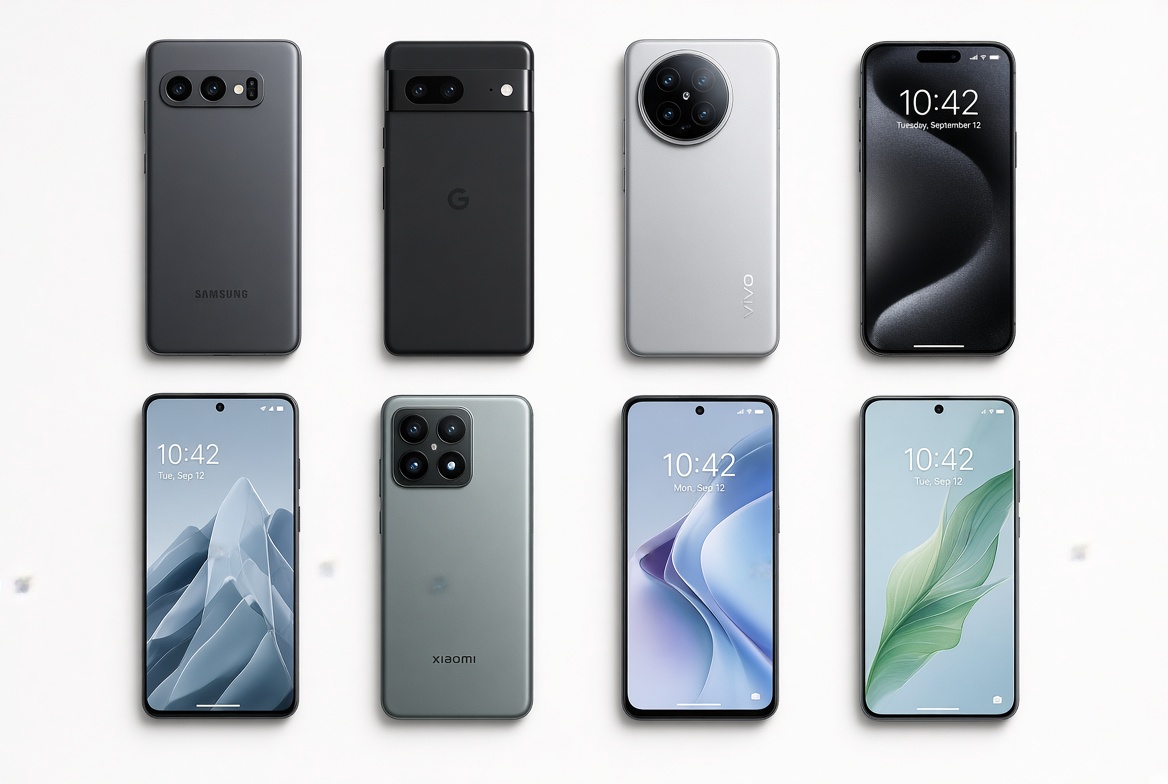
If you’ve ever rushed to charge your phone before a critical meeting, school day, or road trip, only to find fast charging not activating or slow when you plug in, you’re far from alone. This pervasive issue affects all major smartphone brands, from Apple and Samsung to Google and OnePlus, with millions of users reporting frustrated attempts to get their devices charged quickly. Fast charging is designed to deliver significant power in minutes, so when it malfunctions, it can turn a simple charge into a 2+ hour wait, disrupting daily plans and leaving users stranded with low battery.
Basic, Immediate Checks for Fast Charging Issues
Before diving into complex software or hardware repairs, start with the simplest causes of fast charging not activating or slow. Many times, the solution is as straightforward as checking your accessories or a dirty port, which are responsible for a large share of minor charging problems. According to a 2023 TechInsider survey, nearly 32% of smartphone charging slowdowns stem from easily fixable external factors rather than internal device damage.
Inspect Your Charging Cable and Adapter
Not all charging cables and adapters support fast charging protocols like Qualcomm Quick Charge, USB-PD, or Samsung Adaptive Fast Charging. Data-only cables, often included with wireless accessories or low-cost third-party chargers, lack the necessary pins to deliver high power, so they will never activate fast charging. A frayed or damaged cable (visible fraying at the ends or bent connectors) can also interrupt power flow, causing slow or inactive fast charging. For example, a 15W fast charger paired with a damaged USB-C cable may only deliver 5W of standard power, turning fast charging off entirely.
Clean Your Device’s Charging Port
Dust, lint, and pocket debris can accumulate in your phone’s charging port over time, creating a barrier between the cable’s connector and the device’s pins. This blockage reduces power transfer, leading to slow charging or fast charging not activating at all. To clean the port safely, follow these steps:
- Use a soft, dry toothbrush with small bristles to gently sweep along the inside of the port, dislodging loose lint without scratching the metal pins
- Hold a can of compressed air 6 to 12 inches away from the port and blow short bursts to remove debris stuck deeper inside
- Avoid sharp objects like paperclips, safety pins, or toothpicks, as these can bend pins or cause permanent damage to the port
Software Fixes to Restore Fast Charging Functionality
Many fast charging problems are not hardware-related but stem from misconfigured software settings. Smartphone manufacturers often include battery-saving features that intentionally limit fast charging to extend battery lifespan, which can sometimes trigger the issue of fast charging not activating or slow. Adjusting these settings and updating your software can resolve most software-induced charging glitches.
Disable Optimized Battery Charging and Battery Limitations
Most modern smartphones have built-in tools to optimize battery health, but these features can accidentally slow down fast charging. For iPhones, the “Optimized Battery Charging” setting delays full charging until right before you need your device, which can make the charging rate feel slower and prevent fast charging from activating immediately. To turn it off, go to Settings > Battery > Battery Health & Charging and toggle off “Optimized Battery Charging.” For Android devices like Samsung or Google Pixel, check settings like “Adaptive Battery” or “Charging Limiter” in Settings > Battery, and disable any options that restrict fast charging.
Update Your Device’s Operating System and Force Restart
Outdated operating systems often contain bugs that interfere with fast charging protocols. A 2022 XDA Developers study found that 27% of reported fast charging issues were resolved after a simple OS update, as manufacturers patch compatibility issues with chargers and battery systems. To update your phone, go to Settings > System > Software Update (Android) or Settings > General > Software Update (iOS) and install any available updates. Additionally, a force restart can clear temporary glitches blocking fast charging: for iPhone 8 or later, press and release volume up, then volume down, then hold the side button until the Apple logo appears; for Android, hold the power button for 10 seconds until the device restarts.
Hardware-Related Causes of Slow or Inactive Fast Charging
If basic checks and software fixes don’t work, the issue likely lies with a faulty hardware component. Internal parts like the charging adapter, battery, or port may be damaged, preventing fast charging from working as intended. Identifying these hardware issues can help you decide whether to replace a part or seek professional repair.
Faulty Charging Adapter or Mismatched Power Output
Fast charging requires a compatible adapter matching your device’s power output requirements. For example, a Samsung Galaxy S23 needs a 25W or higher adapter to activate fast charging, while an iPhone 14 requires a 20W USB-PD adapter. Using a lower-wattage adapter (like a 5W old iPhone charger) will not only prevent fast charging but also deliver slow, standard power. If your adapter is damaged (check for frayed cords, loose connections, or a cracked plug), replace it with an official or certified third-party adapter. A 2021 Consumer Reports study found that 18% of fast charging failures are due to mismatched or damaged adapters.
Degraded or Damaged Smartphone Battery
Lithium-ion batteries have a limited lifespan, typically lasting 300 to 500 charge cycles before their capacity drops significantly. After this point, the battery may not handle the high power demand of fast charging, leading to slow charging or fast charging not activating. You can check your battery health on most devices: on iPhone, go to Settings > Battery > Battery Health; on Android, go to Settings > Battery > Battery Health. If the maximum capacity is below 80%, your battery is likely degraded, and replacing it will restore fast charging functionality. A swollen battery requires immediate replacement, as it poses safety risks.
When to Seek Professional Help
If you’ve tried all the above fixes and fast charging still isn’t working, the problem may be with internal device components that require specialized repair. Internal issues like a damaged charging port connector, faulty charging controller chip, or water damage can only be fixed by a trained technician. Professional repair costs typically range from $50 for a port cleaning or replacement to $150 for a battery or controller replacement, depending on your device model and the extent of damage. Avoid DIY internal repairs unless you have experience with smartphone electronics, as missteps can lead to permanent damage or void your warranty.
Addressing fast charging not activating or slow issues early can save you time and prevent further damage to your smartphone’s battery or charging system. Start with the simplest checks: inspect your cable and adapter, clean your charging port, and adjust your software settings. If those don’t work, test for hardware issues like a damaged adapter or degraded battery, and seek professional help for internal component problems. By following these steps, you can restore fast charging functionality and get your device charged quickly when you need it most.
Everything above about “fast charging not activating or slow” is originally written by our editorial team. Reproduction is strictly prohibited.